Rome with Our Child: 40 Sights and 19 Food Stops over 5 Nights
Every place we visited in five nights in Rome with our child, from the Colosseum to Villa Borghese: routes by area, food, gelato and a map.
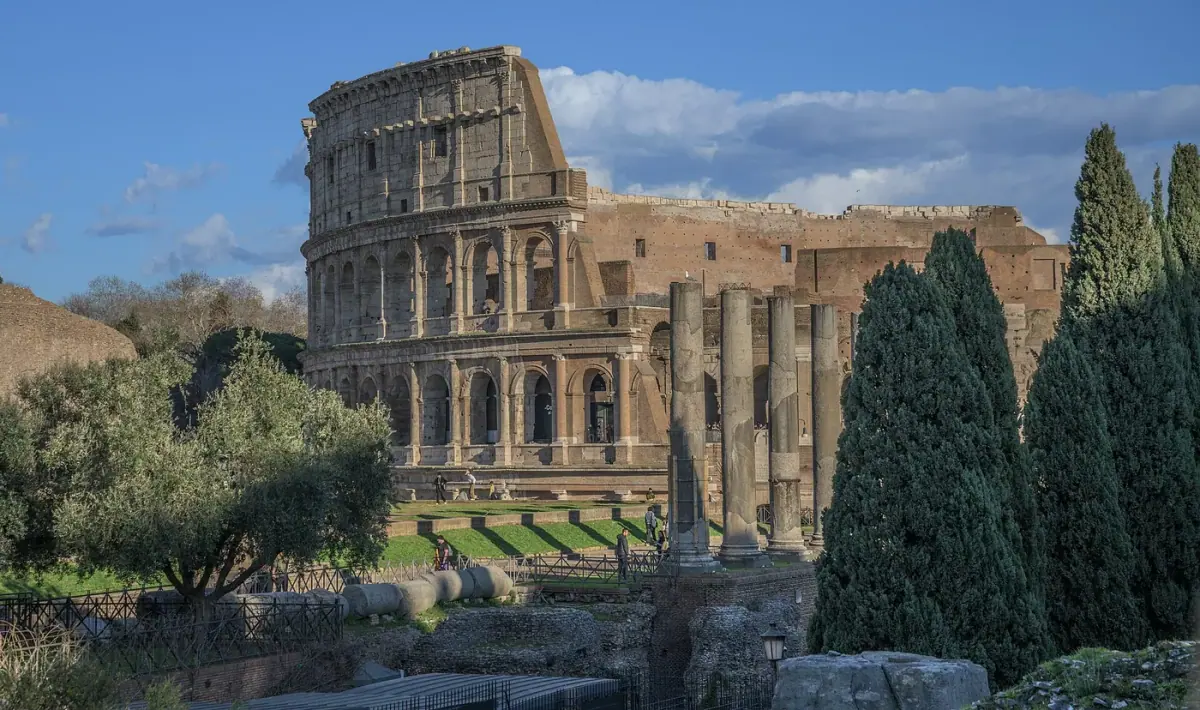
We stayed in Rome for five nights and explored almost every corner of the city. In this guide, I describe each of the 40 sights and 19 food, dessert and gelato stops marked on our map. The map is at the end; save it on your phone to use as you explore.
I have grouped the places by area. Distances in Rome may look short, but you end up walking a lot by the end of the day; visiting places in the same area on the same day makes a real difference with a small child.
At a glance:
- To explore Rome comfortably in five days, devote each day to an area: Ancient Rome, the Historic Centre, the Vatican, Villa Borghese and its surroundings, and Trastevere.
- The Colosseum, Roman Forum and Palatine Hill are demanding with children: the sites are extensive, lack shade and involve plenty of walking. Keep visits short or go early in the morning.
- The most enjoyable breaks for children: Villa Borghese park, the cats at Largo Argentina and, of course, gelato.


Before you go: key notes
How many days should you spend in Rome?
You need at least 3–4 days to see the Colosseum, the Vatican and the historic centre without rushing. We stayed for five nights; assigning one area to each day gave us a comfortable pace with our child.
Is Rome suitable for children?
Absolutely. Parks such as Villa Borghese, gelato breaks, the cats at Largo Argentina and the tradition of tossing a coin into Trevi are moments children particularly enjoy. Keep visits to ancient sites short and go early in the morning.
Can you use a stroller in Rome?
Yes; we used a stroller throughout and put our bags on it too. Cobbled streets can be bumpy, but all the main routes are accessible.
Should you book the Colosseum and the Vatican in advance?
Yes. Both use timed tickets and fill up days ahead, particularly in summer. Booking ahead through the official websites avoids waiting in the ticket queue.
How do you get from Rome to Florence?
High-speed trains from Termini station take about 1.5 hours. We also travelled by train from Rome to Florence and then on to Venice.
Suggested itinerary
| Day | Area | Highlights |
|---|---|---|
| Day 1 | Ancient Rome | Colosseum, Roman Forum, Capitoline Hill, Piazza Venezia |
| Day 2 | Historic Centre | Pantheon, Piazza Navona, Trevi Fountain, Campo de’ Fiori |
| Day 3 | Vatican | St Peter’s Basilica and Square, Vatican Museums, Castel Sant’Angelo |
| Day 4 | Northern Rome | Spanish Steps, Piazza del Popolo, Pincio Terrace, Villa Borghese |
| Day 5 | Trastevere and surroundings | Trastevere streets, Janiculum Hill, Tiber Island |
Tickets and tours: Timed tickets for popular attractions such as the Colosseum and the Vatican Museums can sell out in advance. Browse Rome tickets and tours on Tiqets to compare skip-the-line admission and guided tours.
Getting to Rome and around the city
- From Fiumicino Airport to the city: The most practical option is the train. The Leonardo Express runs directly to Termini station; the FL1 suburban train serves stops including Trastevere and Ostiense.
- Termini station: The city’s main railway station. High-speed trains to Florence and Venice also depart from here.
- Metro: There are three lines, but the metro does not reach much of the historic centre. Walking is the easiest way to explore the Pantheon, Navona and Trevi area.
- Walking: If you group the areas sensibly, you will spend most of the day on foot. That is why we have organised the route below by area.
Where to stay in Rome with children
When travelling with a child, the location of your accommodation determines how often you ask, “Shall we head back now?” Being able to return for a nap or a short rest is a great convenience. Here is how we would summarise the areas for families:
| Area | Who it suits | Things to consider |
|---|---|---|
| Historic Centre (Pantheon, Navona, Trevi) | Those who want to walk everywhere | The most expensive area; no metro, busy in the evenings |
| Monti | Those seeking a quieter neighbourhood within walking distance of the Colosseum | Some streets are hilly |
| Around Termini | Those using the airport train and intercity services | The immediate station surroundings are not particularly pleasant at night; choose somewhere a few streets away |
| Prati (near the Vatican) | Those seeking quiet, orderly streets and metro access | A fairly long walk to the historic centre |
| Trastevere | Those who enjoy an atmospheric dinner setting | No metro; lively late into the night, which may be noisy for children who sleep early |
Our criteria:
- Access to trains: If you are continuing from Rome to Florence by train, staying somewhere with easy access to Termini makes moving with luggage and a stroller much easier.
- Lift: Older buildings in Rome may have no lift or a very small one. Ask whether your stroller fits without folding before booking.
- Family room or apartment: A standard room can feel cramped for three people. Apartments with a separate bed, kitchenette or fridge are much more comfortable with a child.
- Air conditioning: Essential in summer.
Contents
- Before you go: key notes
- Ancient Rome
- Historic Centre
- Vatican
- Northern Rome and Villa Borghese
- Trastevere and surroundings
- Monti, Esquilino and Lateran
- Food and drink stops
- Sources and visitor information
Ancient Rome
Colosseum
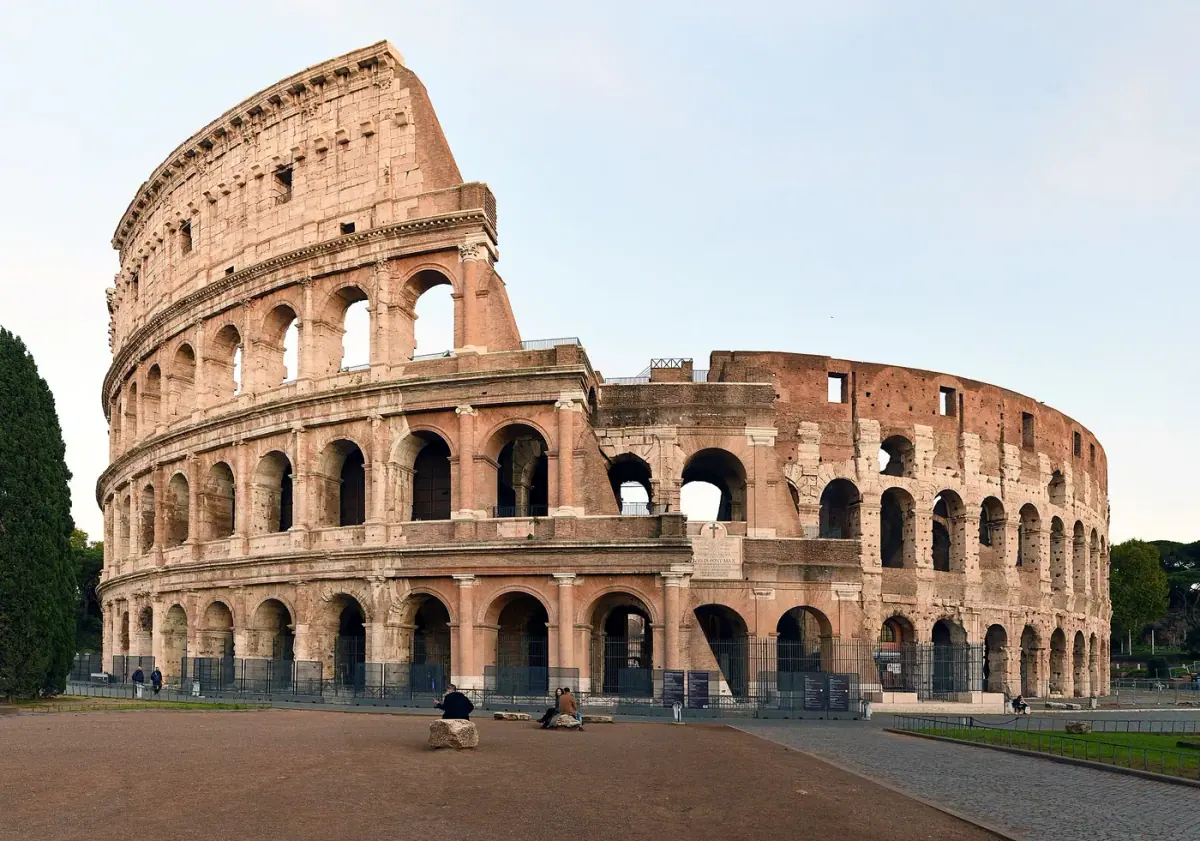

Rome’s landmark. Admission is paid and tickets must be booked ahead. Our note: demanding with children. The site is large, with many stairs and little shade. With a small child, keep the visit short and choose an early morning slot.
Why go? Built around 2,000 years ago to accommodate nearly 50,000 spectators, this arena is a striking expression of the Roman Empire’s power. Looking down into the gladiators’ passageways beneath the arena suddenly makes history from books tangible.
Visit summary
- Area: Ancient Rome
- Highlight: Ancient Rome’s enormous amphitheatre
- Suggested visit length: About 1–1.5 hours
- Type of visit: Indoors / outdoors
- Admission: Paid admission · about €18 per adult (includes the Roman Forum and Palatine, valid for 24 hours). Under-18s enter free, but still need a timed reservation.
- Open map: Search for this place on Google Maps
Roman Forum
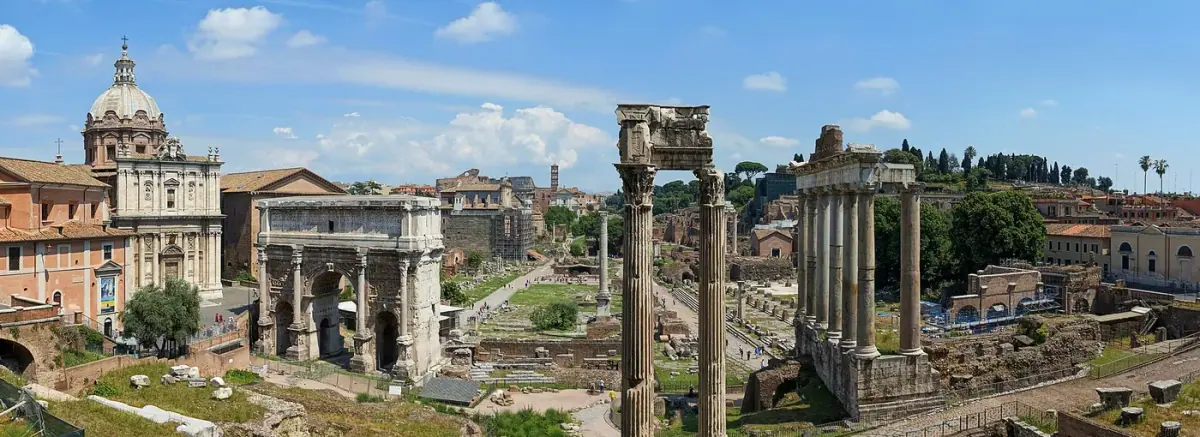

The remains of temples and squares at the heart of Ancient Rome. Included in the Colosseum ticket. Demanding with children: the ground is rocky and the site covers a large area.
Why go? With its Senate house, triumphal arches and temples, this was the centre of daily life, politics and trade in Ancient Rome. Even passing the spot where Julius Caesar was cremated as you walk among the ruins is an experience in itself.
Visit summary
- Area: Ancient Rome
- Highlight: Temple and square remains of the ancient city
- Suggested visit length: About 1–1.5 hours
- Type of visit: Outdoors / walk among ruins
- Admission: Included in the Colosseum ticket.
- Open map: Search for this place on Google Maps
Palatine Hill
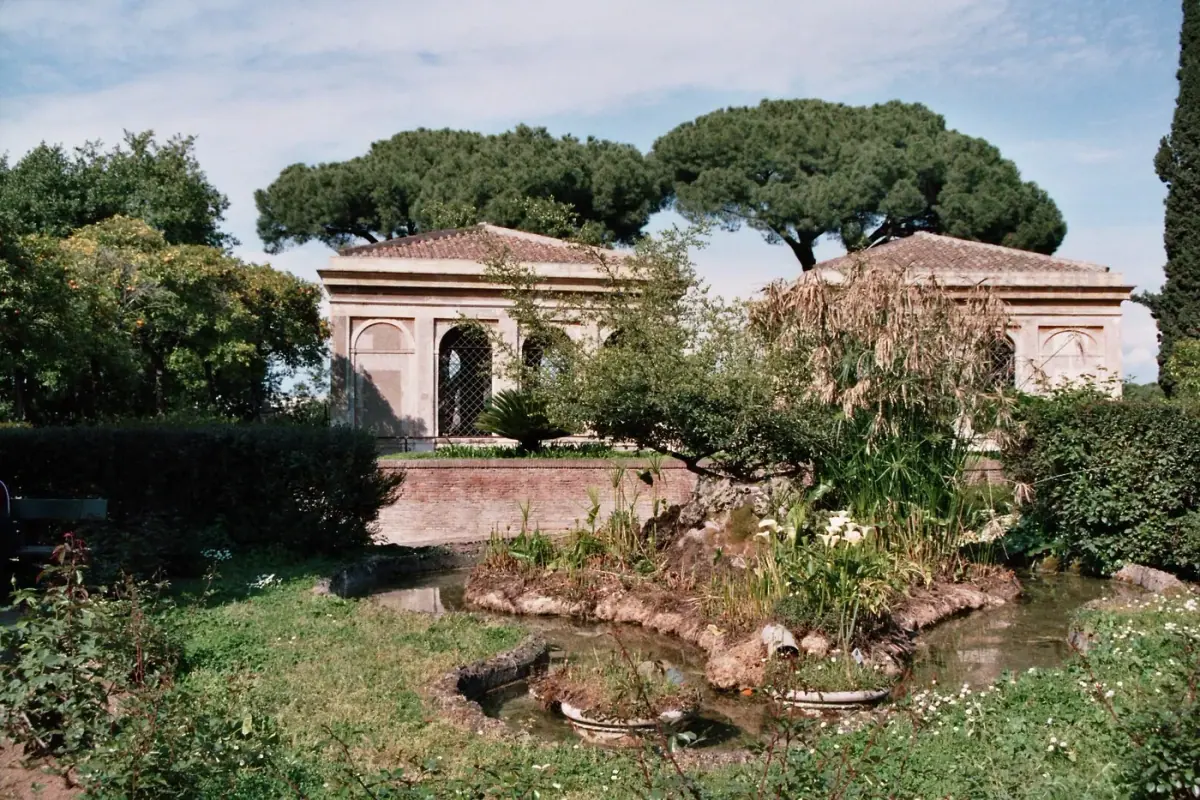

Known as the hill where Rome was founded, it holds the remains of imperial palaces. Also included in the Colosseum ticket. Demanding with children, but the views over the Forum are beautiful.
Why go? Legend places Romulus’s founding of Rome on this hill; it is no coincidence that emperors built their palaces here. Seeing the Forum on one side and Circus Maximus on the other helps you understand the ancient city’s layout at a glance.
Visit summary
- Area: Ancient Rome
- Highlight: Rome’s founding hill and palace ruins
- Suggested visit length: About 45–60 minutes
- Type of visit: Outdoors / walk among ruins
- Admission: Included in the Colosseum ticket.
- Open map: Search for this place on Google Maps
Capitoline Hill (Campidoglio)
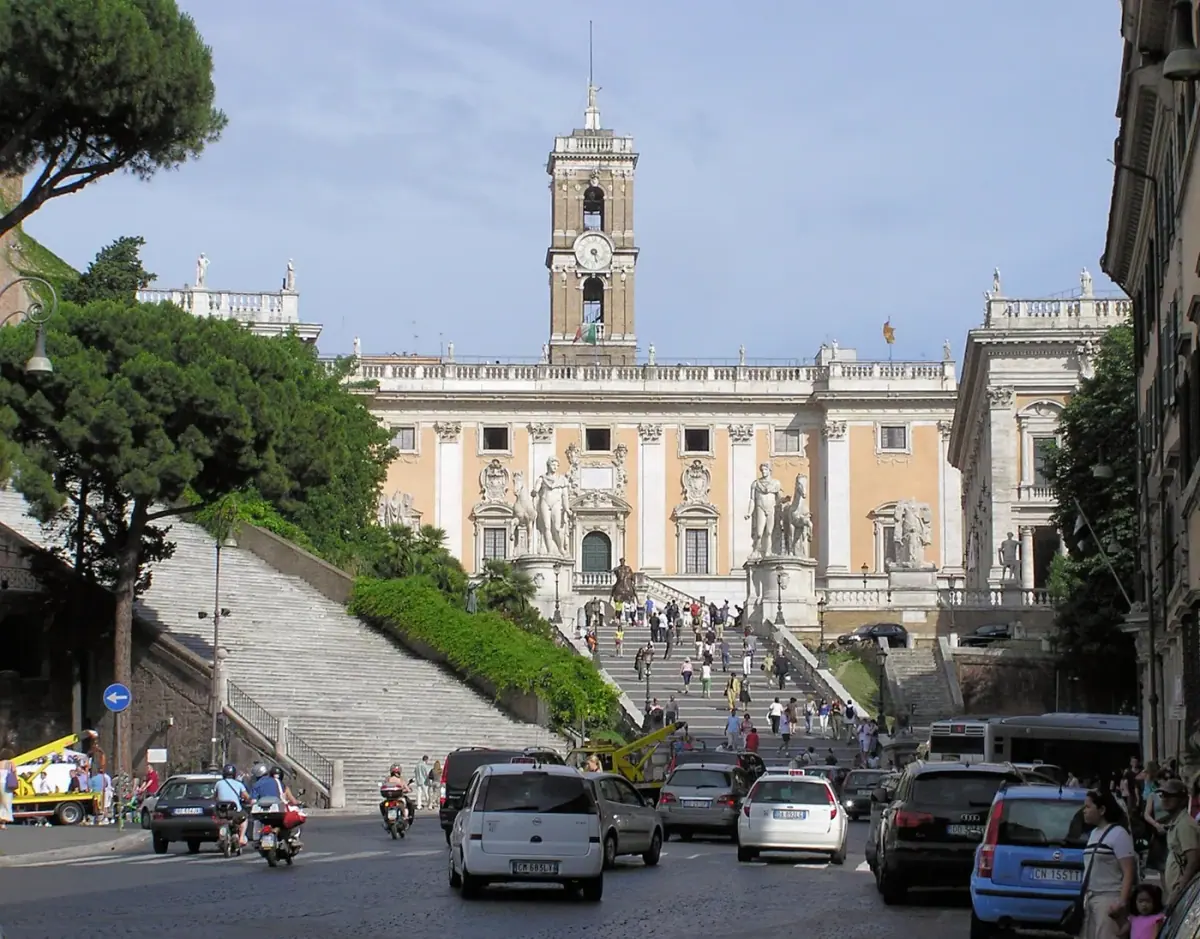

Home to Michelangelo’s square and the Capitoline Museums. Behind the square is a viewpoint where you can look down over the Roman Forum for free.
Why go? Michelangelo’s star-patterned square is a masterpiece of Renaissance urban design. The terrace behind the town hall offers a free, uncrowded view over the entire Forum, one of Rome’s best-kept panoramic secrets.
Visit summary
- Area: Ancient Rome
- Highlight: Michelangelo’s square and Forum views
- Suggested visit length: About 30–45 minutes (2 hours with the museum)
- Type of visit: Outdoors / museum
- Admission: The square is free; the Capitoline Museums charge admission.
- Open map: Search for this place on Google Maps
Piazza Venezia
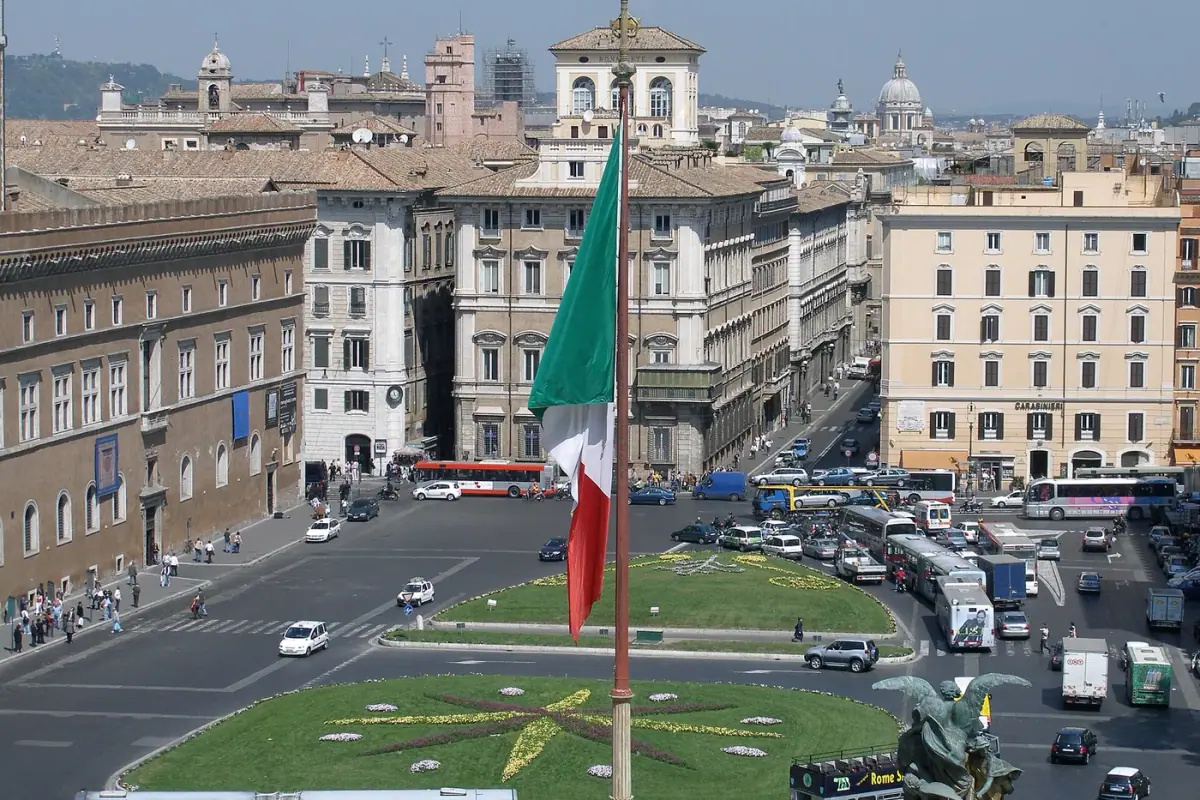

One of the city’s largest squares and a transport crossroads. You will pass through here repeatedly while exploring Rome.
Why go? All of Rome’s roads seem to pass here, where the ancient city meets the modern one. It is a useful orientation point for seeing the imposing monument, the start of Via del Corso and the road down to the Forum at once.
Visit summary
- Area: Ancient Rome
- Highlight: Large square in the city centre
- Suggested visit length: About 15 minutes
- Type of visit: Outdoor walk
- Admission: Free (outdoors)
- Open map: Search for this place on Google Maps
Vittorio Emanuele II Monument
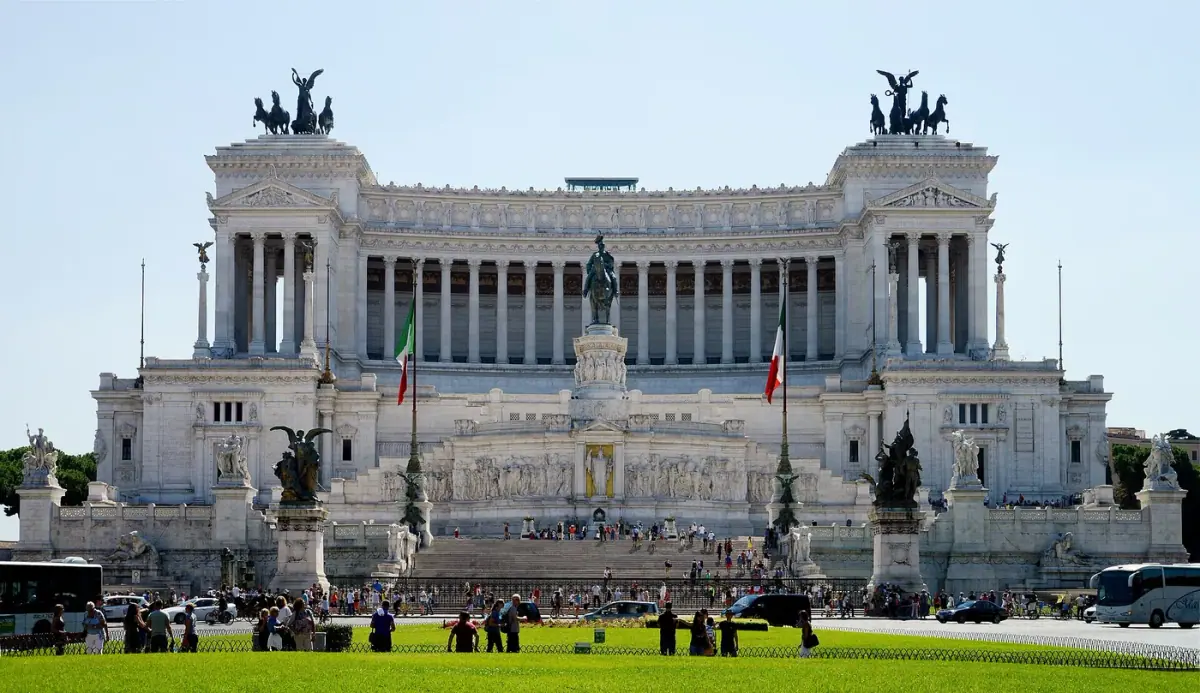

An enormous white marble monument overlooking Piazza Venezia. Romans call it the “typewriter” because of its shape. You can enjoy city views from its steps.
Why go? This huge white monument symbolising Italian unification is visible across the city. Its terraces offer one of Rome’s widest panoramas, stretching from the Colosseum to the Vatican.
Visit summary
- Area: Ancient Rome
- Highlight: White marble monument and panoramic terrace
- Suggested visit length: About 30–45 minutes
- Type of visit: Exterior view / terrace visit
- Admission: The monument’s steps are free; the lift to the highest panoramic terrace charges admission.
- Open map: Search for this place on Google Maps
San Pietro in Vincoli
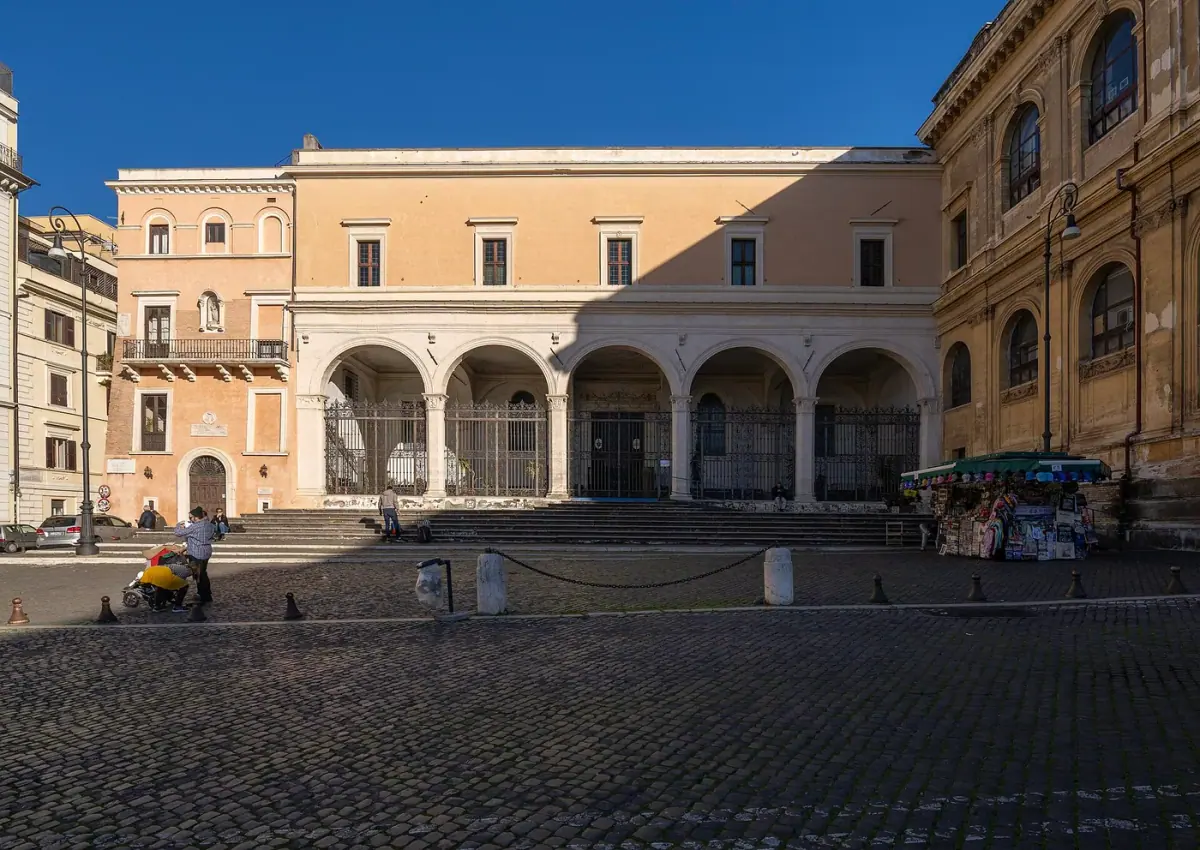

A church hiding a great treasure behind a simple exterior: Michelangelo’s famous Moses statue. Close to the Colosseum and ideal for a short stop.
Why go? This ordinary-looking church houses one of Michelangelo’s most impressive sculptures, the horned Moses. Chains believed to have bound St Peter are also displayed here; it is a way to see a major artwork in minutes, away from crowded museums.
Visit summary
- Area: Ancient Rome
- Highlight: Michelangelo’s Moses statue
- Suggested visit length: About 15–20 minutes
- Type of visit: Indoors
- Admission: Free
- Open map: Search for this place on Google Maps
Portico of Octavia
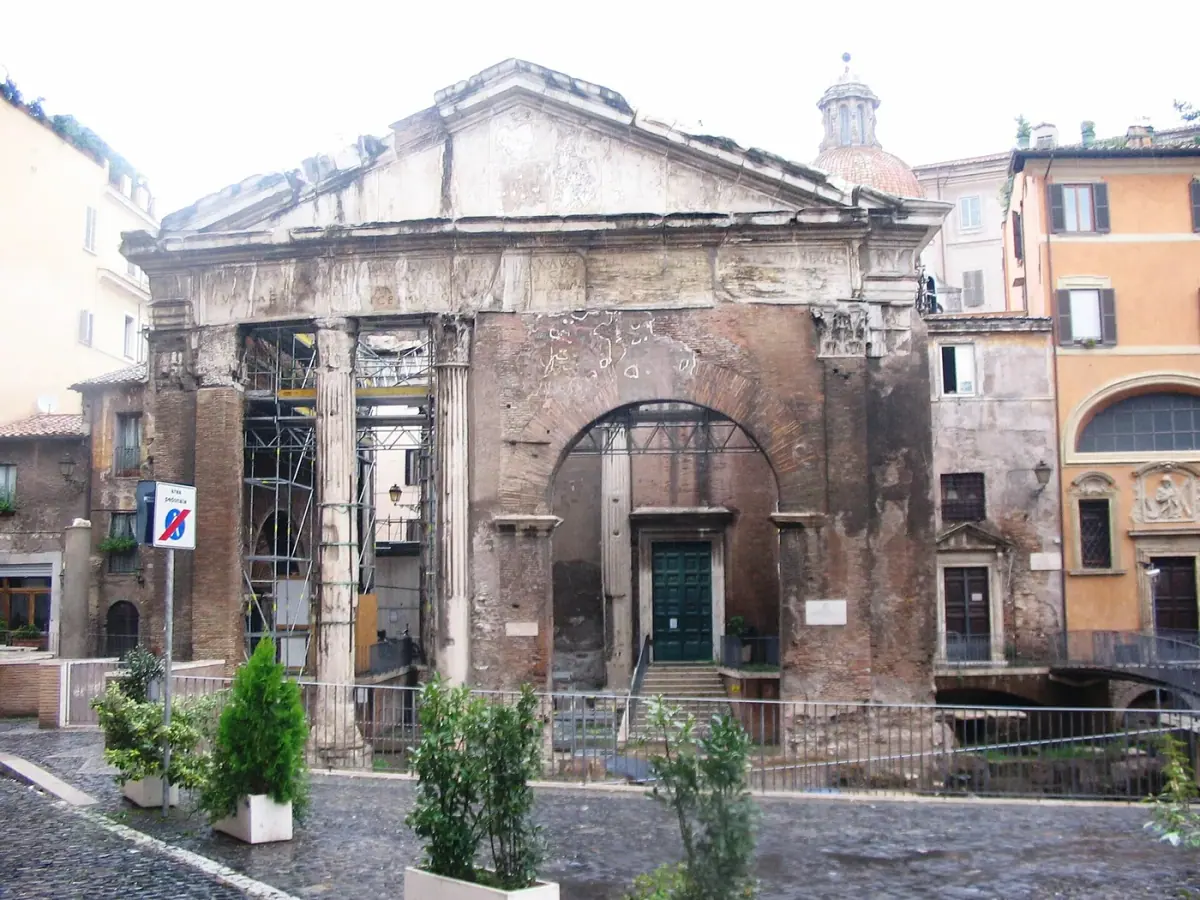

An ancient gateway dating from the time of Augustus. The neighbouring streets of the old Jewish quarter are also worth exploring.
Why go? Built in honour of Augustus’s sister, this ancient gateway stands at the entrance to Rome’s oldest living Jewish quarter. It is a corner away from tourist crowds where ancient columns meet streets scented with fried artichokes.
Visit summary
- Area: Ancient Rome
- Highlight: Augustan gateway and old Jewish quarter
- Suggested visit length: About 20–30 minutes
- Type of visit: Outdoor walk
- Admission: Free (outdoors)
- Open map: Search for this place on Google Maps
Largo Argentina Cat Sanctuary
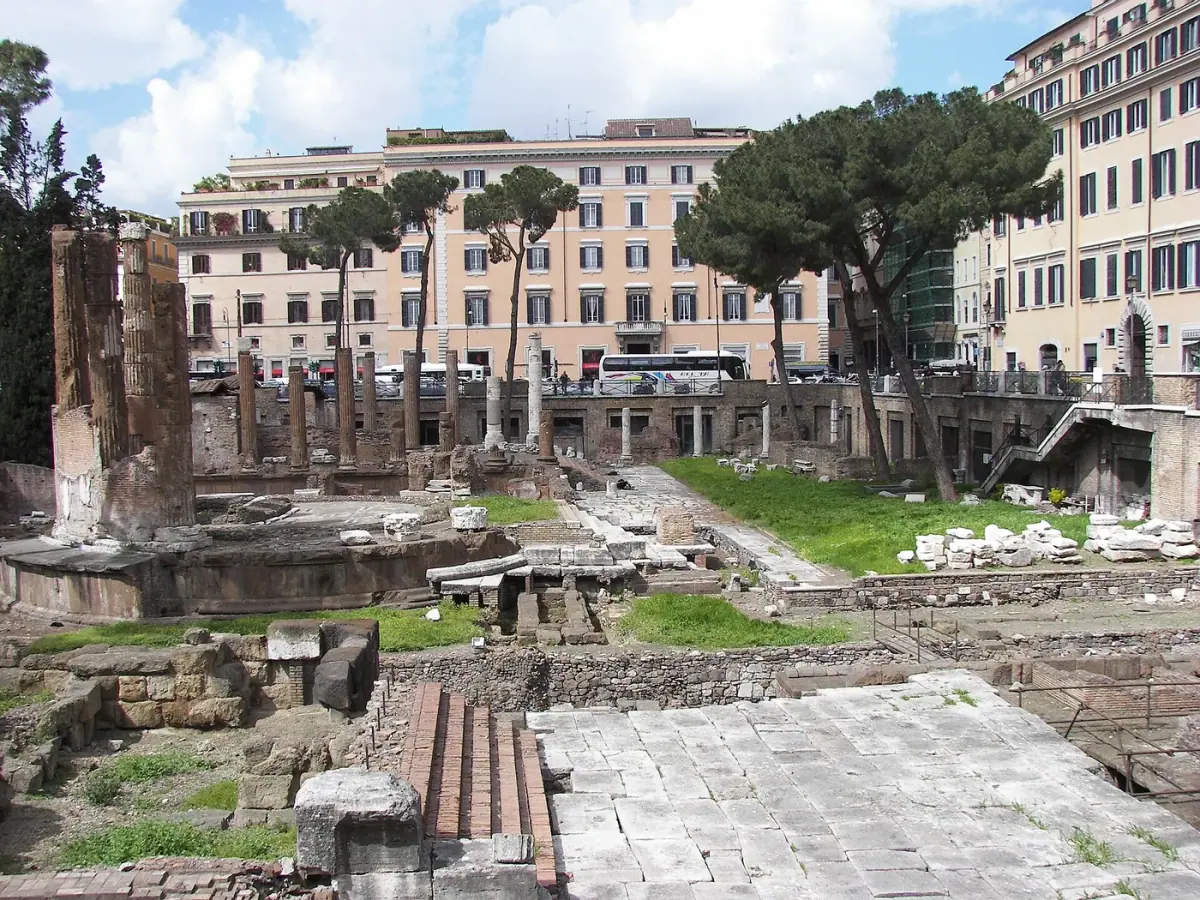

Dozens of cats living among the remains of ancient temples! You can look down over the ruins from the pavement. One of Rome’s most entertaining stops for children.
Why go? The remains of Pompey’s Theatre, where Julius Caesar was killed, are in this area; today it is home to dozens of street cats. This meeting of history and endearing cats often becomes one of the places children talk about most in Rome.
Visit summary
- Area: Ancient Rome
- Highlight: Cats living among ancient temples
- Suggested visit length: About 15–20 minutes
- Type of visit: Exterior view
- Admission: Free (viewed from the pavement).
- Open map: Search for this place on Google Maps
Historic Centre
Pantheon
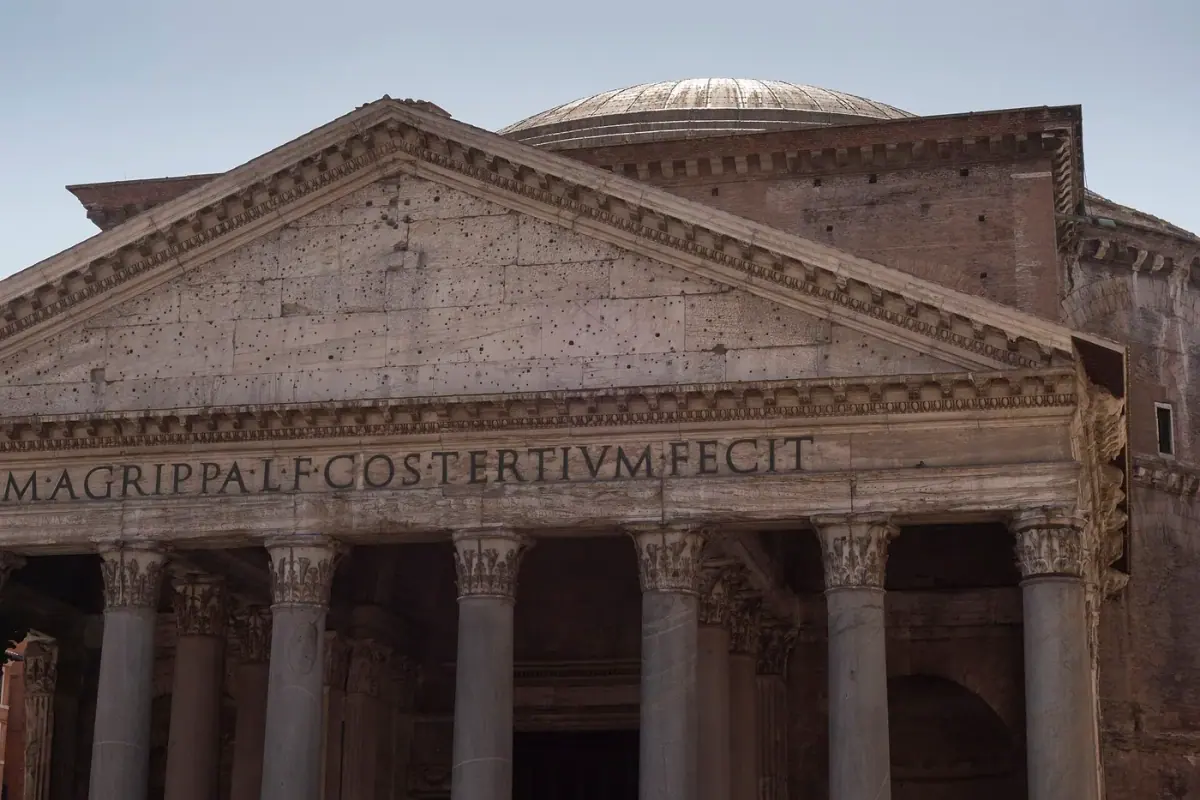

A magnificent building around 2,000 years old, with the sky visible through the opening at the centre of its dome. Paid admission. Our note: beautiful, do go inside. The painter Raphael is also buried here.
Why go? Built around 2,000 years ago, it still has the world’s largest unreinforced concrete dome. Watching the light filtering through the opening move across the walls during the day fascinates even those with no architectural knowledge.
Visit summary
- Area: Historic Centre
- Highlight: 2,000-year-old dome and its central opening
- Suggested visit length: About 30 minutes
- Type of visit: Indoors
- Admission: Paid admission · about €5–7 per adult (€7 announced from summer 2026). Under-18s free.
- Open map: Search for this place on Google Maps
Piazza Navona
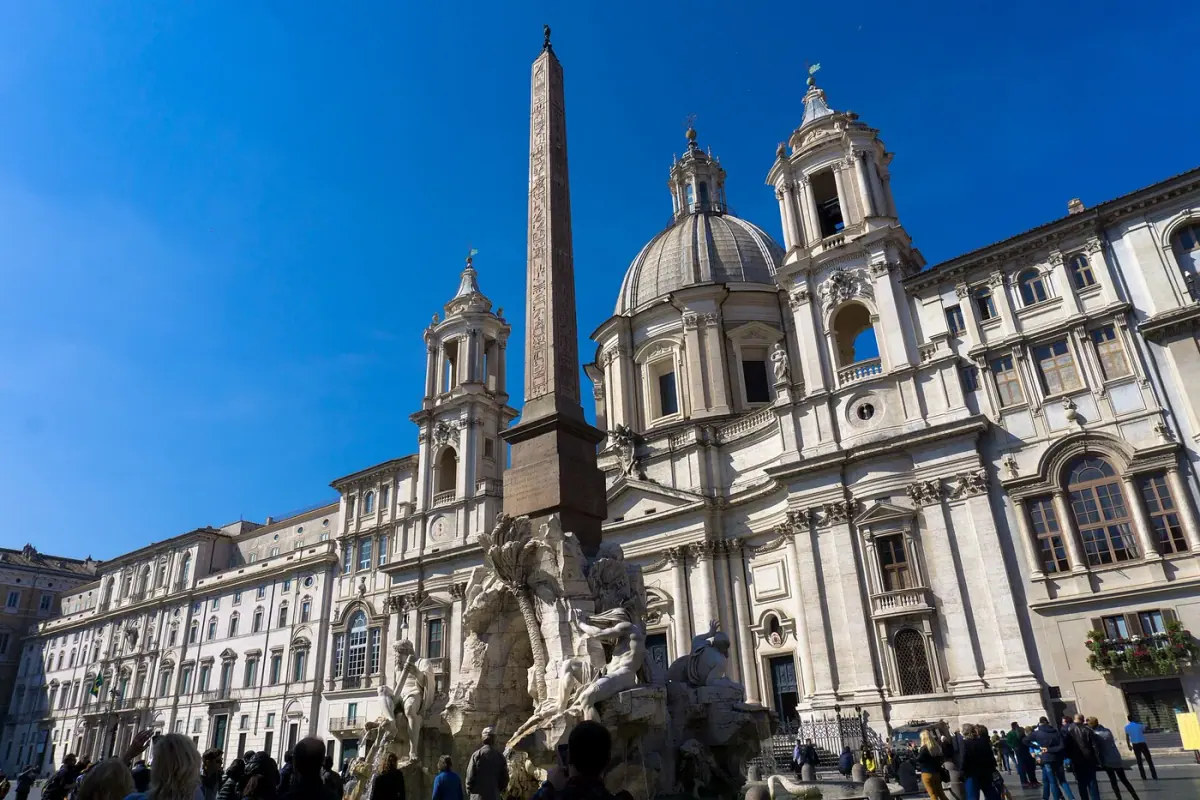

One of Rome’s liveliest squares. Its central Fountain of the Four Rivers represents four great rivers of the world. Street performers and painters make it enjoyable for children too.
Why go? Preserving the oval shape of an ancient stadium, the square is a beautiful stage for Baroque Rome, with Bernini’s Fountain of the Four Rivers. Street painters and musicians keep it lively throughout the day; children have a wide, traffic-free space to run.
Visit summary
- Area: Historic Centre
- Highlight: Bernini’s Fountain of the Four Rivers
- Suggested visit length: About 30–45 minutes
- Type of visit: Outdoor walk
- Admission: Free (outdoors)
- Open map: Search for this place on Google Maps
Sant’Ignazio Church (Mirror Church)
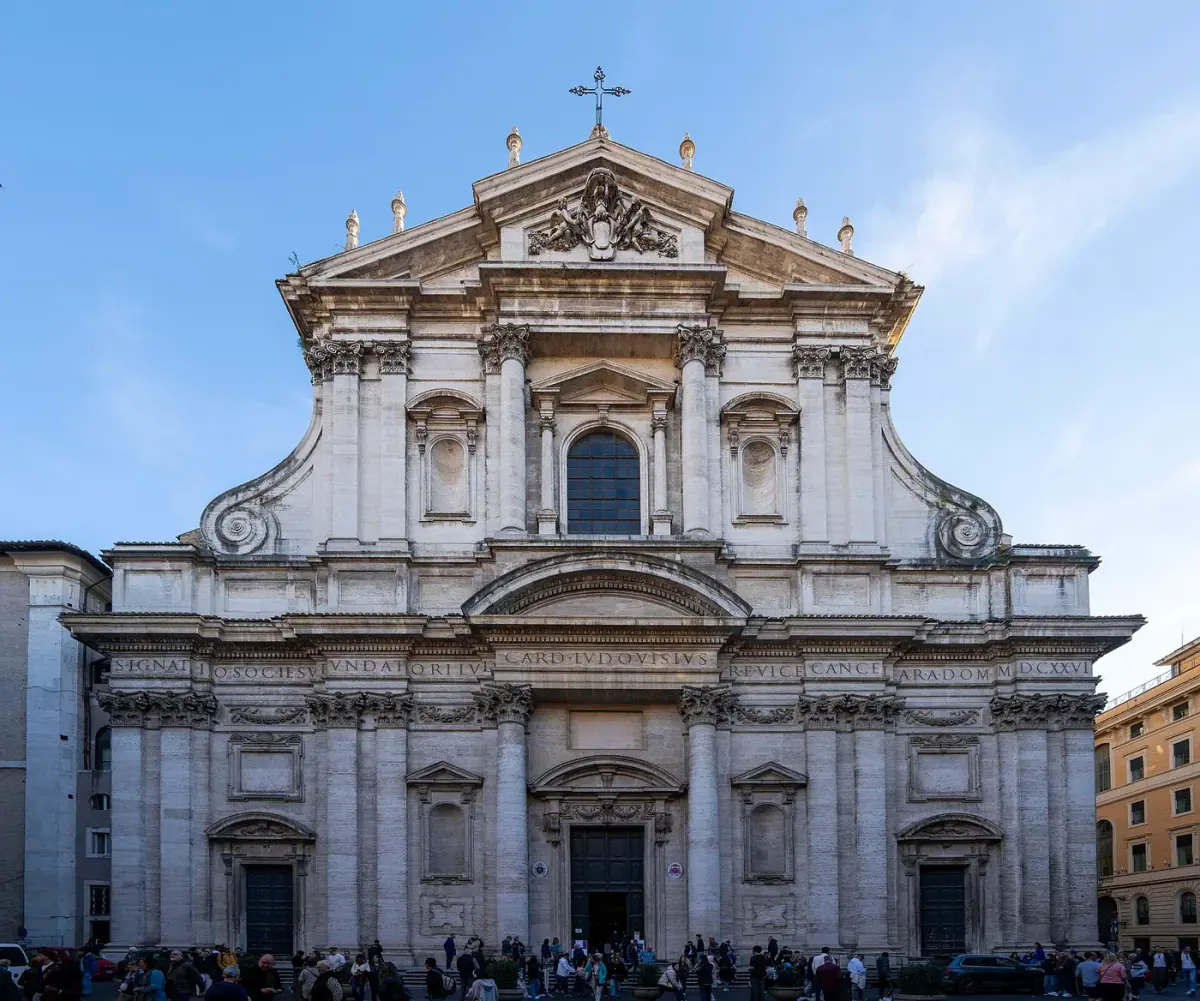

The ceiling is painted so skilfully that the flat surface looks like a dome. Looking up at it using the mirror on the floor feels like an intriguing game for children.
Why go? When funds ran out for a real dome, painter Andrea Pozzo painted one onto the flat ceiling so convincingly that it looks real. Looking up through the floor mirror is a playful way to explain perspective illusions to children.
Visit summary
- Area: Historic Centre
- Highlight: Illusionistic dome painted on a flat ceiling
- Suggested visit length: About 15–20 minutes
- Type of visit: Indoors
- Admission: Free
- Open map: Search for this place on Google Maps
Santa Maria sopra Minerva
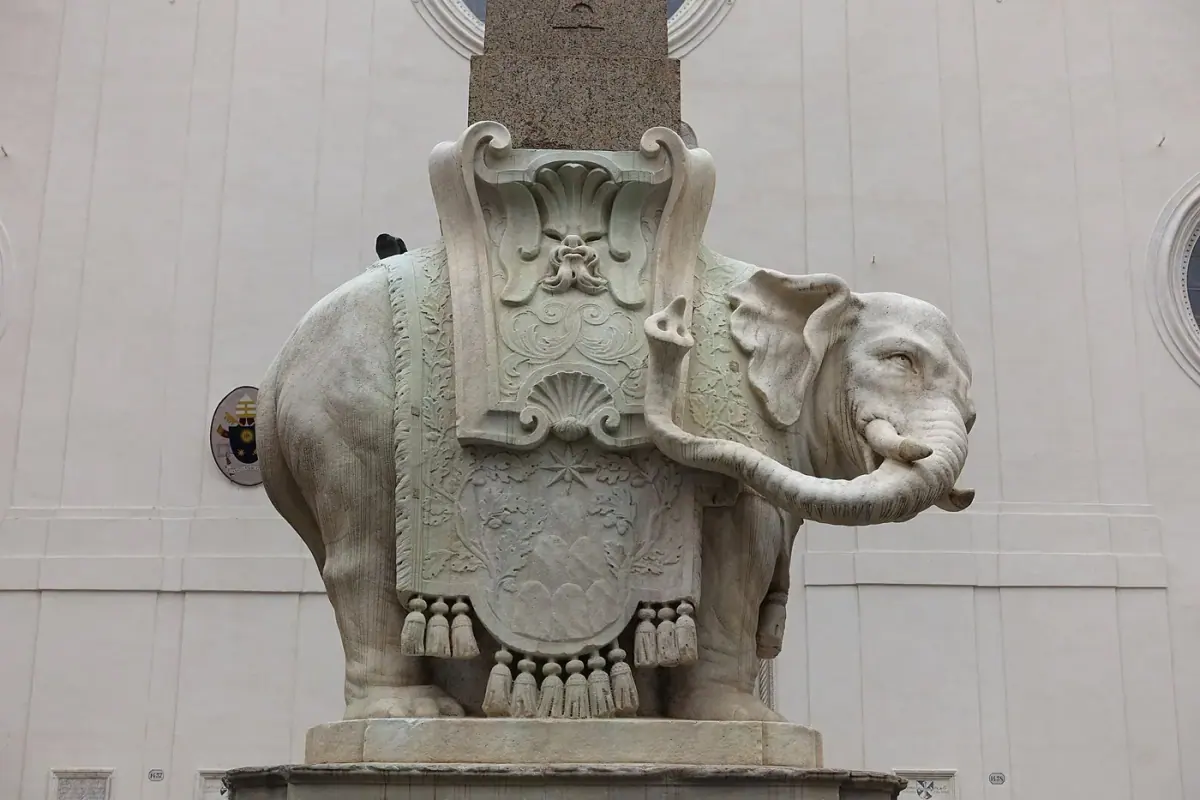

Rome’s only Gothic church. In the square outside is a small elephant statue carrying an obelisk on its back, sure to catch children’s attention.
Why go? Rome’s only Gothic church holds a dark blue, starry ceiling and a Michelangelo statue. Outside, the small elephant carrying an obelisk is one of Bernini’s most endearing works.
Visit summary
- Area: Historic Centre
- Highlight: Rome’s only Gothic church and the elephant statue
- Suggested visit length: About 15 minutes
- Type of visit: Indoors / exterior view
- Admission: Free
- Open map: Search for this place on Google Maps
San Luigi dei Francesi
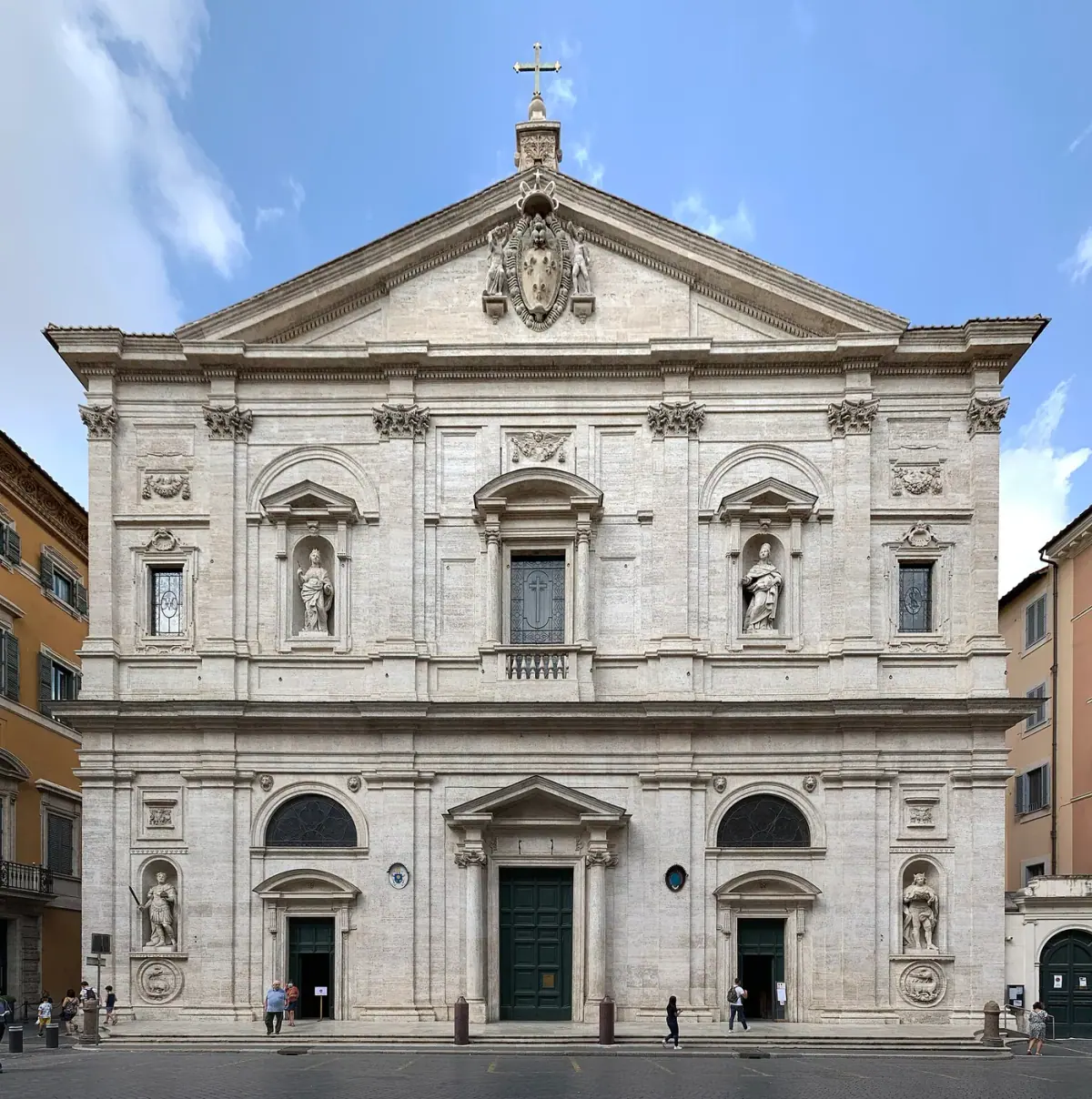

Rome’s French church. Three famous Caravaggio paintings can be seen free in its chapel.
Why go? You can see Caravaggio’s three large paintings of St Matthew for free, from just a few metres away. It is one of the city’s most valuable stops for studying his use of light and shadow without museum crowds.
Visit summary
- Area: Historic Centre
- Highlight: Three Caravaggio paintings
- Suggested visit length: About 15 minutes
- Type of visit: Indoors
- Admission: Free
- Open map: Search for this place on Google Maps
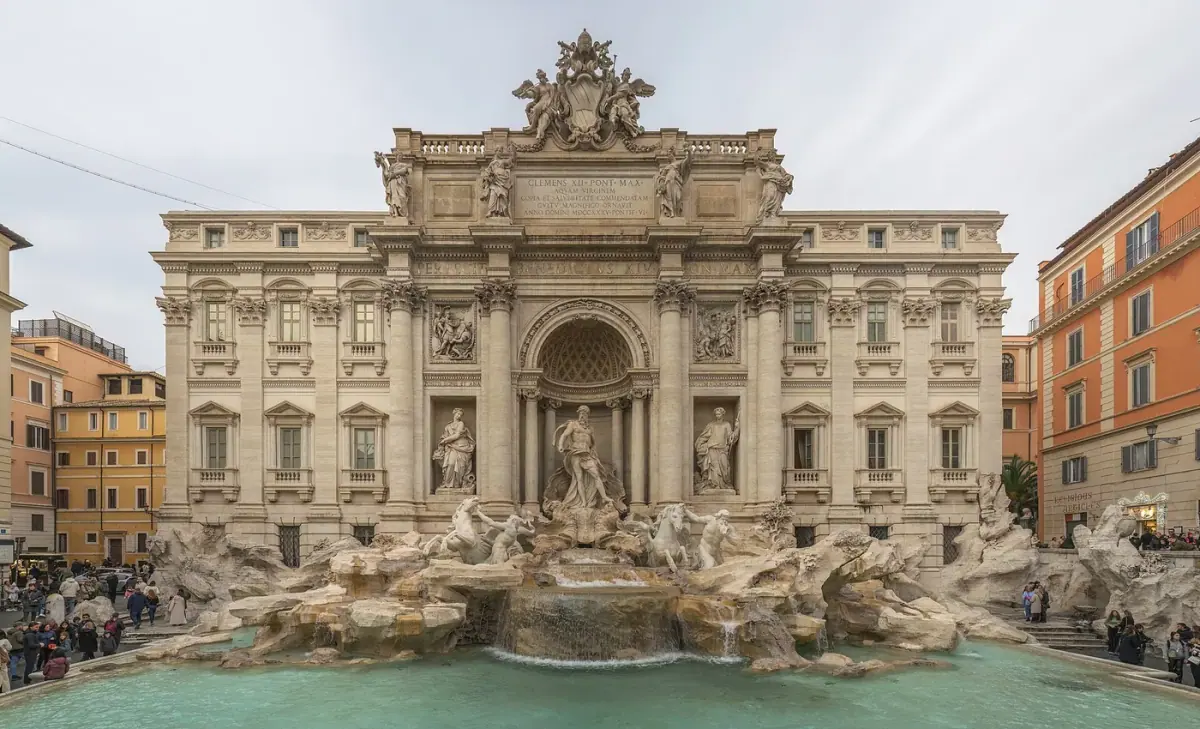
Trevi Fountain
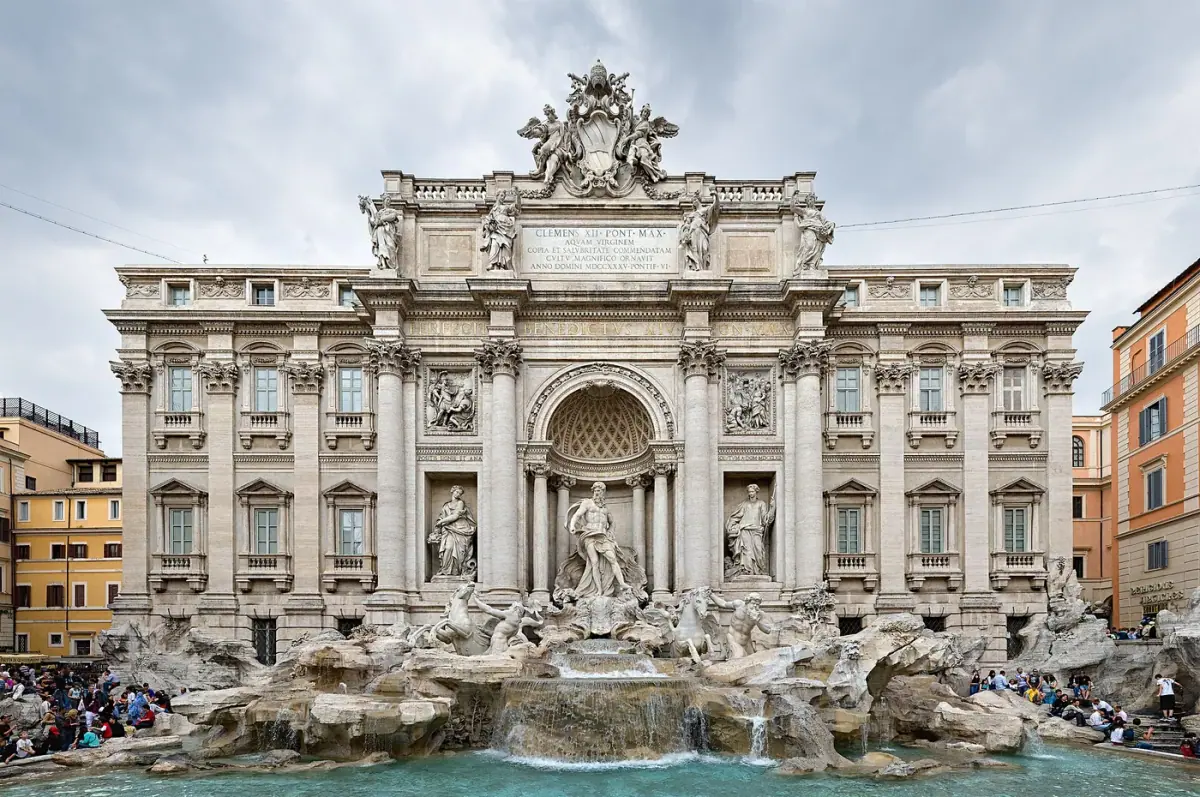

Rome’s most famous fountain. Tradition says that throwing a coin into the water with your back turned means you will return to Rome. Very crowded during the day; we recommend early morning or nighttime.
Why go? Combining Baroque sculpture and water, this enormous fountain is Rome’s most photographed place. Tossing a coin over their shoulder can be one of the most exciting moments for children; nighttime illumination gives it a different beauty.
Visit summary
- Area: Historic Centre
- Highlight: Rome’s most famous Baroque fountain
- Suggested visit length: About 15–20 minutes
- Type of visit: Outdoors
- Admission: The square is free; access down to the poolside has cost €2 since February 2026 (under-5s free).
- Open map: Search for this place on Google Maps
Galleria Sciarra
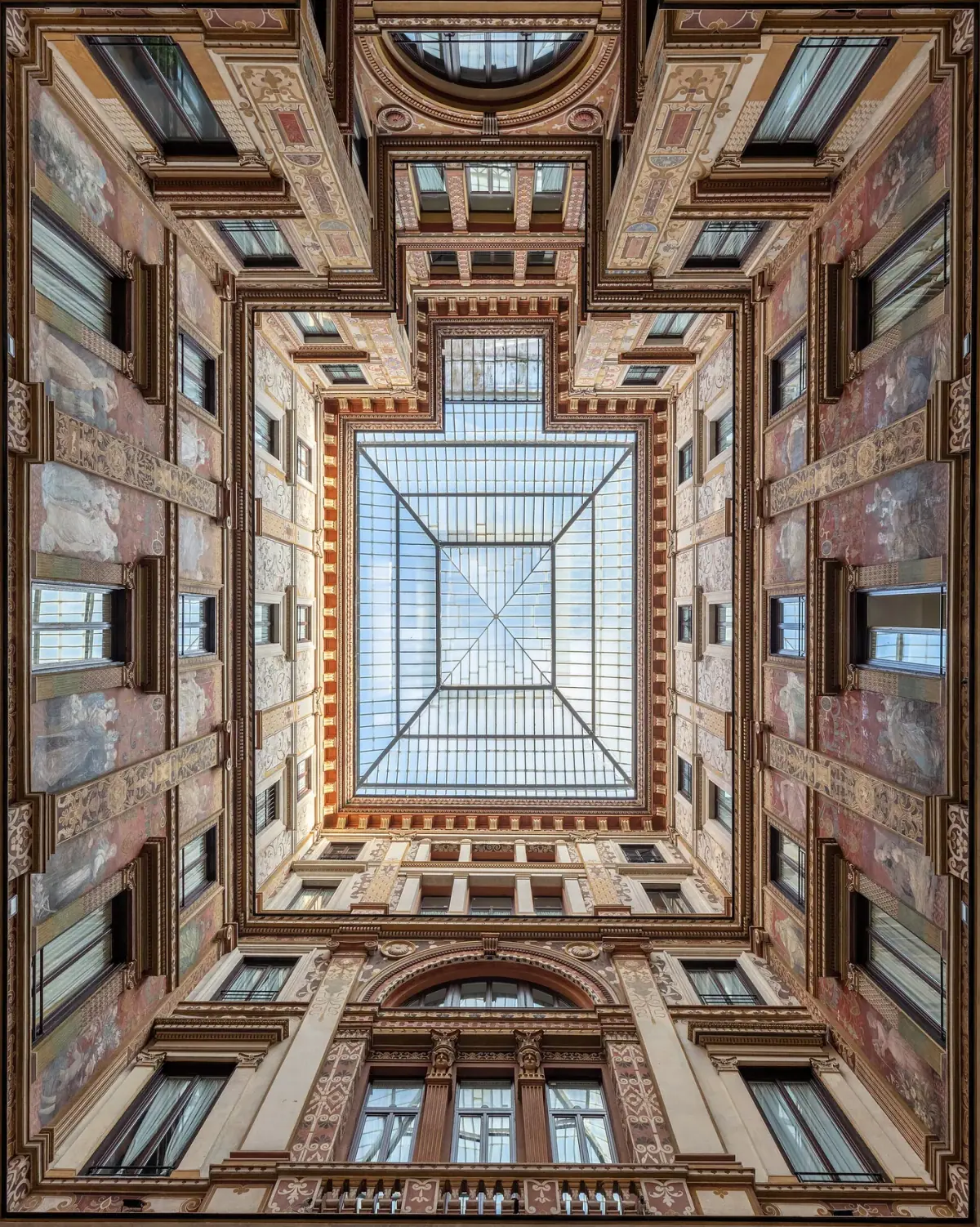

A small, hidden courtyard very close to Trevi. Its walls are completely covered in frescoes. Most tourists do not know it, making it great for a quiet break.
Why go? A few steps beyond Trevi lies a hidden courtyard covered in Art Nouveau frescoes. Most tourists walk straight past, making it ideal for escaping the crowds and catching your breath for a few minutes.
Visit summary
- Area: Historic Centre
- Highlight: Hidden courtyard covered in frescoes
- Suggested visit length: About 10 minutes
- Type of visit: Courtyard
- Admission: Free (courtyard open during weekday daytime hours).
- Open map: Search for this place on Google Maps
Via del Corso
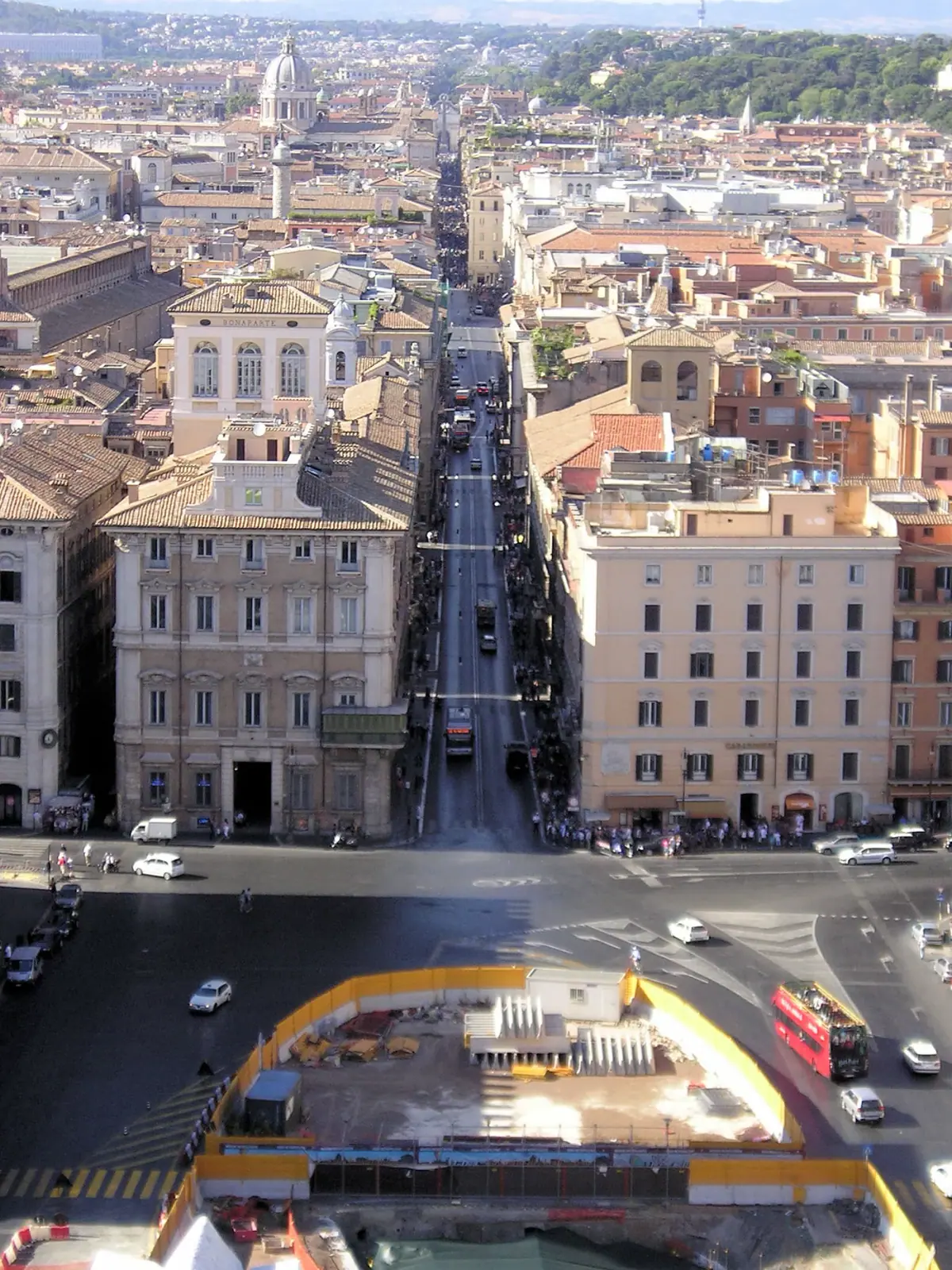

The main shopping street stretching between Piazza Venezia and Piazza del Popolo.
Why go? Continuing the ancient Via Flaminia within the city, this straight street links northern and southern Rome. Walking among its shops, palaces and churches also connects two of the city’s major squares.
Visit summary
- Area: Historic Centre
- Highlight: The city’s main shopping street
- Suggested visit length: About 30–60 minutes
- Type of visit: Avenue walk
- Admission: Free (outdoors)
- Open map: Search for this place on Google Maps
Campo de’ Fiori
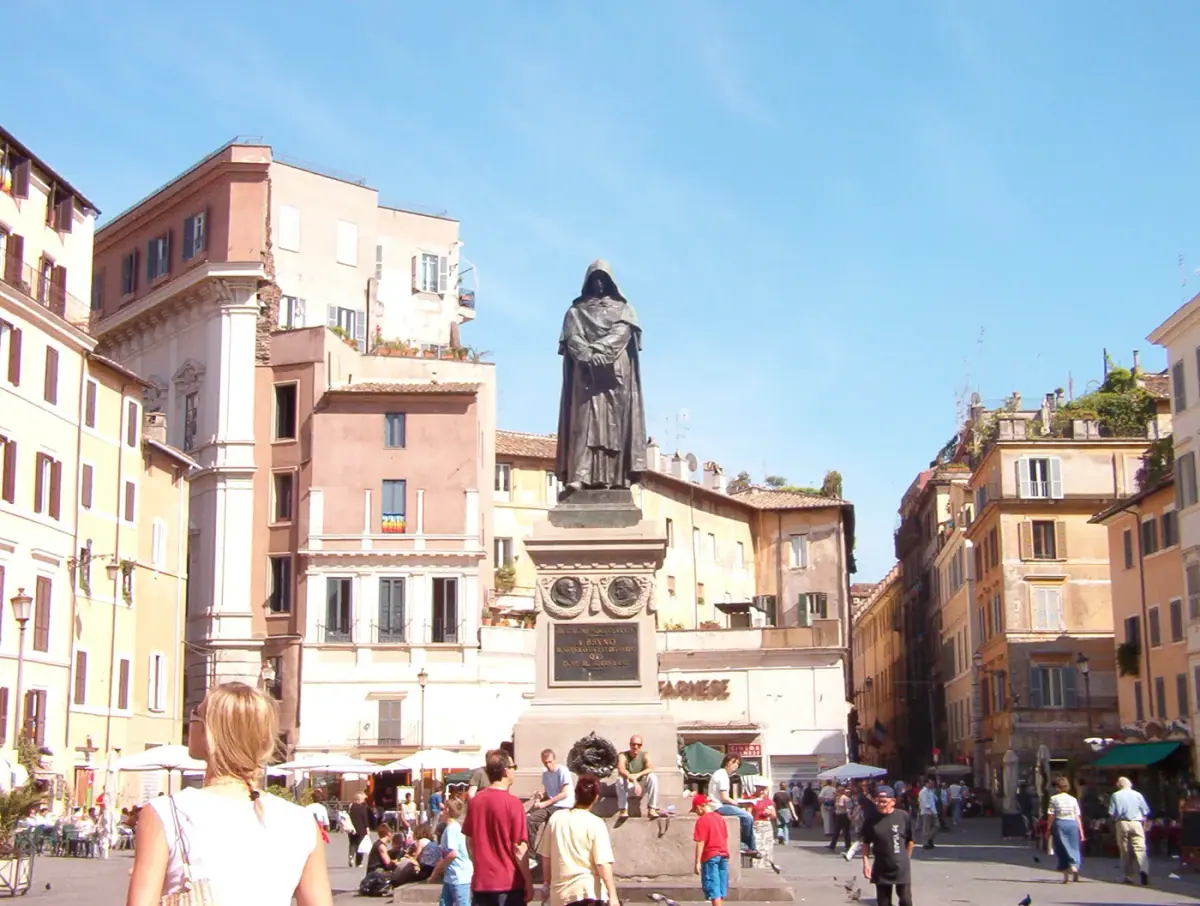

A square with an outdoor market by day, coming alive in the evenings.
Why go? A truly Roman square, colourful with fruit, vegetable and flower stalls in the morning and lively with restaurants in the evening. The central Giordano Bruno statue tells a powerful story about the cost of freedom of thought.
Visit summary
- Area: Historic Centre
- Highlight: Morning market and lively evenings
- Suggested visit length: About 20–30 minutes
- Type of visit: Outdoor walk
- Admission: Free (outdoors)
- Open map: Search for this place on Google Maps
Via dei Coronari
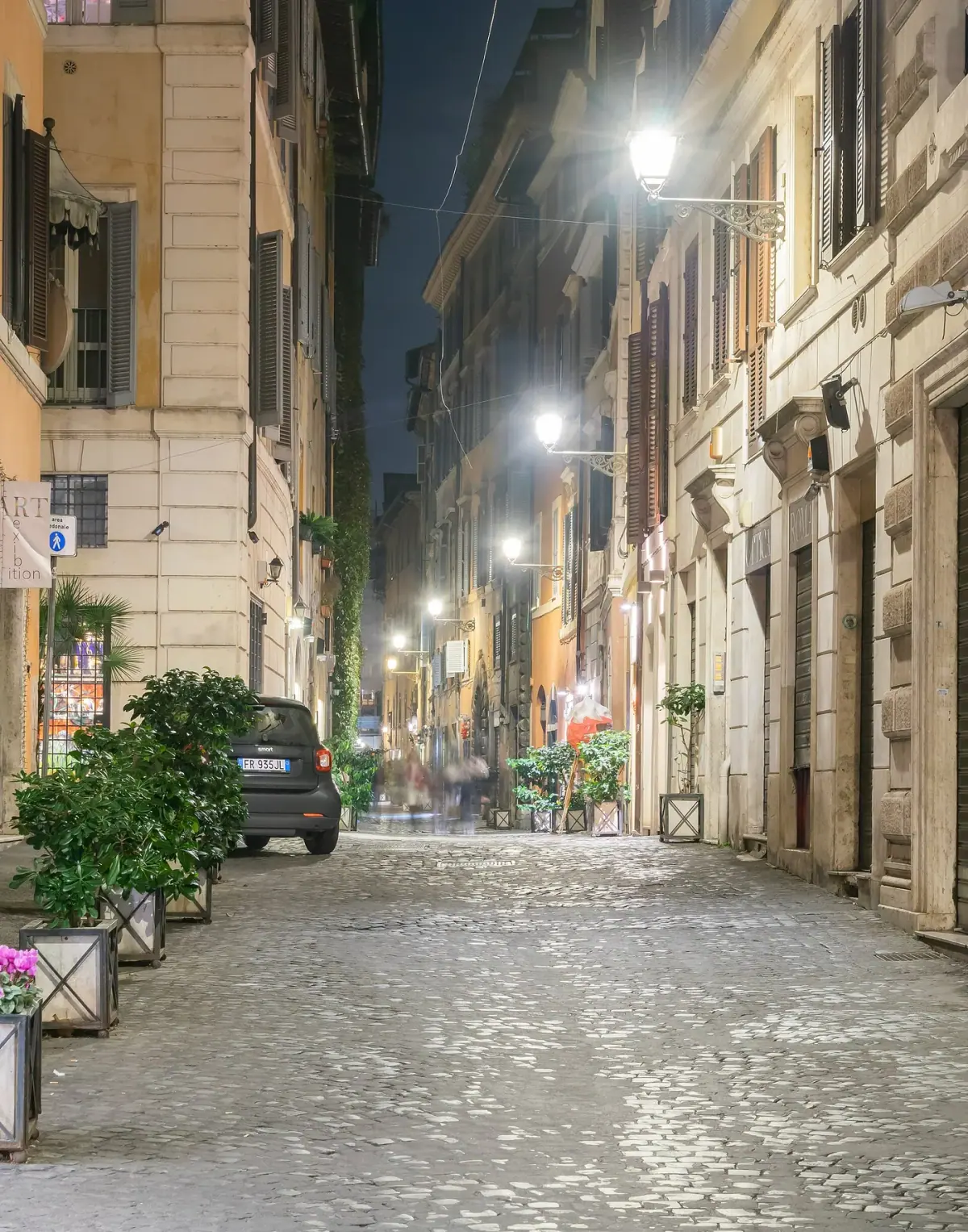

A quiet, charming street behind Navona, lined with old Roman houses. Lovely for photographs.
Why go? Renaissance houses, antique shops and ivy-covered façades make this one of Rome’s most photogenic streets. Choosing it instead of the main road between Navona and Ponte Sant’Angelo turns the walk into a pleasure.
Visit summary
- Area: Historic Centre
- Highlight: Old Roman houses and antique shops
- Suggested visit length: About 20–30 minutes
- Type of visit: Street walk
- Admission: Free (outdoors)
- Open map: Search for this place on Google Maps
Vatican
St Peter’s Basilica
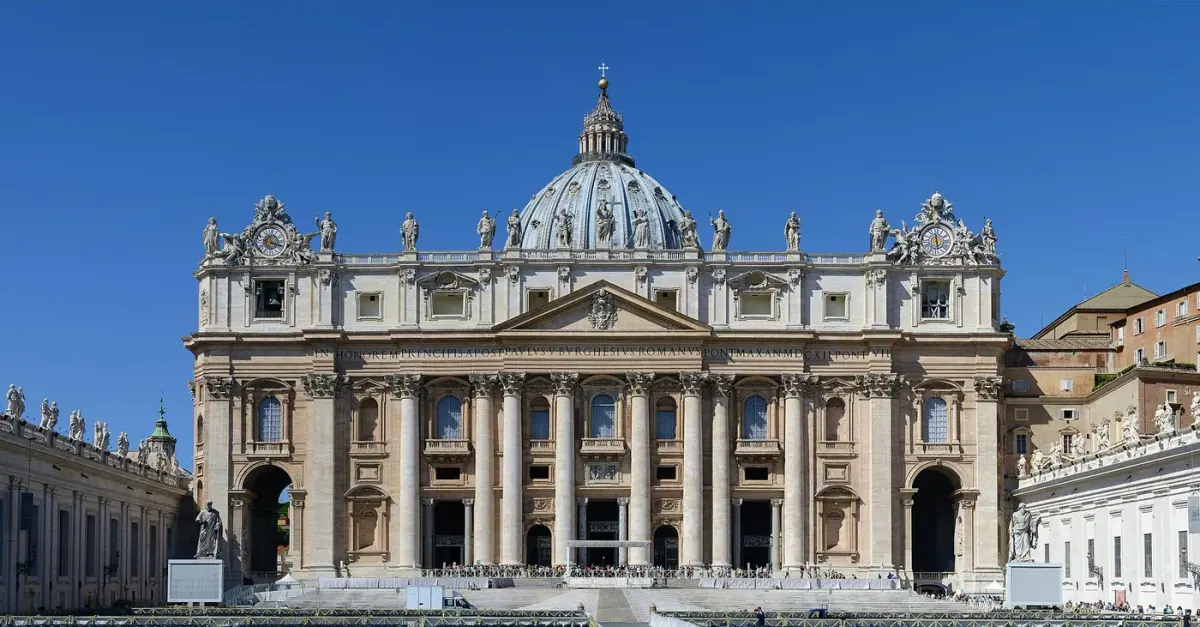

One of the world’s largest churches. Admission is free, but a dress code applies: shoulders and knees must be covered. Security queues can be long, so go early.
Why go? Michelangelo’s dome, Bernini’s bronze baldachin and Michelangelo’s Pietà are under one roof. Photographs cannot convey its scale; it is one of those rare buildings that make you feel tiny as soon as you enter.
Visit summary
- Area: Vatican
- Highlight: One of the world’s largest churches
- Suggested visit length: About 1 hour (2 hours with the dome)
- Type of visit: Indoors / dome climb
- Admission: The basilica is free; climbing the dome charges admission.
- Open map: Search for this place on Google Maps
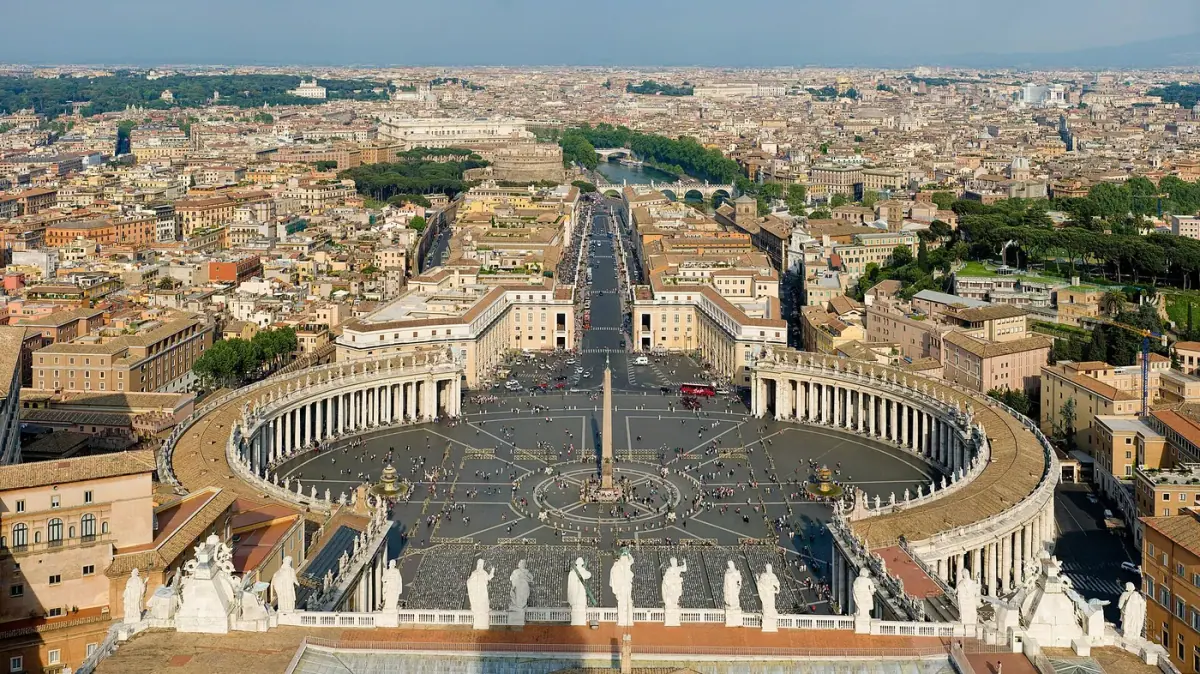
St Peter’s Square
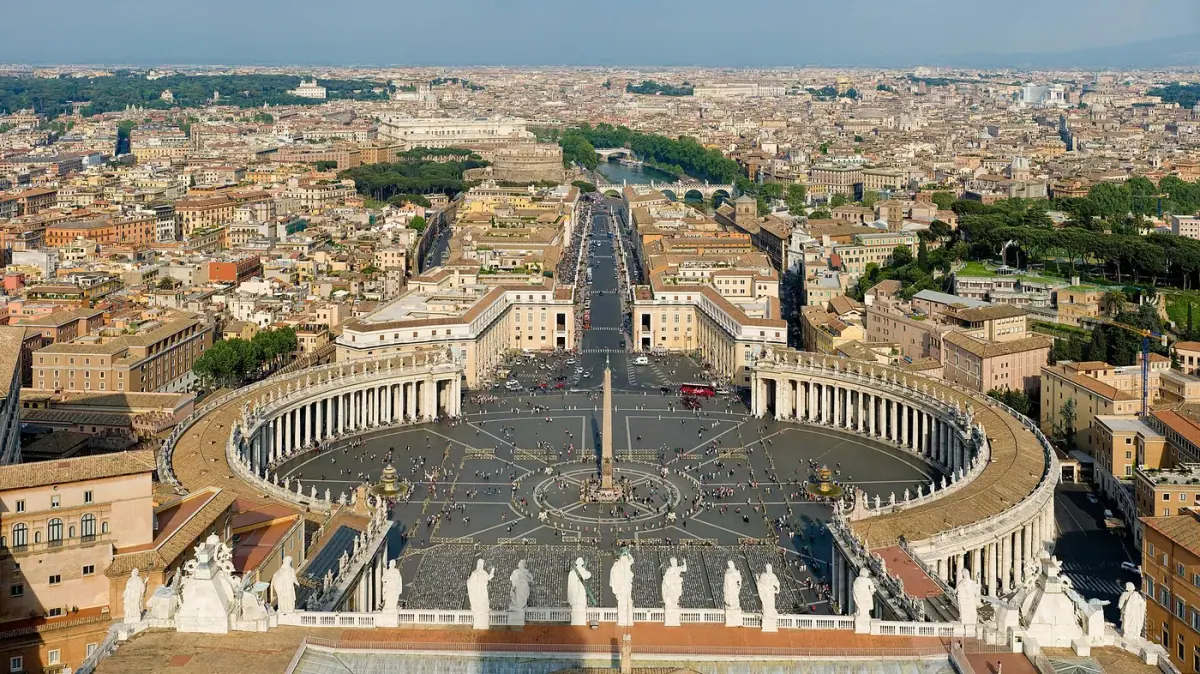
The vast, column-lined square in front of the basilica. This is where the Pope greets the public.
Why go? Bernini designed this world-famous colonnaded square like two arms opening in an embrace. Standing on the marked spots and seeing four rows of columns align into one looks like a little magic trick to children.
Visit summary
- Area: Vatican
- Highlight: Bernini’s enormous colonnaded square
- Suggested visit length: About 20–30 minutes
- Type of visit: Outdoors
- Admission: Free (outdoors)
- Open map: Search for this place on Google Maps
Vatican Museums
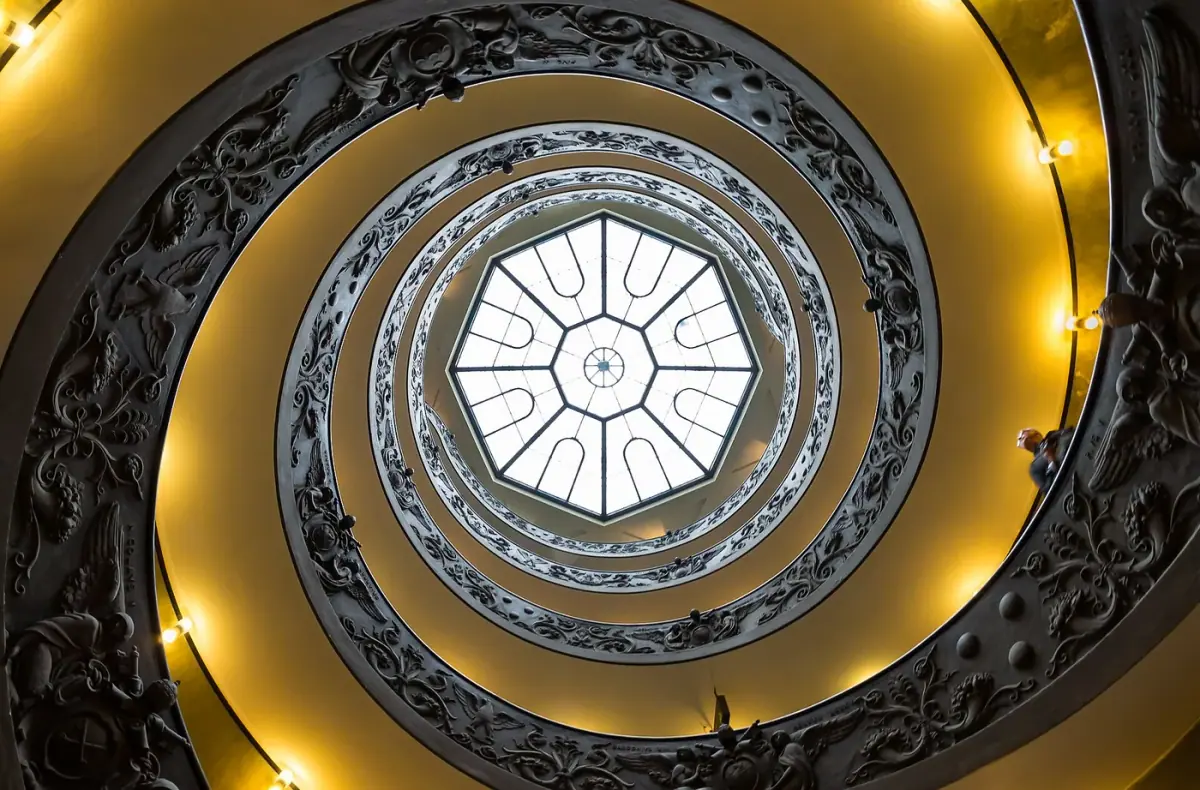

One of the world’s largest art collections. Book tickets in advance. The museums are enormous, so choose the sections you want to see beforehand when visiting with children.
Why go? One of the world’s richest collections, from ancient sculptures and Raphael’s Rooms to the Gallery of Maps and Egyptian mummies. Seeing everything is impossible, but the Gallery of Maps’ golden ceiling alone is worth the ticket.
Visit summary
- Area: Vatican
- Highlight: One of the world’s largest art collections
- Suggested visit length: About 2.5–3 hours
- Type of visit: Indoors
- Admission: Paid admission · about €20 per adult at the door, about €25 with online booking. Reduced tickets are available for children and students.
- Open map: Search for this place on Google Maps
Sistine Chapel
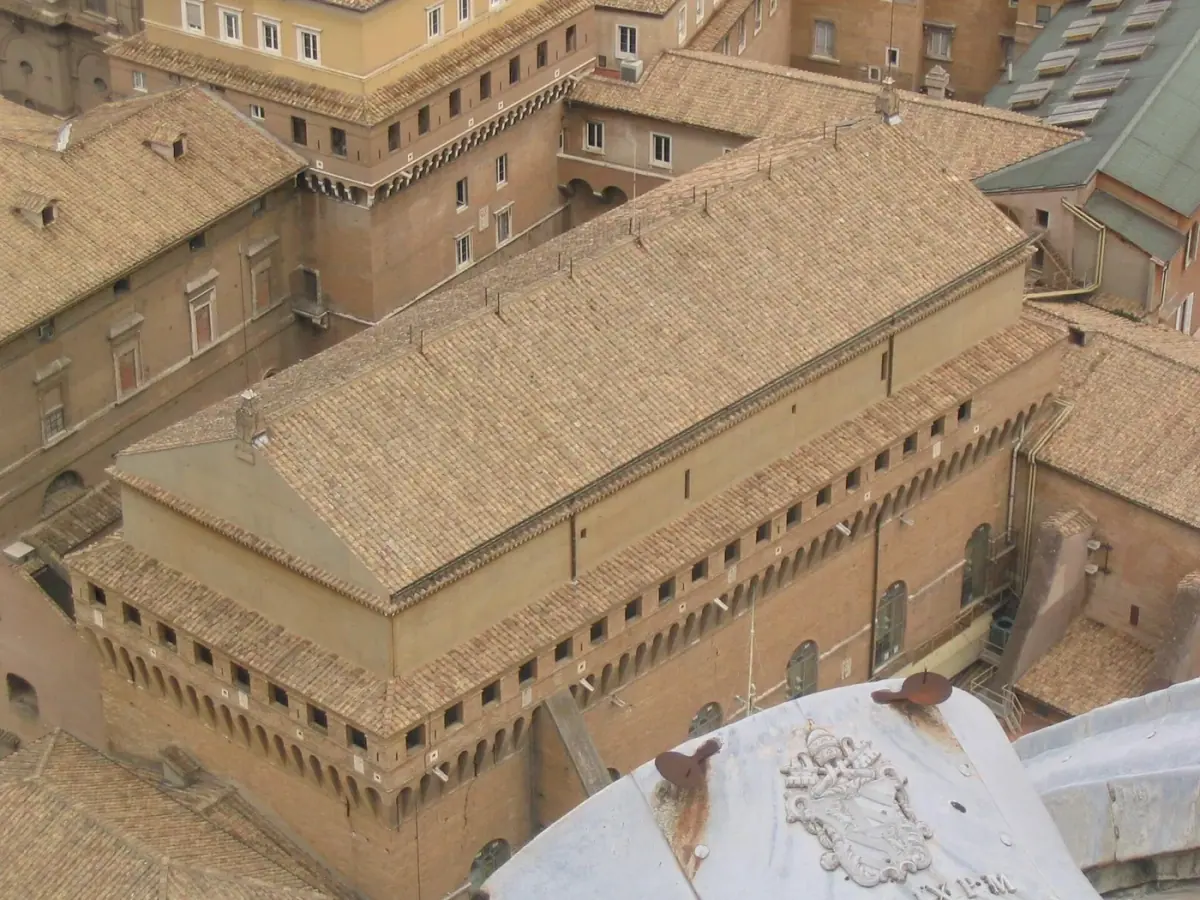

Inside the Vatican Museums. This is where you will find Michelangelo’s ceiling frescoes and The Last Judgment.
Why go? Michelangelo painted the ceiling over four years, working on scaffolding with his neck bent; The Creation of Adam is one of the world’s best-known images. Quietly looking up for a few minutes in the hall where popes are elected is unforgettable.
Visit summary
- Area: Vatican
- Highlight: Michelangelo’s ceiling frescoes and The Last Judgment
- Suggested visit length: About 20–30 minutes (inside the museum)
- Type of visit: Indoors
- Admission: Included in the Vatican Museums ticket.
- Open map: Search for this place on Google Maps
Castel Sant’Angelo (Castle of the Holy Angel)
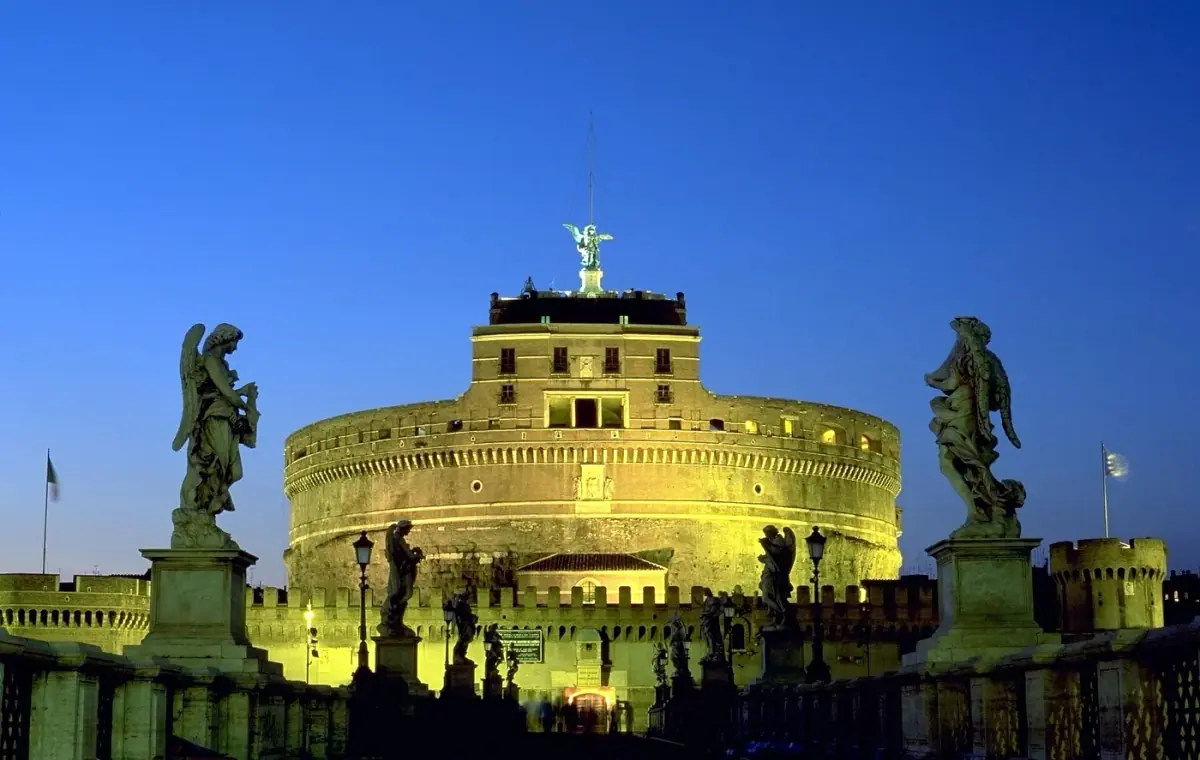

A circular building originally built as Emperor Hadrian’s tomb and later turned into a fortress. Paid admission. Its terrace offers beautiful Vatican and Tiber views.
Why go? Beginning as an emperor’s tomb before becoming a fortress, prison and papal refuge, this building is like a summary of Roman history. Its top terrace looks towards St Peter’s dome and the Tiber in one of the city’s loveliest views.
Visit summary
- Area: Vatican
- Highlight: From Hadrian’s tomb to a fortress; terrace views
- Suggested visit length: About 1–1.5 hours
- Type of visit: Indoors / terrace
- Admission: Paid admission · about €14–16 per adult. Under-18s free.
- Open map: Search for this place on Google Maps
Ponte Sant’Angelo
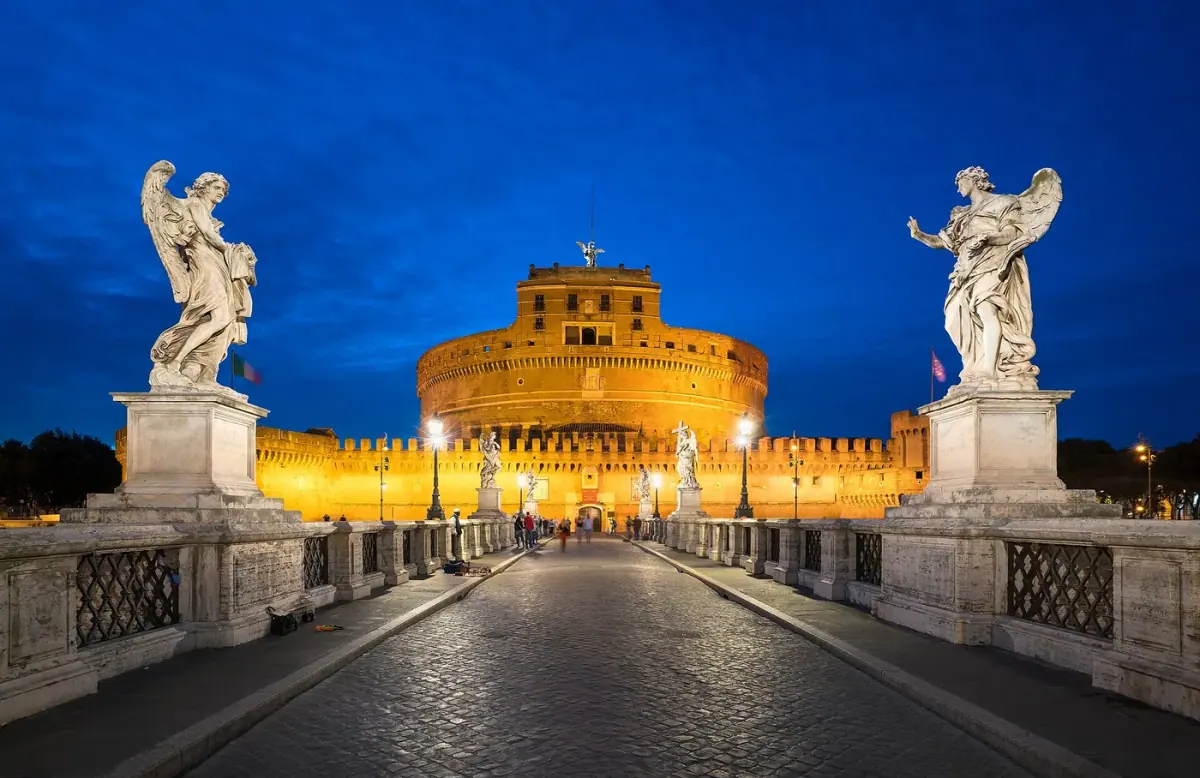

The pedestrian bridge leading to the castle, lined with angel statues. Particularly beautiful in the evening lights.
Why go? Ten angel statues from Bernini’s workshop turn the bridge into an outdoor gallery. When the lights come on around the castle at sunset, this becomes one of Rome’s most romantic views.
Visit summary
- Area: Vatican
- Highlight: Pedestrian bridge decorated with angel statues
- Suggested visit length: About 15 minutes
- Type of visit: Outdoors / bridge crossing
- Admission: Free (outdoors)
- Open map: Search for this place on Google Maps
Northern Rome and Villa Borghese
Spanish Steps (Piazza di Spagna)
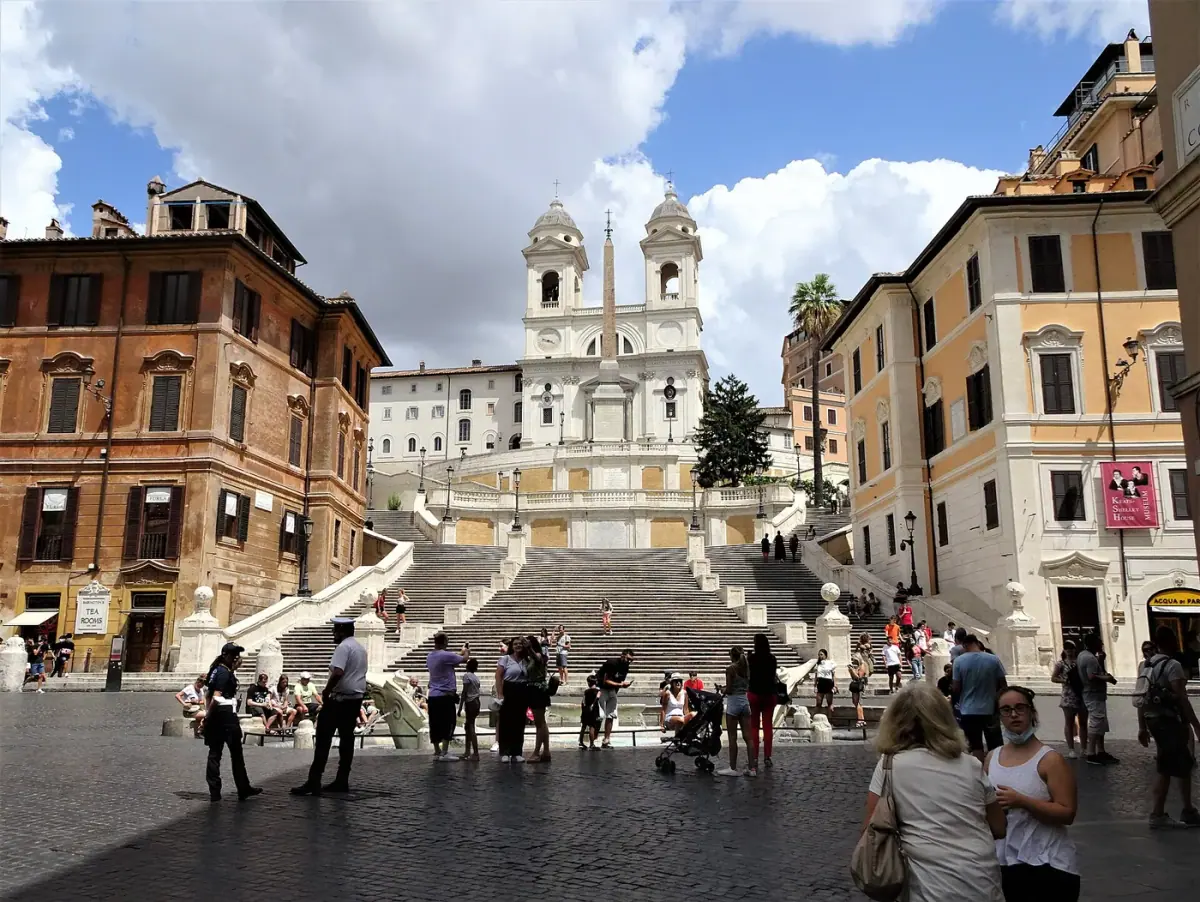

Rome’s famous steps. Sitting on them is now prohibited, but you can still enjoy the view from the top.
Why go? The 135 steps have been one of the city’s landmarks since Roman Holiday. The view down towards Via Condotti from the church above and the boat-shaped Barcaccia Fountain at the foot of the steps are worth seeing.
Visit summary
- Area: Northern Rome and Villa Borghese
- Highlight: Famous steps and views from above
- Suggested visit length: About 20–30 minutes
- Type of visit: Outdoors
- Admission: Free (outdoors)
- Open map: Search for this place on Google Maps
Piazza del Popolo
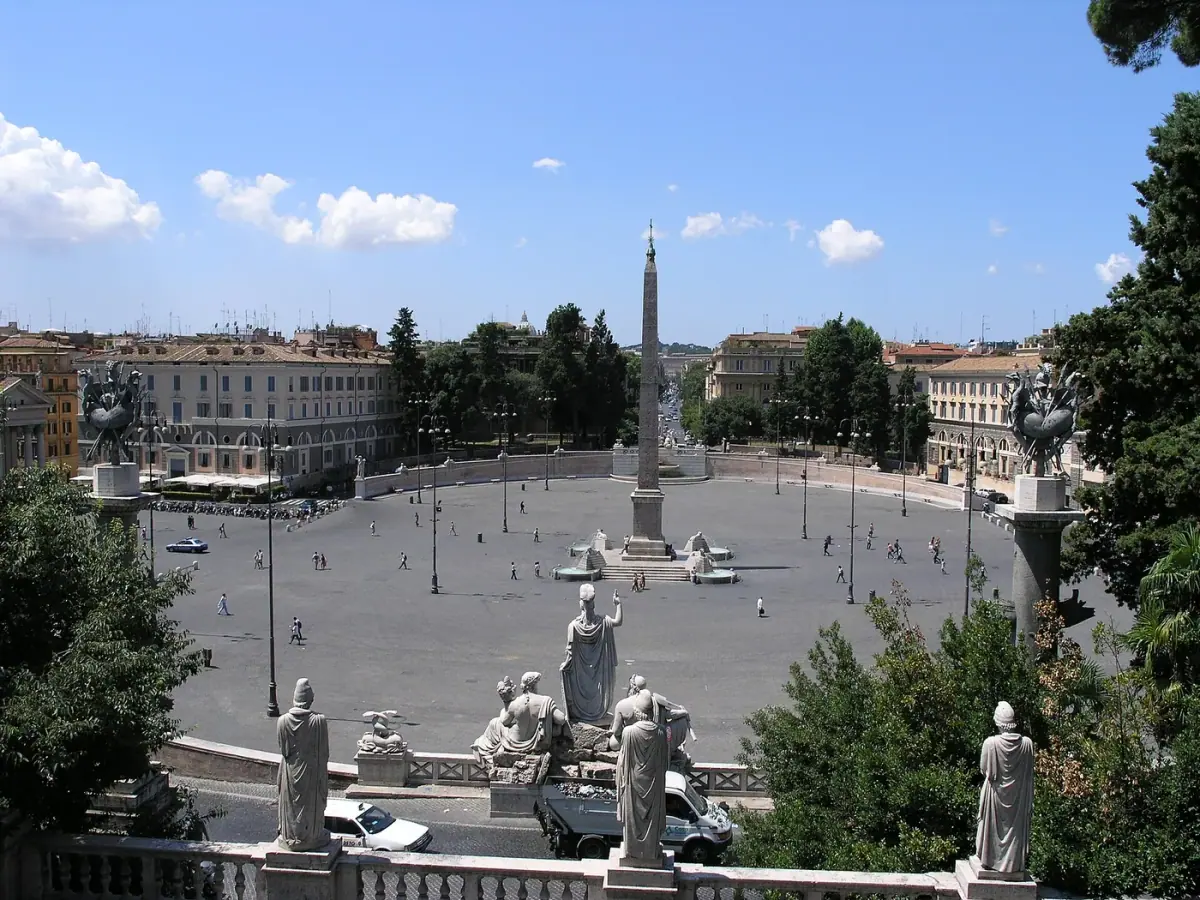

A large square at the city’s northern gate. One of Rome’s oldest obelisks stands in the centre.
Why go? Visitors arriving from the north first see this vast square, where an Egyptian obelisk over 3,000 years old rises. With twin churches and steps up to Pincio, it is ideal for starting a sunset walk.
Visit summary
- Area: Northern Rome and Villa Borghese
- Highlight: The city’s northern gate and obelisk
- Suggested visit length: About 20 minutes
- Type of visit: Outdoor walk
- Admission: Free (outdoors)
- Open map: Search for this place on Google Maps
Pincio Terrace and promenade
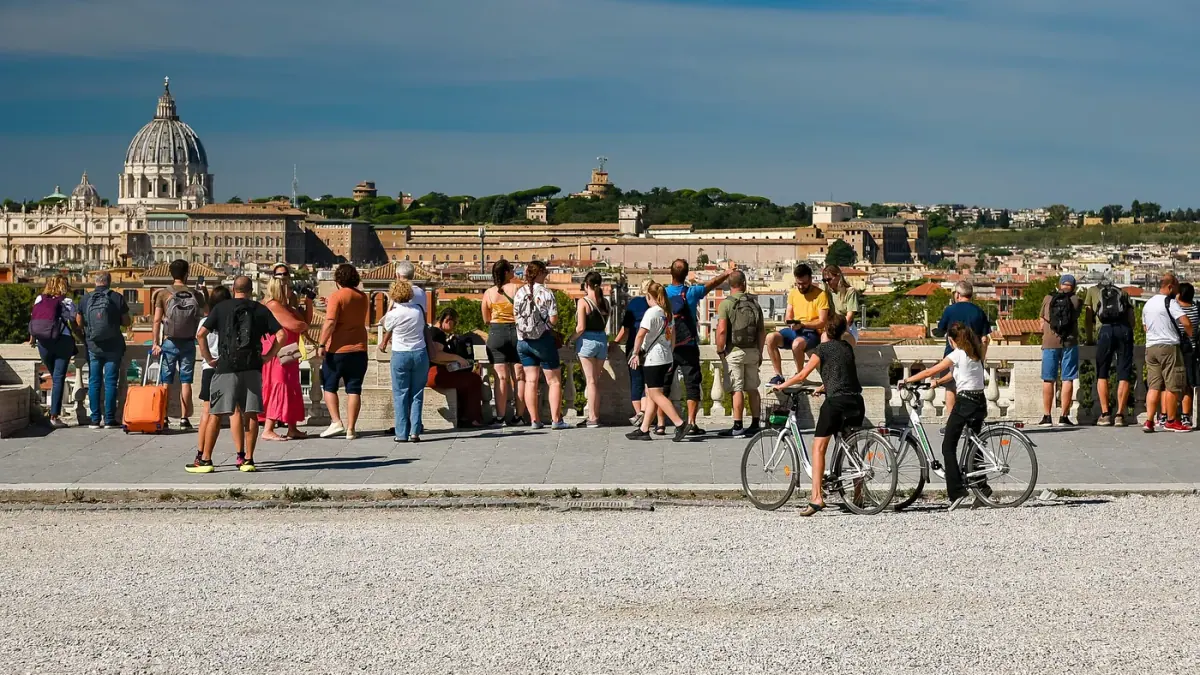

Reached by steps from Piazza del Popolo, the terrace has one of Rome’s most beautiful views. Busts of famous people line the promenade.
Why go? Just above Piazza del Popolo, the terrace reveals Rome’s domed skyline all the way to St Peter’s. A free viewpoint that is easy to reach with children, it also draws local people at sunset.
Visit summary
- Area: Northern Rome and Villa Borghese
- Highlight: One of Rome’s most beautiful viewing terraces
- Suggested visit length: About 30 minutes
- Type of visit: Outdoors / viewpoint
- Admission: Free (outdoors)
- Open map: Search for this place on Google Maps
Villa Borghese
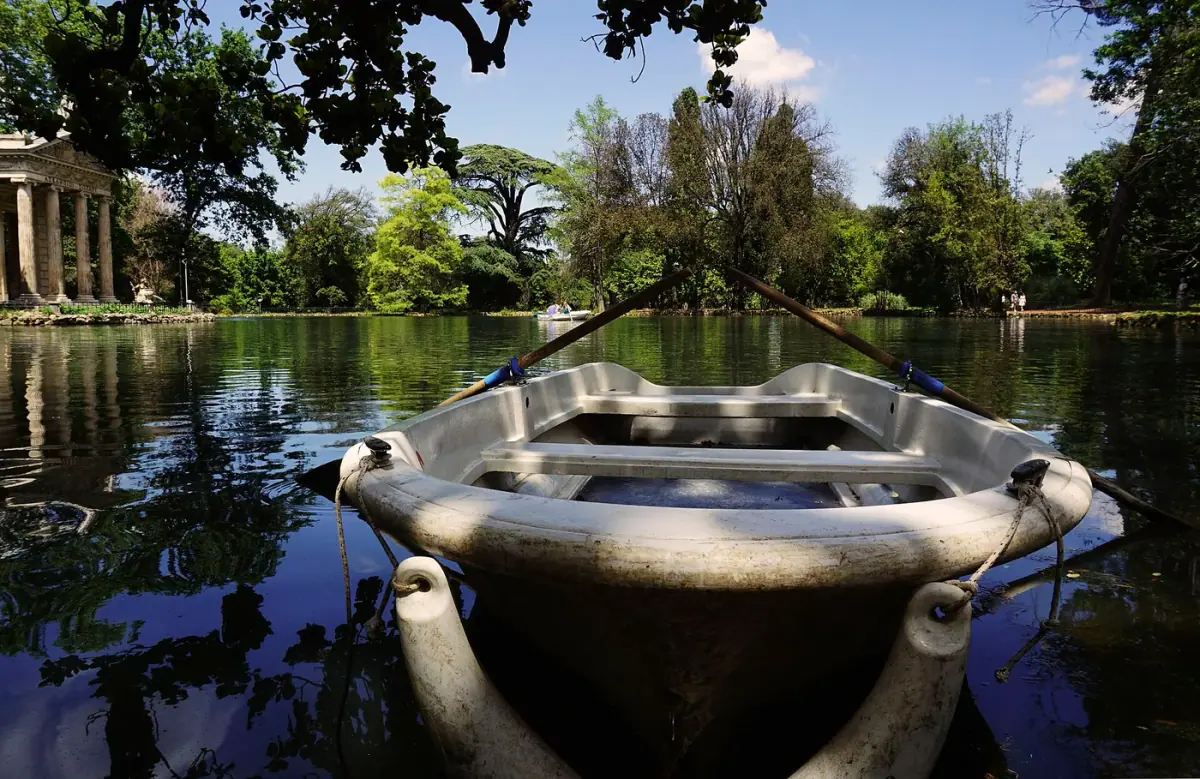

One of Rome’s largest parks, with a lake, gardens and wide lawns. A wonderful breathing space in the middle of the city for children.
Why go? A huge park in the city centre, with a lake, rental bicycles and broad lawns. After walking stone streets all day, children can run and play while families take a breather.
Visit summary
- Area: Northern Rome and Villa Borghese
- Highlight: Large park in the city centre
- Suggested visit length: About 1–2 hours
- Type of visit: Park / outdoors
- Admission: The park is free.
- Open map: Search for this place on Google Maps
Borghese Gallery
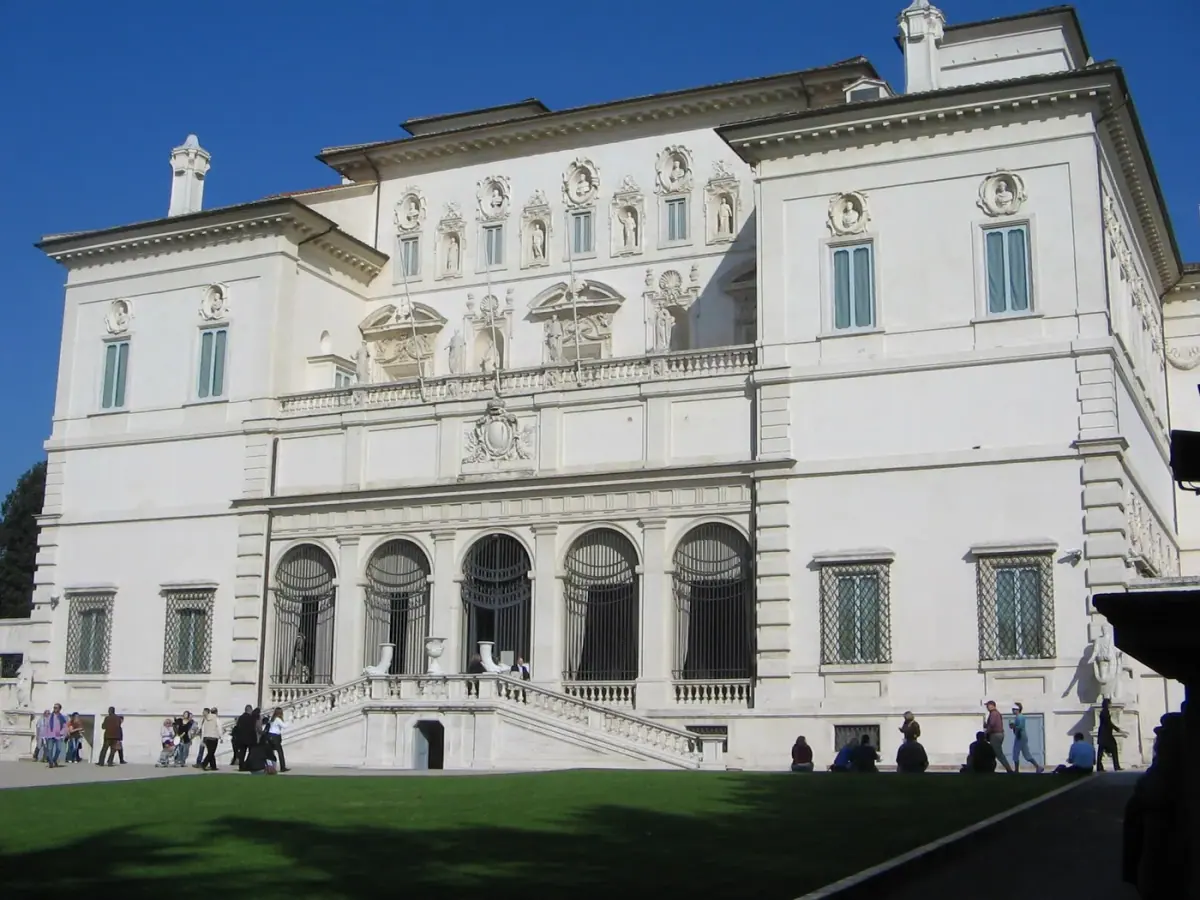

The villa inside the park displays works by Bernini and Caravaggio. Paid admission and booking is compulsory; visits take place in timed sessions.
Why go? It is extraordinary to see fingers turning into leaves in Bernini’s Apollo and Daphne, bringing marble to life. Alongside Caravaggio’s paintings, this forms a small but exceptionally impressive art collection.
Visit summary
- Area: Northern Rome and Villa Borghese
- Highlight: Works by Bernini and Caravaggio
- Suggested visit length: About 2 hours (timed session)
- Type of visit: Indoors, booking required
- Admission: Paid admission · about €18 per adult (including booking fee). Booking is compulsory for everyone; under-18s pay only the reservation fee.
- Open map: Search for this place on Google Maps
Trastevere and surroundings
Trastevere
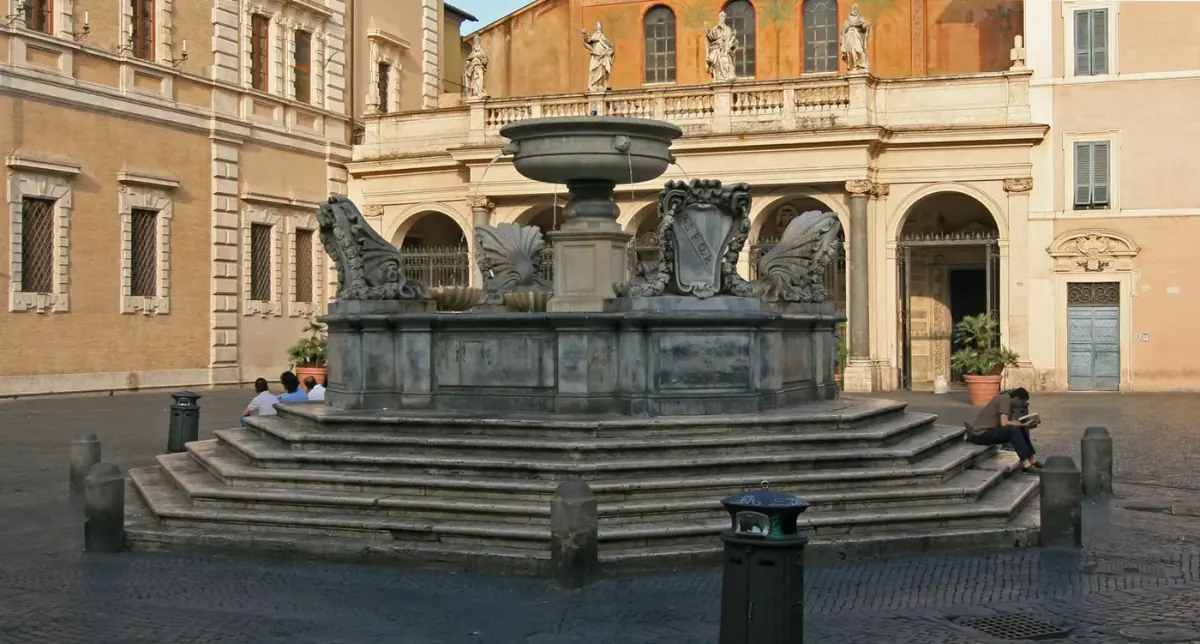

Rome’s much-loved neighbourhood of narrow, ivy-covered streets and small restaurants. Ideal for dinner.
Why go? Ivy-clad walls, laundry-hung balconies and narrow cobbled streets make this one of Rome’s most distinctive neighbourhoods. In the evenings, trattoria tables spilling onto the streets give a wonderful glimpse of local life.
Visit summary
- Area: Trastevere and surroundings
- Highlight: Ivy-covered streets and trattorias
- Suggested visit length: About 2–3 hours
- Type of visit: Neighbourhood walk
- Admission: Free (outdoors)
- Open map: Search for this place on Google Maps
Santa Maria in Trastevere
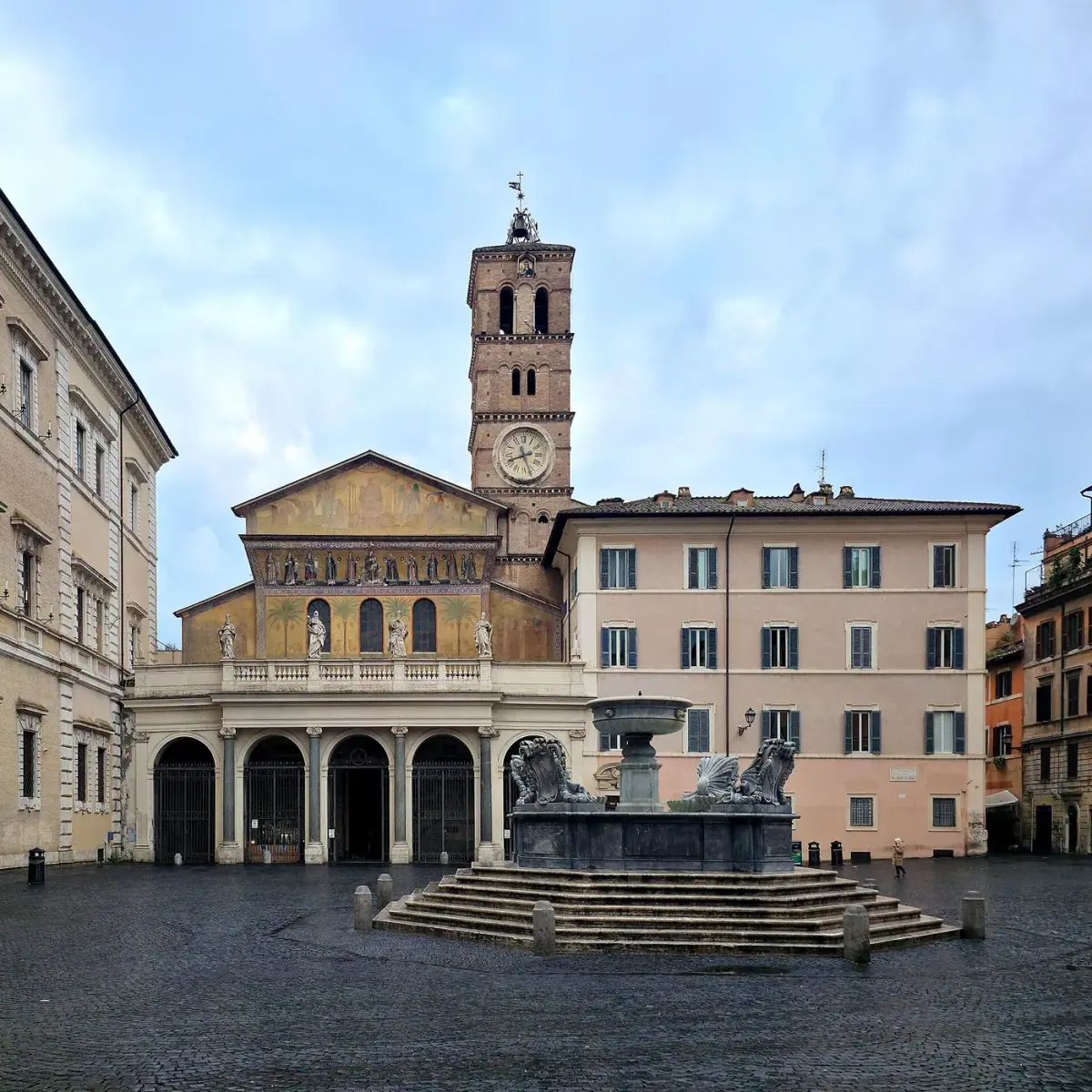

The basilica at the neighbourhood’s heart. Its gold-ground mosaics are very impressive.
Why go? Gold-ground mosaics glow in candlelight in one of Rome’s oldest churches. Sitting on the fountain steps in the square outside and watching the neighbourhood’s evening life is another pleasure.
Visit summary
- Area: Trastevere and surroundings
- Highlight: Gold-ground mosaics
- Suggested visit length: About 20 minutes
- Type of visit: Indoors
- Admission: Free
- Open map: Search for this place on Google Maps
Janiculum Hill
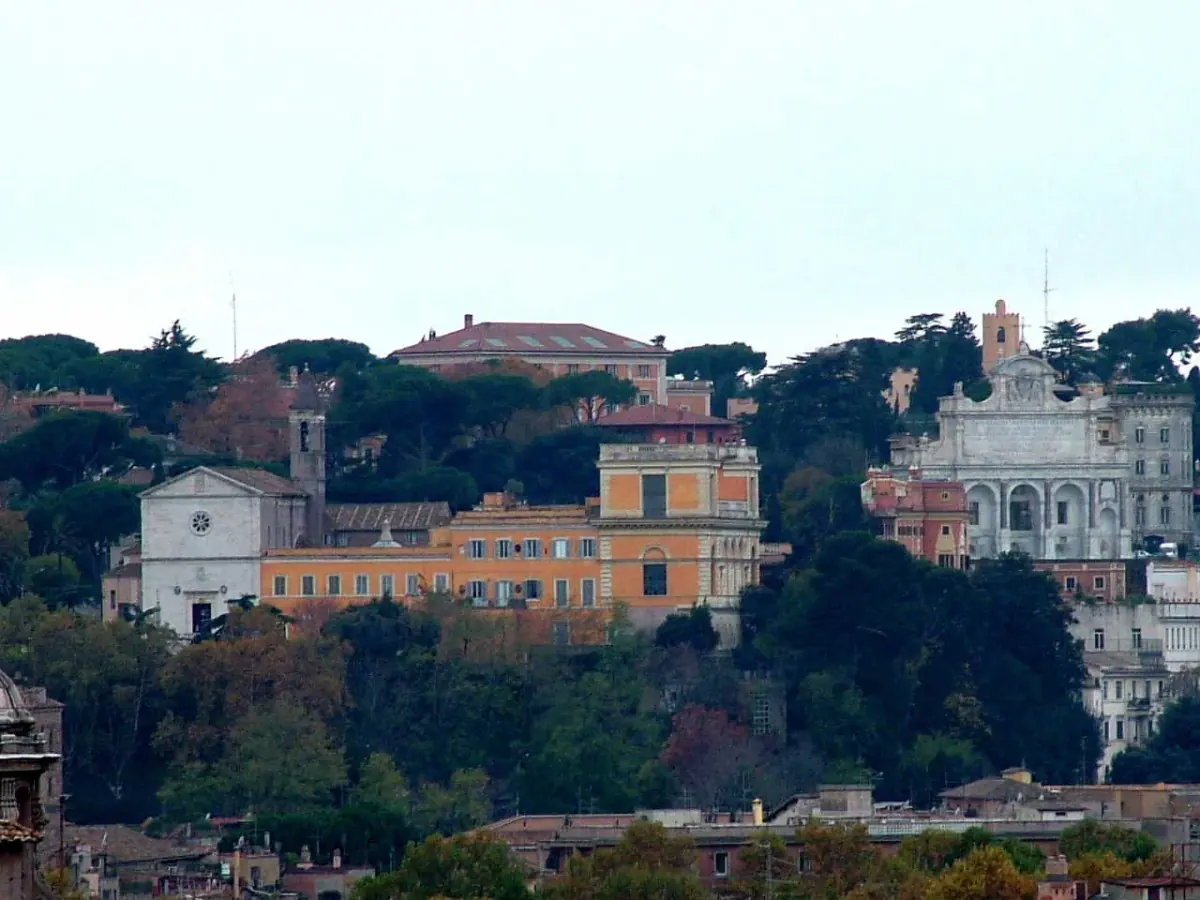

A terrace offering panoramic views over Rome from above. Beautiful at sunset.
Why go? Outside the seven hills, this hill gives one of the best views of Rome, with the whole city of domes at your feet. The daily noon cannon shot and puppet shows attract children’s attention.
Visit summary
- Area: Trastevere and surroundings
- Highlight: Panoramic Rome views
- Suggested visit length: About 30–45 minutes
- Type of visit: Outdoors / viewpoint
- Admission: Free (outdoors)
- Open map: Search for this place on Google Maps
Garibaldi Bridge and Tiber Island
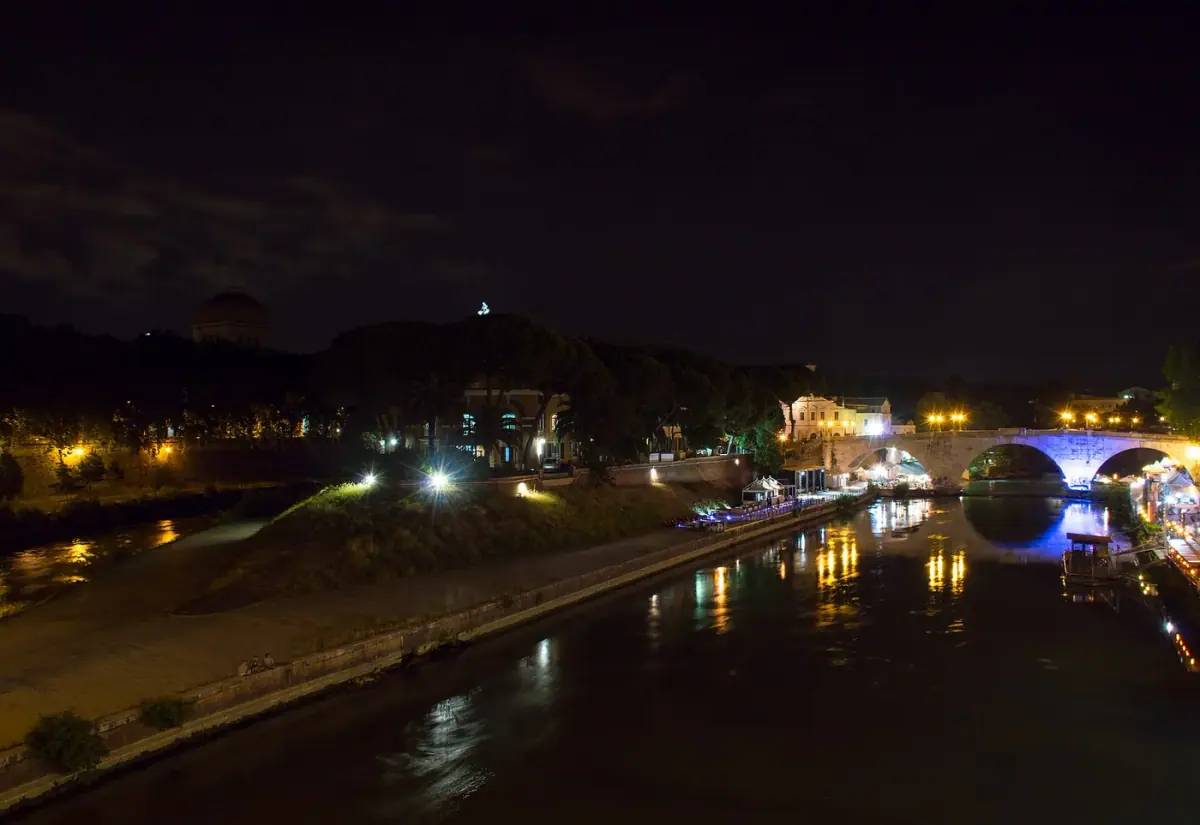

A bridge across the Tiber and the small island beside it. A lovely stop for a riverside walk.
Why go? This small, boat-shaped island in the middle of the Tiber has been known as a place of healing since antiquity. Descending to the riverbank and walking beneath trees makes a quiet break after the busy centre.
Visit summary
- Area: Trastevere and surroundings
- Highlight: Riverside and small island
- Suggested visit length: About 30 minutes
- Type of visit: Riverside walk
- Admission: Free (outdoors)
- Open map: Search for this place on Google Maps
Monti, Esquilino and Lateran
Basilica of Santa Maria Maggiore
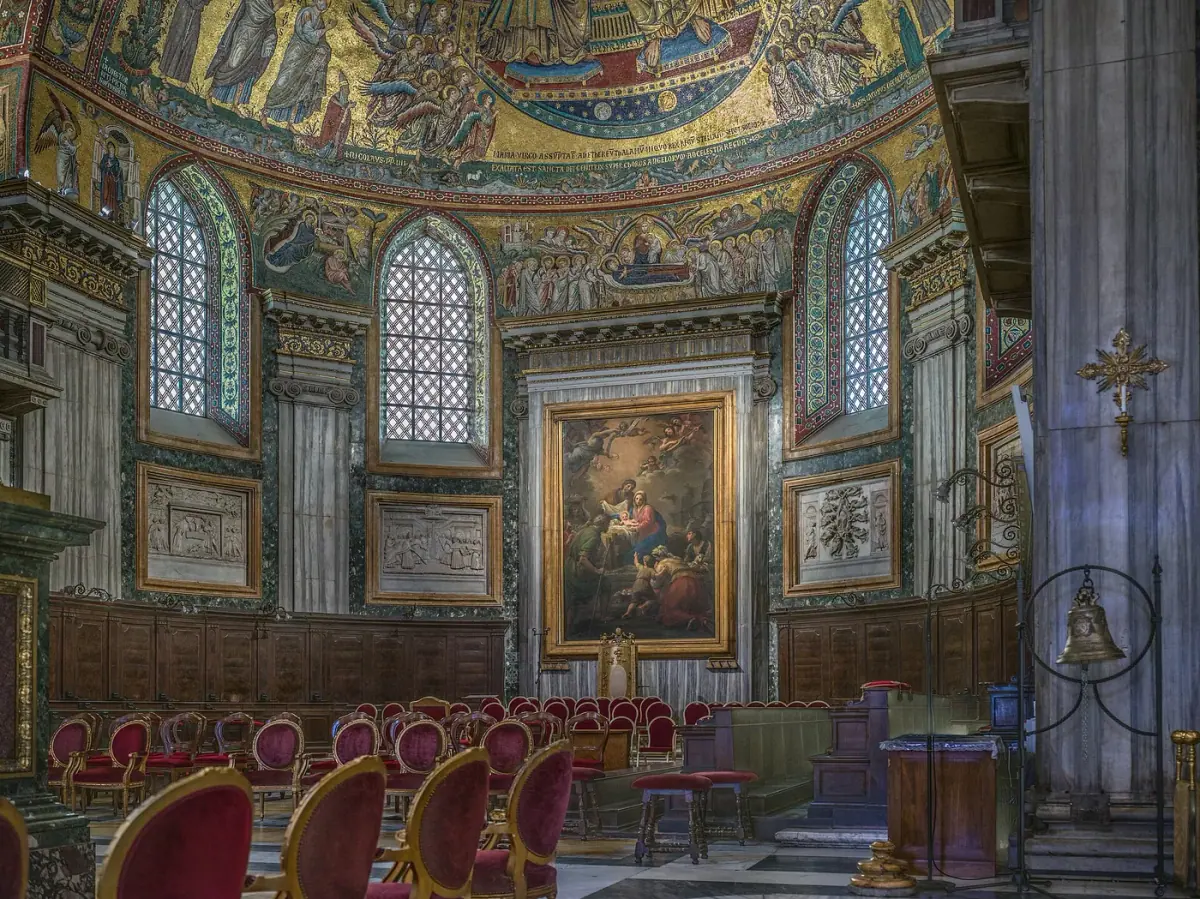

One of Rome’s four major basilicas. Famous for its gilded ceiling and mosaics.
Why go? One of Rome’s four major basilicas, with fifth-century mosaics and a ceiling said to be gilded with the first gold Columbus brought from America. Close to Termini, it is easy to include even on a train travel day.
Visit summary
- Area: Monti, Esquilino and Lateran
- Highlight: One of the four major basilicas, with a gilded ceiling
- Suggested visit length: About 30 minutes
- Type of visit: Indoors
- Admission: Free
- Open map: Search for this place on Google Maps
Santa Maria degli Angeli e dei Martiri
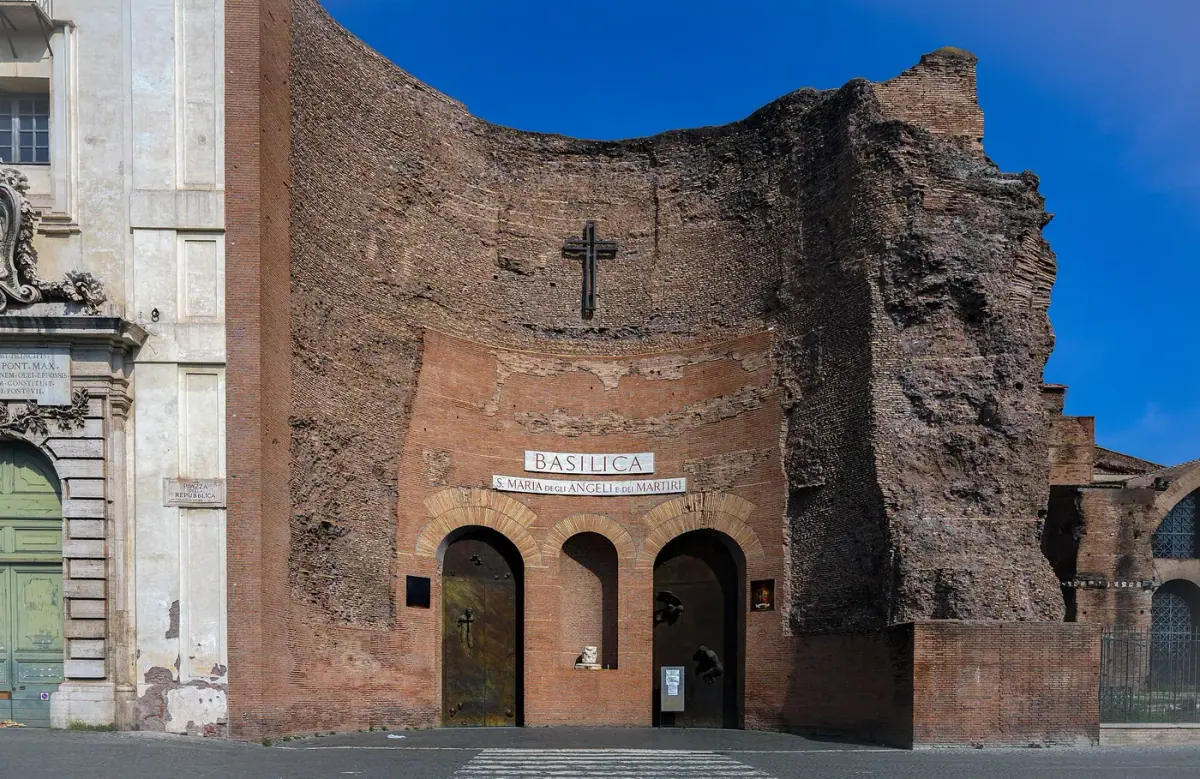

A church built into the remains of ancient Roman baths. The long meridian line in the floor is an interesting detail.
Why go? Michelangelo transformed the huge hall of the ancient Baths of Diocletian into this church. Watching where the light falls along the floor’s long sundial line at noon offers children an interesting science lesson.
Visit summary
- Area: Monti, Esquilino and Lateran
- Highlight: Church built inside ancient baths
- Suggested visit length: About 20 minutes
- Type of visit: Indoors
- Admission: Free
- Open map: Search for this place on Google Maps
Santa Maria della Vittoria
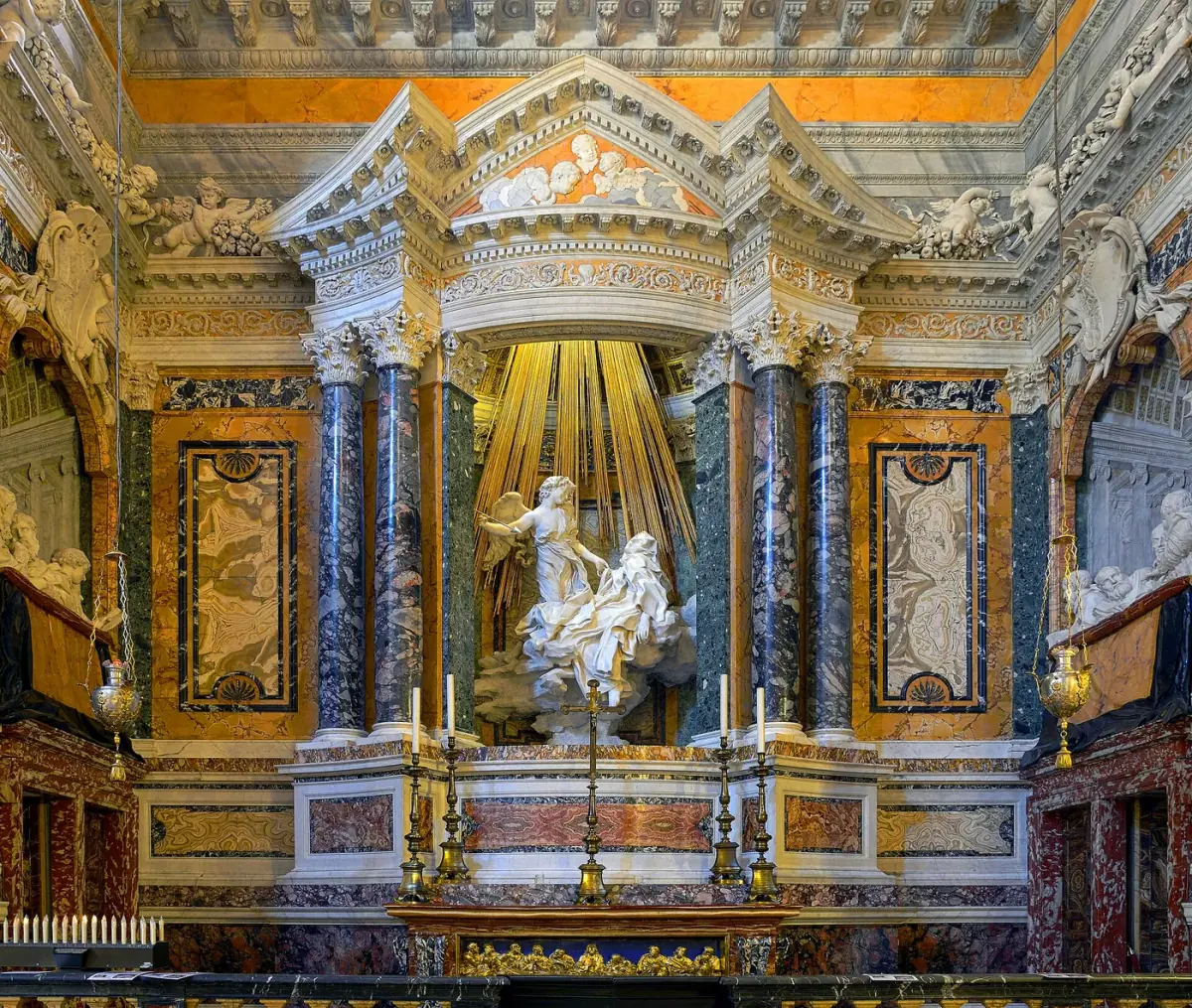

A small but very ornate church. Bernini’s famous Ecstasy of Saint Teresa is here.
Why go? This small church holds Bernini’s most controversial and impressive sculpture, the Ecstasy of Saint Teresa. Its chapel, arranged like a theatre stage, conveys Baroque art’s dramatic power in minutes.
Visit summary
- Area: Monti, Esquilino and Lateran
- Highlight: Bernini’s Saint Teresa sculpture
- Suggested visit length: About 15 minutes
- Type of visit: Indoors
- Admission: Free
- Open map: Search for this place on Google Maps
Scala Santa (Holy Stairs)
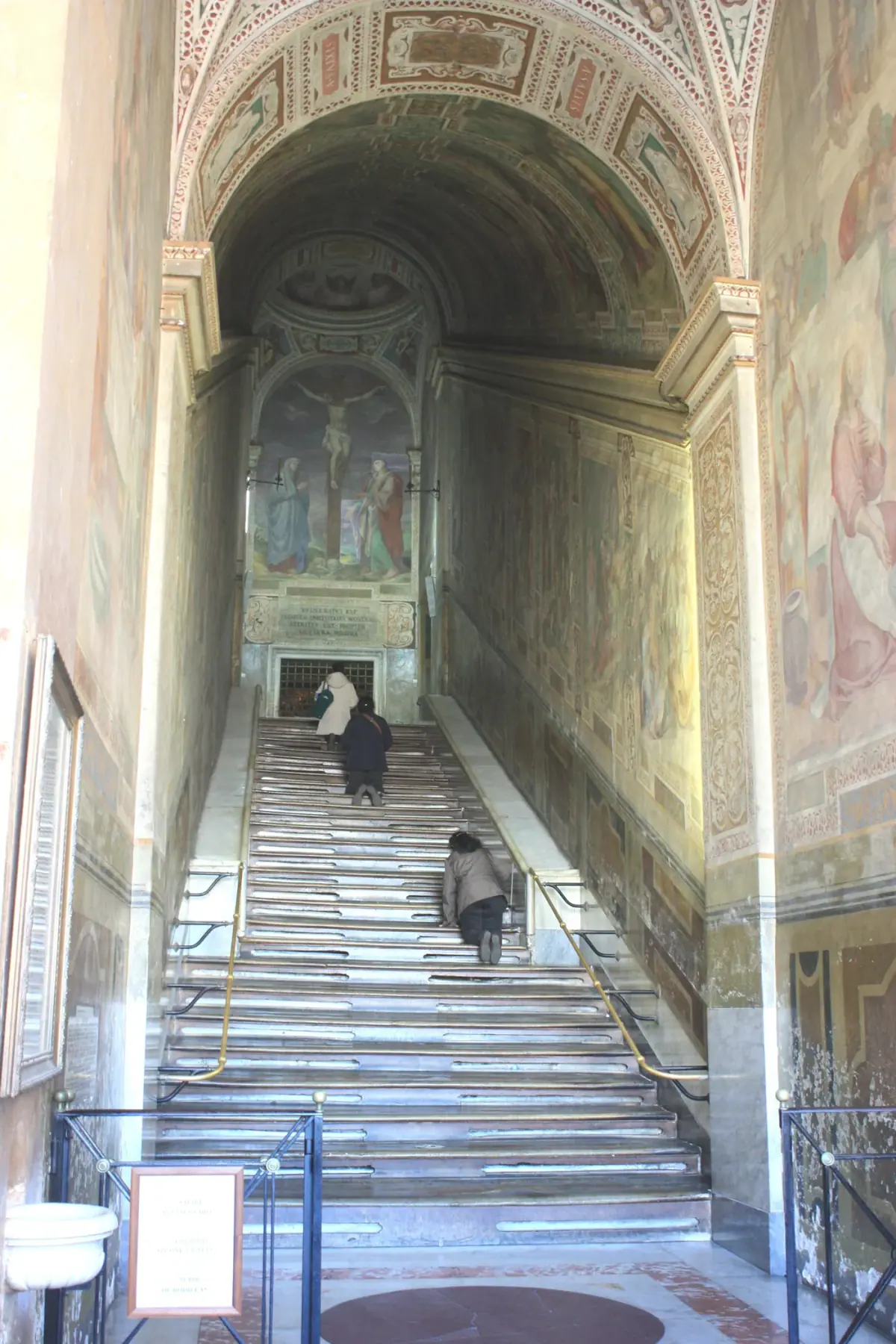

The site of the steps believed to have been climbed by Jesus on his way to trial. Believers ascend on their knees.
Why go? Believed to have been climbed by Jesus on his way to trial, these 28 steps have been ascended on pilgrims’ knees for centuries. An impressive place to witness religious history and people’s devotion.
Visit summary
- Area: Monti, Esquilino and Lateran
- Highlight: Holy stairs climbed on one’s knees
- Suggested visit length: About 20–30 minutes
- Type of visit: Indoors
- Admission: The stairs are free; the Sancta Sanctorum chapel above charges admission.
- Open map: Search for this place on Google Maps
Basilica of San Giovanni in Laterano
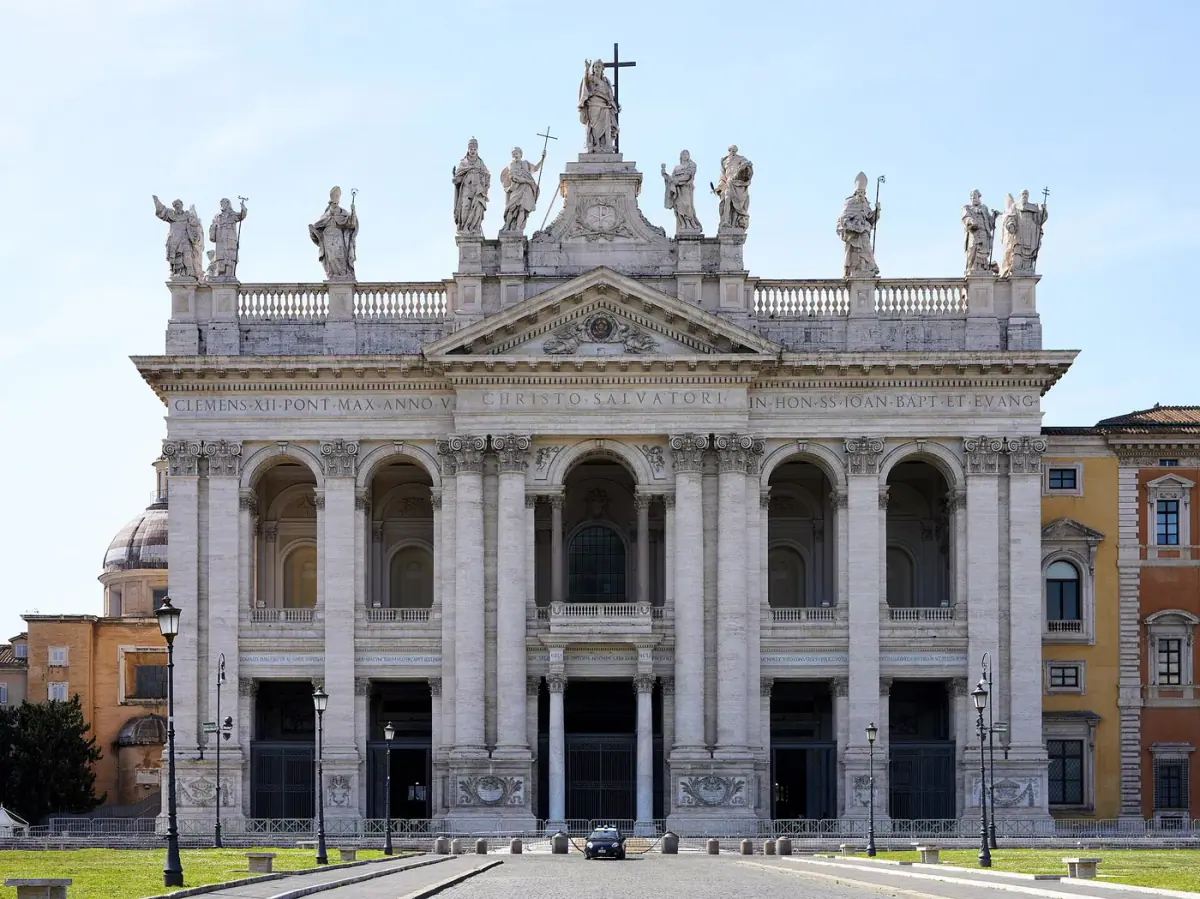

Rome’s cathedral and one of its four major basilicas. The enormous façade statues are very impressive.
Why go? Rome’s actual cathedral and the popes’ official church for a thousand years. With enormous statues on the façade and the twelve apostles inside, it is as grand as St Peter’s but much quieter.
Visit summary
- Area: Monti, Esquilino and Lateran
- Highlight: Rome’s cathedral
- Suggested visit length: About 45 minutes
- Type of visit: Indoors
- Admission: The basilica is free; the cloister charges admission.
- Open map: Search for this place on Google Maps
Food and drink stops
The purple markers on our map. We tried them all and recommend every one with confidence. We have added each place’s speciality and average price; prices are approximate. A gelato break is an essential part of exploring Rome with children.
| Place | Known for | Average price (per person) | Location |
|---|---|---|---|
| Tonnarello | Paglia | Tonnarelli pasta served in a pan (cacio e pepe, pomodoro e basilico). We had pesto pasta, lasagne and strawberry panna cotta; book ahead. | ~€10–25 | Open map |
| All’Antico Vinaio | Huge schiacciata sandwiches with generous fillings | Up to ~€10 | Open map |
| Ditta Trinchetti | Roman classics, especially cacio e pepe | ~€10–25 | Open map |
| da Fortunata | Fresh pasta made by hand in the window; cacio e pepe and fresh pasta with tomato sauce | ~€10–25 | Open map |
| Trattoria Antonio | Pasta with black and white truffles (adding truffle increases the price) | ~€10–25 | Open map |
| Pizzeria La Boccaccia | Pizza slices sold by weight (pizza al taglio); a quick, affordable family lunch. | Up to ~€10 | Open map |
| Nannarella | Roman-style artichokes and cacio e pepe. We had fried artichoke flower and pasta. | ~€10–25 | Open map |
| Ristorante Dillà | Truffle pasta | ~€10–25 | Open map |
| La Nuova Piazzetta | Homemade pasta and lasagne; a few minutes from the Colosseum | ~€10–25 | Open map |
| Sciascia Caffè 1919 | Espresso in a cup coated with melted chocolate (caffè al cioccolato) | Up to ~€10 | Open map |
| Mr. 100 Tiramisù | Dozens of tiramisu varieties | Up to ~€10 | Open map |
| Two Sizes | Tiramisu in two sizes: classic, pistachio and seasonal varieties | Up to ~€10 | Open map |
| Regoli Pasticceria | Maritozzo, the cream-filled Roman bun | Up to ~€10 | Open map |
| Roscioli Caffè Pasticceria | Maritozzo, biscuits and espresso at the counter | Up to ~€10 | Open map |
| Come il Latte | Our pick for Rome’s best gelateria; warm chocolate poured inside the cone. | Up to ~€10 | Open map |
| Frigidarium | Gelato served dipped in chocolate | Up to ~€10 | Open map |
| Gelateria La Romana | Chocolate-lined cones and creamy gelato | Up to ~€10 | Open map |
| Giolitti gelato | Open since 1900, one of Rome’s best-known gelaterias | Up to ~€10 | Open map |
| Fiordiluna | Small Trastevere gelateria using natural ingredients | Up to ~€10 | Open map |
Open the food plan separately: filter by area and search places →
Rome with children: tips that helped us
- The stroller was our greatest helper: We explored Rome with it throughout. We even put our backpacks on it; it was no burden, but the carrier supporting the trip. Having somewhere for our child to sleep when tired was also a great convenience.
- One area per day: Walking distances in Rome may look short, but add up to kilometres by the end of the day.
- Keep ancient site visits short: The Colosseum, Forum and Palatine are tiring for children. Go early, and bring water and hats.
- Take a park break: Villa Borghese is a wonderful breathing space for children after a day on stone streets.
- Church clothing: Bring something covering shoulders and knees for the Vatican and major basilicas.
- Drink from the fountains: Water from Rome’s street fountains (nasoni) is drinkable. Refill your bottle and carry on.
After Rome
We travelled by train from Rome to Florence, then on to Venice. To follow the rest of the route, see our Florence travel guide and our Venice travel guide.
Sources and visitor information
Timed tickets are required for the Colosseum, Vatican Museums and Borghese Gallery; they fill up days ahead, particularly in summer. Churches require clothing covering shoulders and knees. Admission prices and opening hours change, so check official websites before visiting.
The selection of stops comes from our personal My Maps map. Individual location links are Google Maps searches using place names.
- Personal Rome map
- Rome official tourism guide
- Colosseum, Roman Forum and Palatine (official)
- Vatican Museums (official)
- Borghese Gallery (official)
Where we stayed
We spent five nights in Rome at Navona Gold Apartment, booked through Booking.com.
Browse Rome hotels and apartments on Booking.com. With children, we recommend checking walking distance to the centre, a lift and family room options.
Our travel map
A map of the places we visited as a family. Toggle the layers to explore sights and food stops separately.