Venice Travel Guide: Family Walking Routes by Neighbourhood
Family walking routes around San Marco, Rialto, Dorsoduro and Cannaregio in Venice. Plan your visit with the places on our map, visitor notes and photographs.
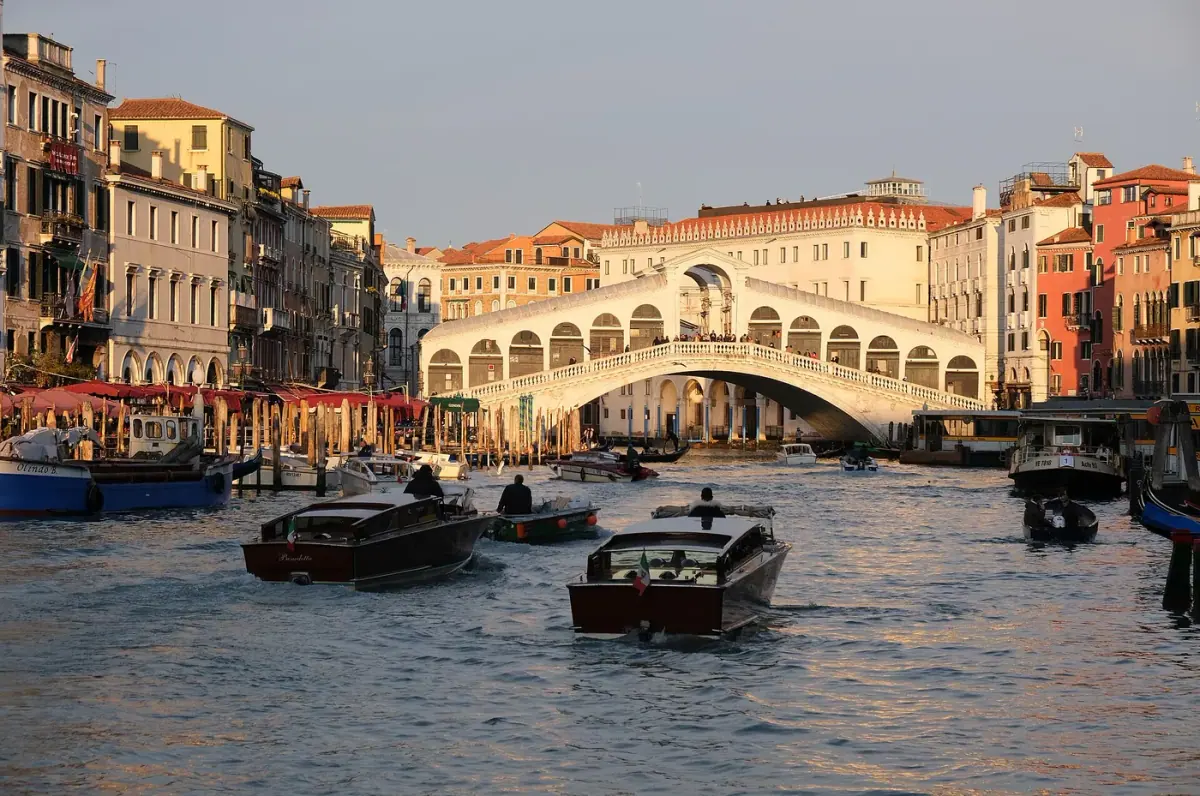
In Venice, even two points that look close on a map may have a canal and several bridges between them. When exploring as a family, grouping stops on the same bank is more useful than simply looking at distances. On our Italy trip, we arrived by train from Florence and spent two nights in Venice. This guide turns the map we made of the places we visited into a manageable plan around San Marco, Castello, Dorsoduro, Rialto and Cannaregio.
San Marco’s monuments and Dorsoduro’s art museums offer different experiences: one focuses on the square and the history of the state, the other on canalsides and collections. We have therefore not made every museum a compulsory part of the itinerary. Start by choosing one main indoor visit for the two-day route, then add other stops according to your interests.
We have also kept the bookshop, workshops and businesses in historic buildings on the map, with separate notes. This Venice map has no separate restaurant list, so we have not brought in food recommendations from other cities. Use the photographs and location links to get to know each stop, and check opening or booking conditions through the relevant official link.
Before you go: key notes
How many days do you need in Venice?
Two days is a good amount of time for San Marco, Rialto and Dorsoduro; we stayed for two nights. Add another day if you want to visit Murano and Burano.
Can you explore Venice with a stroller?
Yes, but most bridges have steps, so you will often need to lift it. Planning a route with fewer bridges and using the vaporetto makes things easier.
Is there an entry fee for Venice?
Day visitors pay a city access fee on certain busy dates; visitors staying overnight in the city are exempt. Check the current calendar on the Venice Municipality website.
Where should you stay in Venice?
Santa Croce and Cannaregio, near the railway station, are practical when arriving with luggage. We stayed at Residenza degli Angeli in Santa Croce.
Plan at a family pace: The days below are suggested itineraries based on the locations on our map. Shorten them to suit the time you spend inside museums and monuments; approximate visit lengths exclude queues and travel.
Suggested itinerary
| Plan | Geographical flow | Family pace |
|---|---|---|
| Day 1: San Marco and Castello | St Mark’s Square → Basilica or Ducale → Bridge of Sighs exterior → San Zaccaria → Giovanni e Paolo | The Arsenal and Rimembranze Park extend the same eastern route; leave them for another time if you are tired. |
| Day 2: Dorsoduro and Rialto | Salute → Peggy Guggenheim or Ca’ Rezzonico → Accademia → San Trovaso → Campo Santa Margherita; then cross where convenient to Frari and Rialto | Finish one neighbourhood rather than zigzagging over bridges. Cannaregio and the Ghetto are options with extra time. |
Tickets and tours: Timed tickets for popular attractions such as the Doge’s Palace and gondola rides can sell out in advance. Browse Venice tickets and tours on Tiqets to compare skip-the-line admission and guided tours.

Feel free to use my photos, but please mention me as the author and send me a message.
This image is not in the public domain. Please respect the copyright protection. It may only be used according to the rules mentioned here. This specifically excludes use in social media, if applicable terms of the licenses listed here not appropriate.
Please do not upload an updated image here without consultation with the Author. The author would like to make corrections only at his own source. This ensures that the changes are preserved.Please if you think that any changes should be required, please inform the author.Otherwise you can upload a new image with a new name. Please use one of the templates derivative or extract. · CC BY-SA 3.0 (resized)

Feel free to use my photos, but please mention me as the author and send me a message.
This image is not in the public domain. Please respect the copyright protection. It may only be used according to the rules mentioned here. This specifically excludes use in social media, if applicable terms of the licenses listed here not appropriate.
Please do not upload an updated image here without consultation with the Author. The author would like to make corrections only at his own source. This ensures that the changes are preserved.Please if you think that any changes should be required, please inform the author.Otherwise you can upload a new image with a new name. Please use one of the templates derivative or extract. · CC BY 3.0 (resized)
Where to stay in Venice with kids
We stayed 2 nights at Residenza degli Angeli in Venice. With kids, where your hotel is decides how often you’ll say “shall we head back?”; being able to return for a midday break is a big relief.
| Area | Good for | Watch out | Stay |
|---|---|---|---|
| Cannaregio | Arriving by train: fewer bridges to cross from Santa Lucia station | 20–30 minutes’ walk to San Marco | See on Booking |
| San Marco | Staying closest to the square and the main sights | The priciest and busiest area | See on Booking |
| Castello | Families wanting quiet streets and the Giardini park | Far from the station; you need the vaporetto | See on Booking |
| Dorsoduro | Museums and a more local feel | Bridge steps can be tiring with a stroller | See on Booking |
| Mestre (mainland) | Keeping to a budget; 10 minutes by train | Not on the island; plan your evening return | See on Booking |
What we look at when choosing: A lift (does the stroller fit without folding?), being close to the train or metro, a family room for three or an apartment with a kitchen, and air conditioning in summer.
Accommodation: Compare hotels and apartments in Venice on Booking.com; choosing free cancellation keeps your plans flexible.
Contents
- Before you go: key notes
- Where to stay in Venice with kids
- San Marco and the palace area
- Castello and the eastern waterfront
- Dorsoduro and the art museums
- San Polo and Rialto
- Cannaregio
- Food and drink stops
- Sources and visitor information
San Marco and the palace area
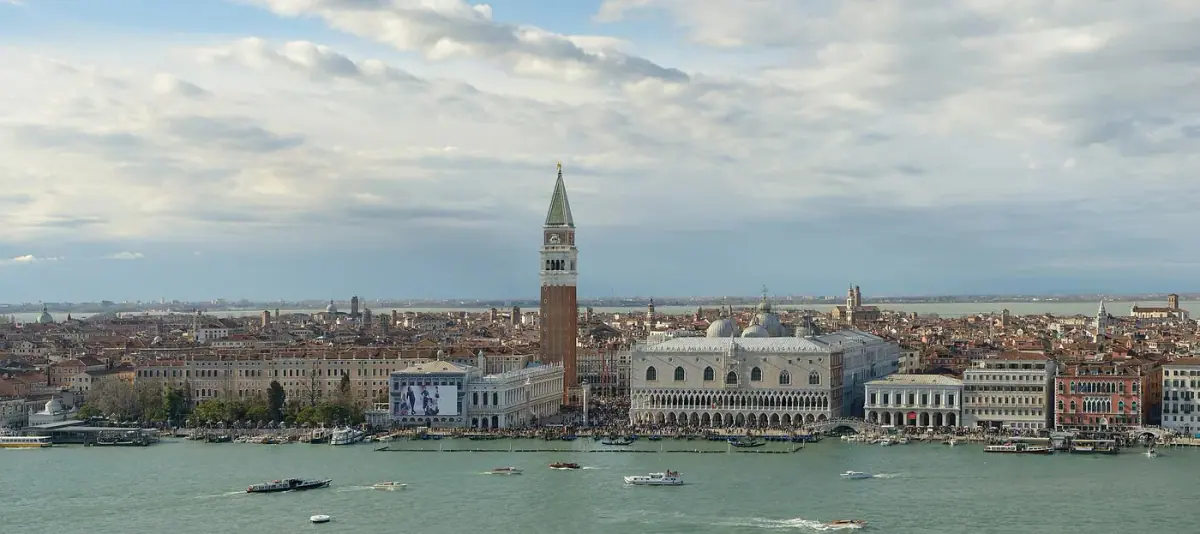
St Mark’s Square
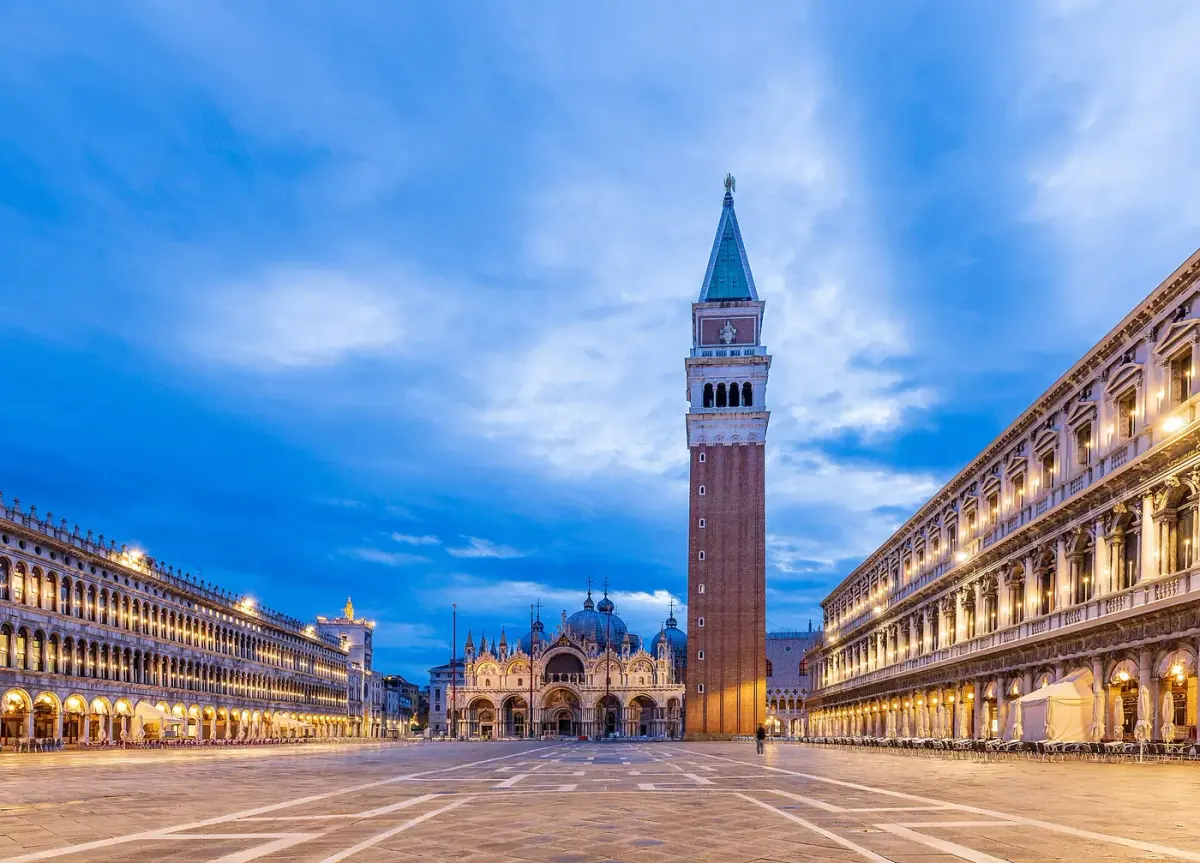

At San Marco, the basilica, palace area and long façades around the square create a powerful urban scene together. On your first circuit, look at the whole square from both ends rather than heading straight to individual entrances; this helps you understand where each building stands. With children, choosing a meeting and rest point is useful, rather than constantly changing direction in the crowds.
The basilica, Ducale and Clock Tower are separate visits. Exploring the square does not mean entering them all; simplify the day by choosing one main interior. Information source.
Why go? Napoleon called this square “Europe’s finest drawing room”; it is surrounded by the basilica, bell tower and arcaded buildings. Standing here early in the morning, before the crowds arrive, lets you experience Venice’s magic at its purest.
Visit summary
- Area: San Marco and the palace area
- Highlight: Venice’s civic and monumental centre
- Suggested visit length: About 30–45 minutes
- Type of visit: Outdoor walk
- Admission: Free (outdoors)
- Nearby stops: St Mark’s Clock Tower, St Mark’s Basilica
- Open map: Search for this place on Google Maps
St Mark’s Clock Tower
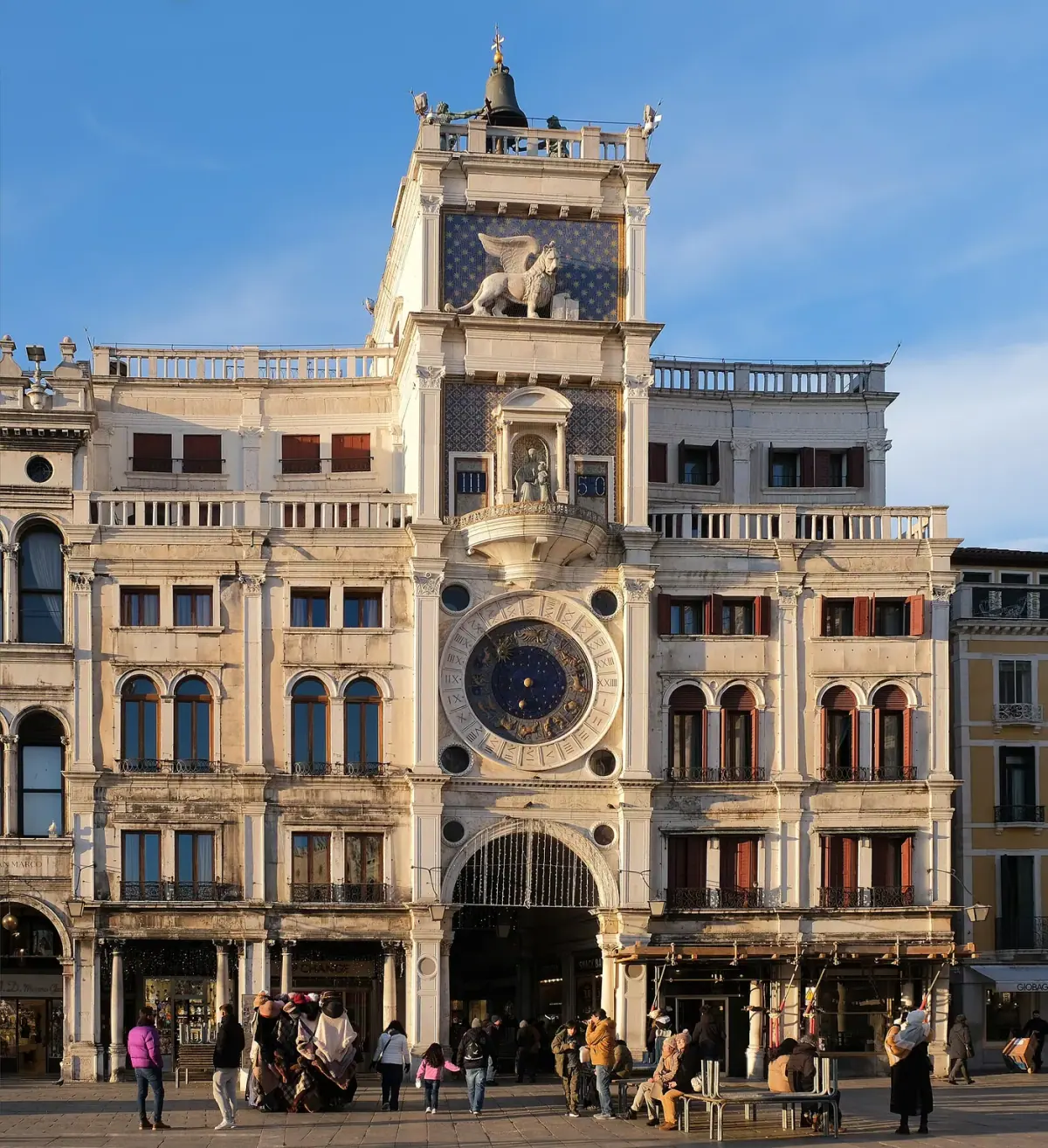

Looking at the Clock Tower from the square and joining a guided tour to see its mechanism are different experiences. You can examine the clock face and the building’s relationship with the passageway from outside. Do not plan it as a standalone viewing tower that you can enter at any time.
Check booking, age and access requirements through the official MUVE programme. With a young child, seeing the exterior may be enough; do not automatically add a third long indoor visit alongside the basilica and palace. Information source.
Why go? Two bronze figures above the blue-and-gold clock face have been striking the hours with hammers for five hundred years. A guided tour inside the mechanism and views of the square from the terrace can be a great adventure for children.
Visit summary
- Area: San Marco and the palace area
- Highlight: City life and clock mechanism
- Suggested visit length: About 15 minutes outside; 60 minutes with a tour
- Type of visit: Exterior visit / guided tour
- Admission: Paid admission · guided tours only, adults approximately 15 €.
- Nearby stops: St Mark’s Basilica, St Mark’s Square
- Open map: Search for this place on Google Maps
Doge’s Palace (Palazzo Ducale)
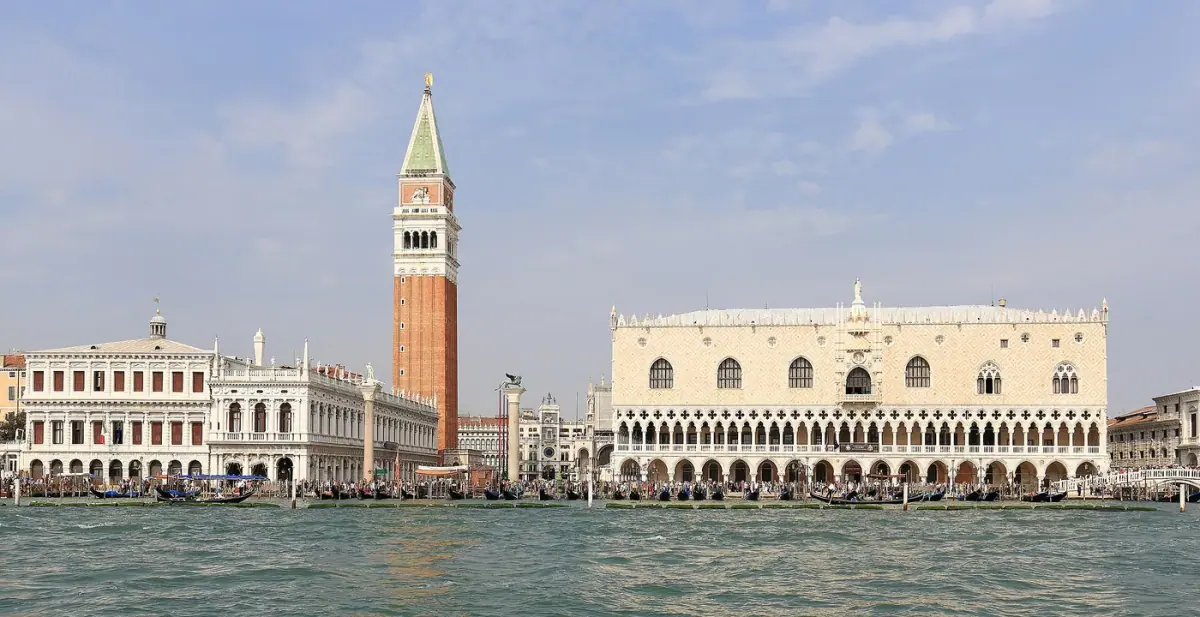

Ducale was not simply a ruler’s residence but a palace bound up with Venice’s system of government. The contrast between its light, arcaded exterior and large state rooms is central to the experience. Considering the rooms’ decoration alongside their political functions makes the long sequence of paintings and ceilings easier to understand.
It works well as the main indoor visit of a family day. Check which route your ticket covers; special tours and standard visits are different. Seeing the Bridge of Sighs from outside can be a separate short stop. After a long palace visit, balance the day with an outdoor walk in Castello. Information source.
Why go? This Gothic palace, where the Venetian Republic was governed for a thousand years, has halls decorated with one of the world’s largest paintings, by Tintoretto. Crossing the Bridge of Sighs and descending into the prisons is the most exciting part of the visit.
Visit summary
- Area: San Marco and the palace area
- Highlight: Venetian government and palace art
- Suggested visit length: About 2–3 hours
- Type of visit: Indoors
- Admission: Paid admission · St Mark’s Square Museums ticket approximately 30–35 € for adults (cheaper online 30 days in advance). Reduced rates for children.
- Nearby stops: Bridge of Sighs (Ponte dei Sospiri), Marciana Library (Biblioteca Marciana)
- Open map: Search for this place on Google Maps
St Mark’s Basilica
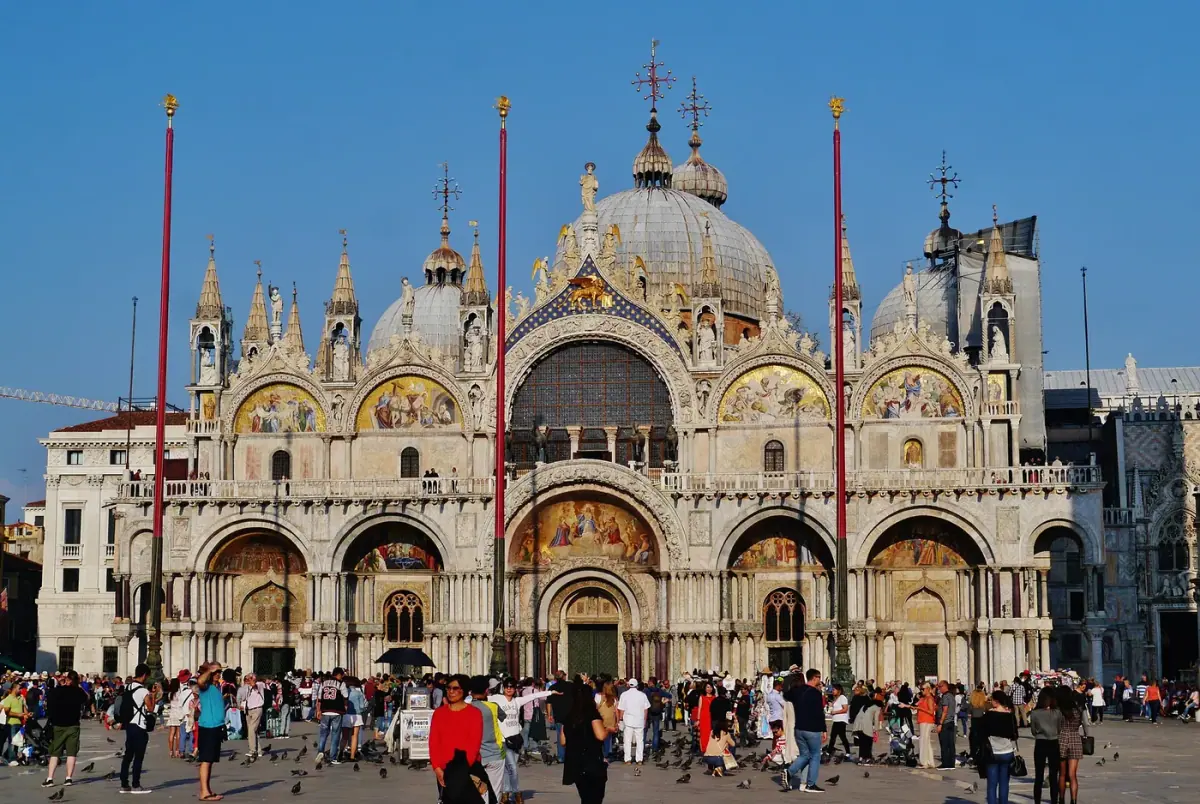

The arches of St Mark’s Basilica’s façade, its domes and the light on its interior surfaces are different parts of the visit. Do not assume that every special section is included in one ticket; check which areas you select in the official ticket system. This is an active place of worship, so tourist access and access for prayer may differ.
With children, focusing on a few mosaics and architectural details is enough. A lengthy tour of all Ducale’s rooms on the same day can be tiring; choose one as your main visit according to your family’s interests. Seeing the façade from different points in the square is also an important part of understanding the building. Information source.
Why go? More than eight thousand square metres of golden mosaics turn the whole church into a golden cave when the light catches them. With its Byzantine influences, this building beautifully expresses Venice’s ties with the East.
Visit summary
- Area: San Marco and the palace area
- Highlight: Mosaics and architectural layers
- Suggested visit length: About 60–90 minutes
- Type of visit: Indoors / exterior visit
- Admission: Paid admission · main church approximately 10 €; adding the Pala d’Oro and museum increases the price. Bell tower approximately 15 € extra.
- Nearby stops: St Mark’s Clock Tower, Bridge of Sighs (Ponte dei Sospiri)
- Open map: Search for this place on Google Maps
Bridge of Sighs (Ponte dei Sospiri)
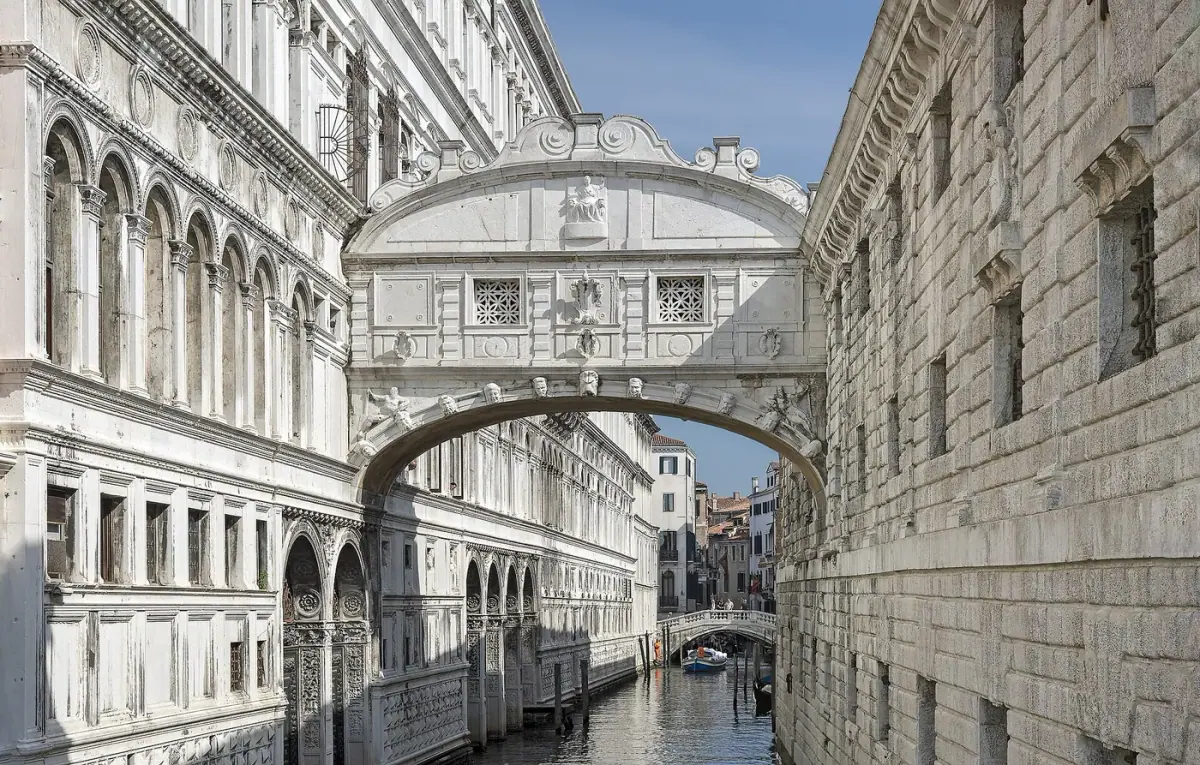

Despite its small scale, the Bridge of Sighs makes the history of justice and imprisonment around the palace tangible. You can see the whole enclosed passage over the canal from a suitable viewpoint outside. You do not have to cross it to appreciate it.
If you want to follow the interior route, check the Ducale ticket coverage. With children, a brief exterior stop can be an alternative to a long palace visit. Focus on the structure’s function rather than repeating romantic stories about its name as historical certainties. Information source.
Why go? This windowed bridge, where prisoners had their last glimpse of Venice on the way to the cells, takes its name from their sighs. Seen from the Ponte della Paglia, it is one of the city’s most recognisable views, with a story to match.
Visit summary
- Area: San Marco and the palace area
- Highlight: Historic link between palace and prison
- Suggested visit length: About 10–15 minutes outside
- Type of visit: Exterior visit / palace route
- Admission: Free from outside; crossing it is included in the Doge’s Palace ticket.
- Nearby stops: Doge’s Palace (Palazzo Ducale), St Mark’s Basilica
- Open map: Search for this place on Google Maps
Marciana Library (Biblioteca Marciana)
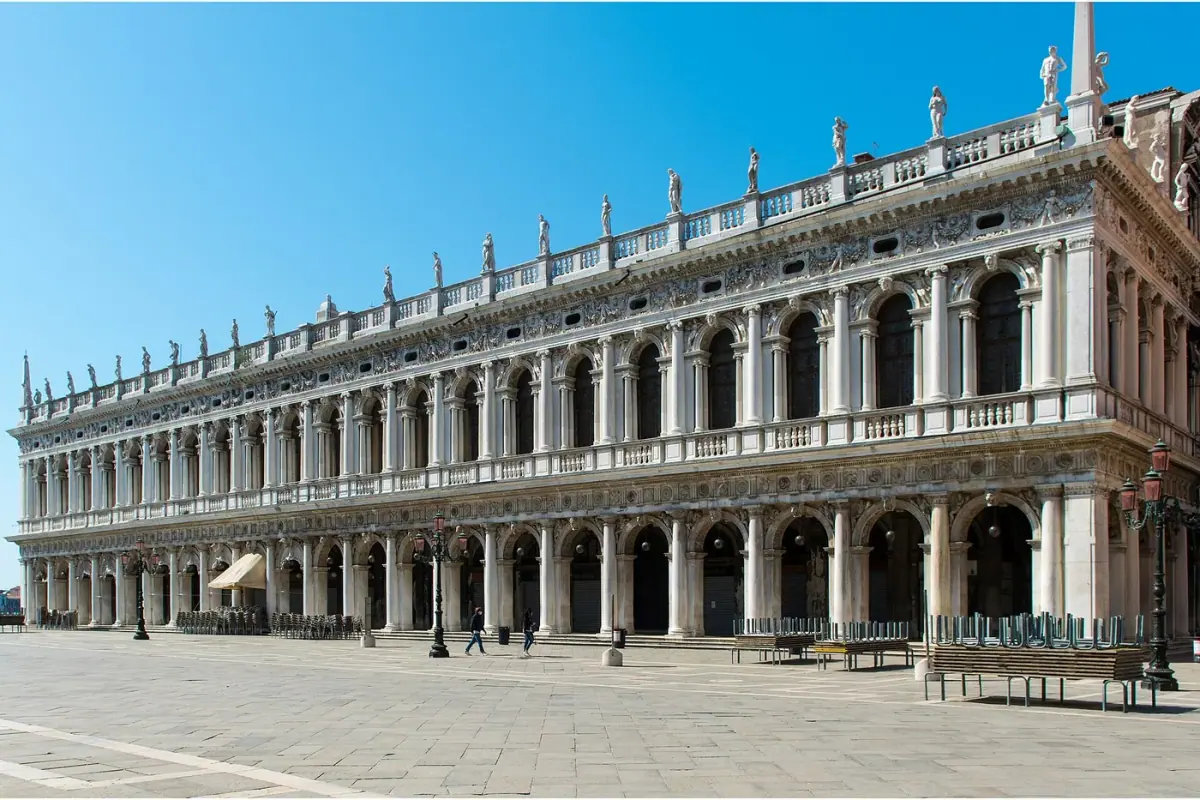

The map’s general “Biblioteca” marker has been identified by its location as the Marciana building near San Marco and is described by its full name here. It is important to distinguish the historic library building from its current use by researchers. Tourist access to the monumental rooms does not mean all reading areas are freely accessible.
A complementary stop for families interested in architecture and the history of books. Check which rooms are open in the official visitor programme; you can also keep it brief by looking at the façade during your walk around the square. Information source.
Why go? Priceless manuscripts and rooms decorated with ceiling paintings inside one of the Renaissance’s most beautiful buildings. A peaceful, grand interior in the middle of the busy square.
Visit summary
- Area: San Marco and the palace area
- Highlight: Learning and architecture around San Marco
- Suggested visit length: About 20 minutes outside; 45–60 minutes including the interior
- Type of visit: Exterior visit / open rooms
- Admission: Free from outside; historic rooms included in the St Mark’s Square Museums ticket.
- Nearby stops: Doge’s Palace (Palazzo Ducale), St Mark’s Square
- Open map: Search for this place on Google Maps
San Vidal Church
San Vidal is a historic building on the San Marco side of the Accademia crossing. Distinguish its church architecture from its current concert use: a ticketed performance is different from a free architectural visit. Check that day’s access and events before entering.
If you are considering a concert as a family, decide according to its length and programme; this map marker does not mean we attended a particular event. You can add a brief exterior look to your walk towards the bridge. Information source.
Why go? Evening Vivaldi concerts in the church keep Venice’s Baroque music tradition alive. Hearing The Four Seasons in the composer’s birthplace could make an unforgettable evening.
Visit summary
- Area: San Marco and the palace area
- Highlight: Music in a historic church
- Suggested visit length: About 15–30 minutes
- Type of visit: Exterior visit / interior subject to programme
- Admission: Free; evening concerts require tickets.
- Nearby stops: La Fenice Theatre, Palazzo Contarini del Bovolo
- Open map: Search for this place on Google Maps
Palazzo Contarini del Bovolo
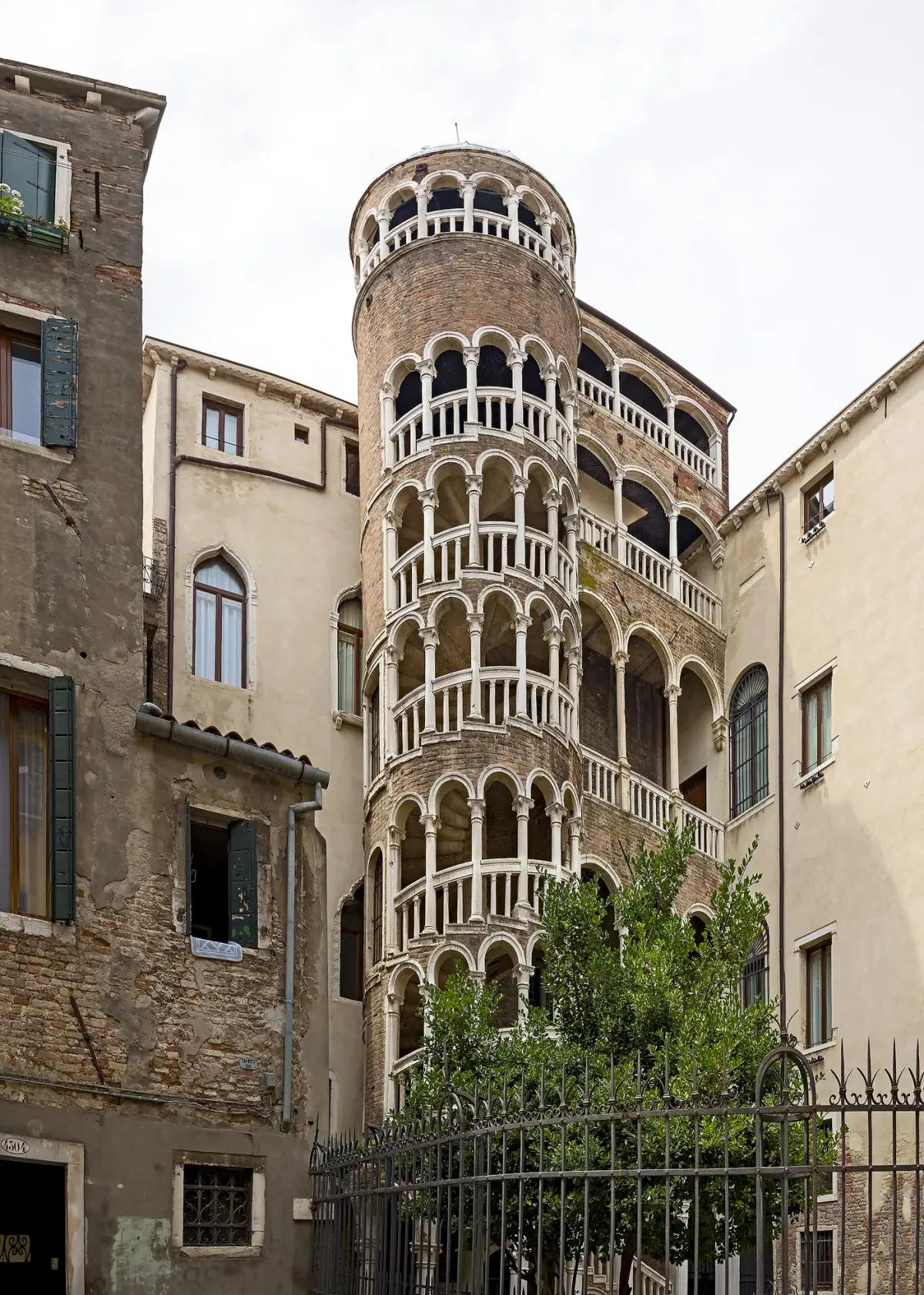

Unlike the grand canal façades, Contarini del Bovolo is an architectural stop known for its spiral staircase. First examine how the staircase was added to the building from outside; climbing it requires a separate decision about effort and tickets. Check the extent of courtyard or tower access in the official programme.
When choosing stair climbs with children, also consider all the bridge steps you have already climbed that day. This can be a detour through the central streets between San Marco and Rialto; there is no need to climb every tower simply for the views. Information source.
Why go? Hidden down a narrow side street, this palace has an external staircase curling like a snail’s shell. Looking over Venice’s red roofs from the top offers one of the city’s lesser-known views.
Visit summary
- Area: San Marco and the palace area
- Highlight: External spiral staircase
- Suggested visit length: About 30–45 minutes
- Type of visit: Exterior visit / ticketed climb
- Admission: Paid admission (spiral staircase climb).
- Nearby stops: La Fenice Theatre, St Mark’s Square
- Open map: Search for this place on Google Maps
La Fenice Theatre
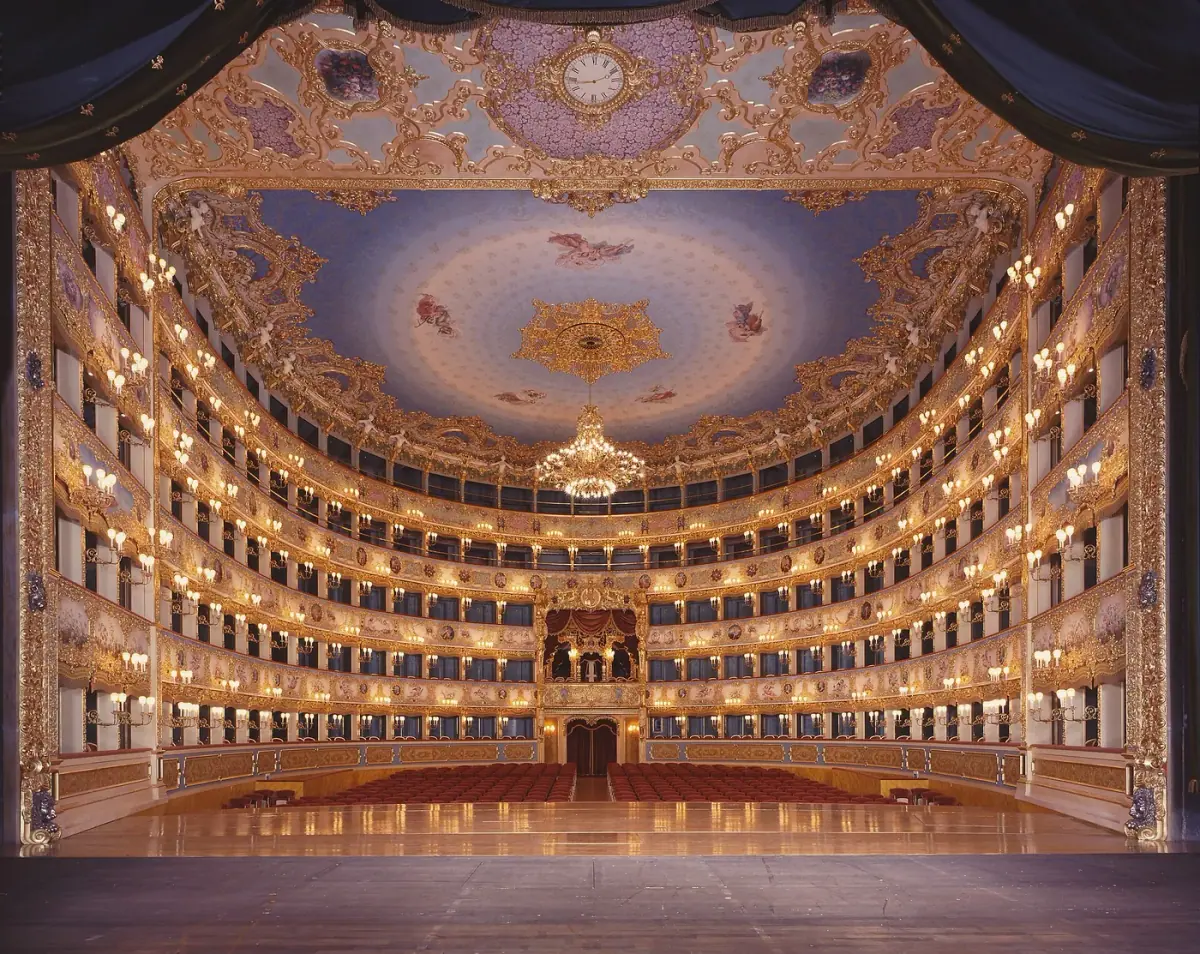

At La Fenice, touring the building and attending a performance are separate options. The auditorium’s decoration, the relationship between stage and audience and the arrangement of tiers make a visit worthwhile for anyone interested in theatre architecture. Access for tours may change on performance or rehearsal days.
A short building tour with children needs different planning from a long opera. Choose the appropriate visit from the official calendar and make it the indoor focus of your walk around San Marco. Information source.
Why go? The opera house, whose name means “phoenix”, has burned several times and risen from the ashes each time. Its gilded auditorium and boxes make it one of the world’s most beautiful opera houses.
Visit summary
- Area: San Marco and the palace area
- Highlight: Venice’s theatre and opera culture
- Suggested visit length: About 45–60 minutes
- Type of visit: Indoors / scheduled performance
- Admission: Paid admission · theatre tour with audio guide; performances require separate tickets.
- Nearby stops: Palazzo Contarini del Bovolo, San Vidal Church
- Open map: Search for this place on Google Maps
Castello and the eastern waterfront
Venetian Arsenal (Arsenale)
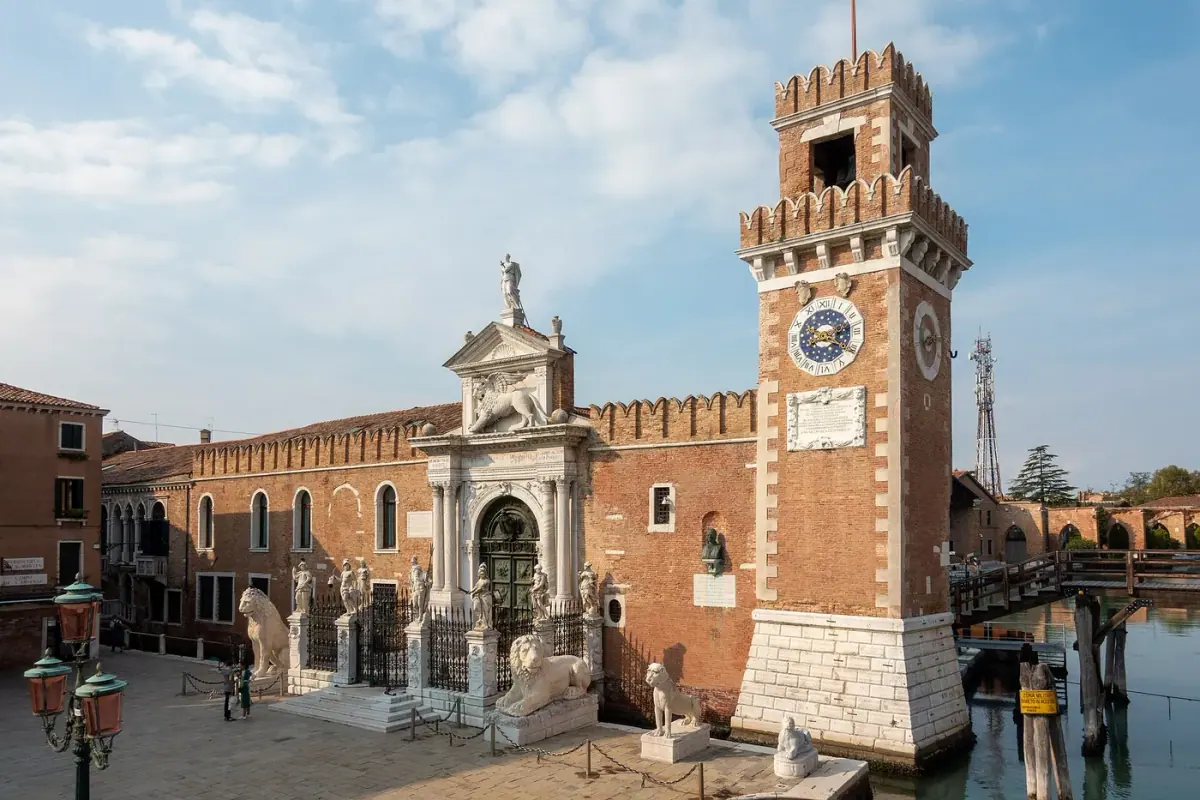

The Arsenale shows Venice’s naval power through production and logistics, as well as its palaces. The entrance area and its relationship with the water give a sense of the old shipyard’s scale within the city. A map marker does not mean that the entire site is freely open every day; exhibitions, events and areas in use may differ.
Allow separate time for this part of Castello. Heading east from San Marco, it can be linked with San Zaccaria; extending the walk to Rimembranze makes for a longer outing. Information source.
Why go? One of the world’s first mass-production facilities, once capable of producing a ship a day. Its gate with lion statues and huge walls explain the source of Venice’s naval power.
Visit summary
- Area: Castello and the eastern waterfront
- Highlight: The maritime republic’s industrial history
- Suggested visit length: About 30–45 minutes around the exterior
- Type of visit: Exterior visit / areas subject to programme
- Admission: Free from outside; interior areas open only during the Biennale and events.
- Nearby stops: San Zaccaria Church, Basilica of Santi Giovanni e Paolo
- Open map: Search for this place on Google Maps
Basilica of Santi Giovanni e Paolo
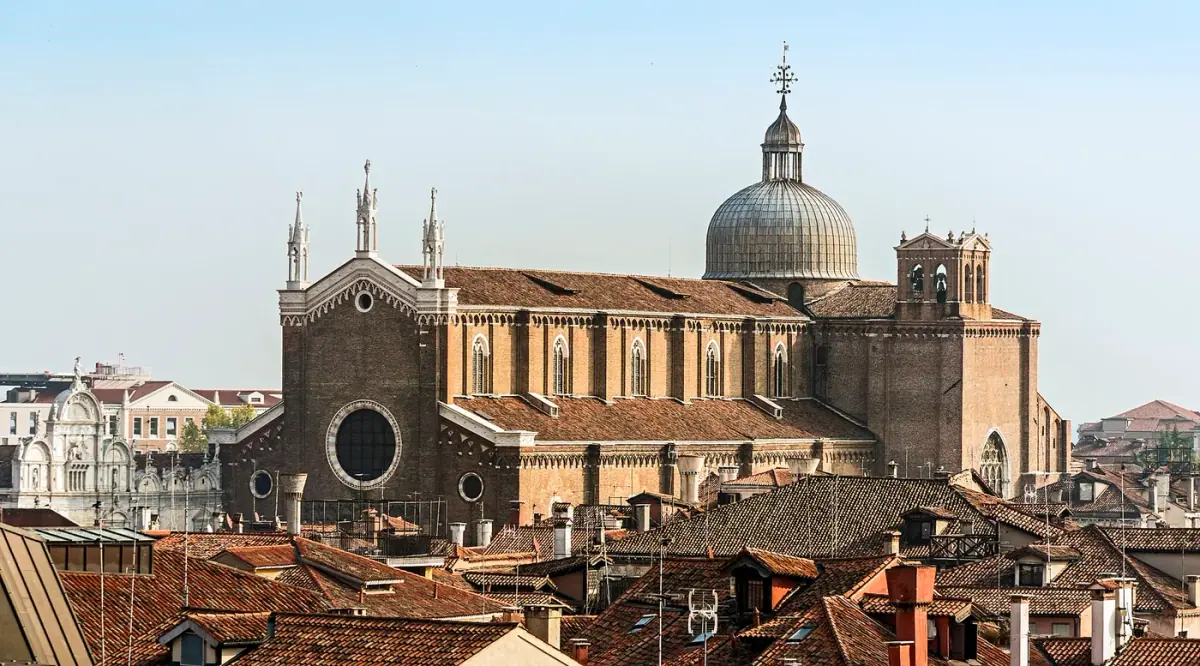

Giovanni e Paolo is one of Venice’s major buildings where religious architecture and state history meet. After taking in the scale of its façade, looking at the arrangement of monuments and tombs inside is more revealing than studying the church plan alone. Check the location so you do not confuse its long name with San Marco or San Zaccaria.
With children, choose a few artworks and architectural details. Combine it with Castello’s narrower streets; do not make every church a compulsory interior visit on the same day. Information source.
Why go? This huge Gothic church, with the tombs of more than twenty-five Venetian doges, is known as “Venice’s Pantheon”. The equestrian statue of Colleoni in the square outside is one of the Renaissance’s most powerful sculptures.
Visit summary
- Area: Castello and the eastern waterfront
- Highlight: Gothic church and monumental tombs
- Suggested visit length: About 45–60 minutes
- Type of visit: Indoors / exterior visit
- Admission: Paid admission.
- Nearby stops: San Zaccaria Church, Venetian Arsenal (Arsenale)
- Open map: Search for this place on Google Maps
San Zaccaria Church
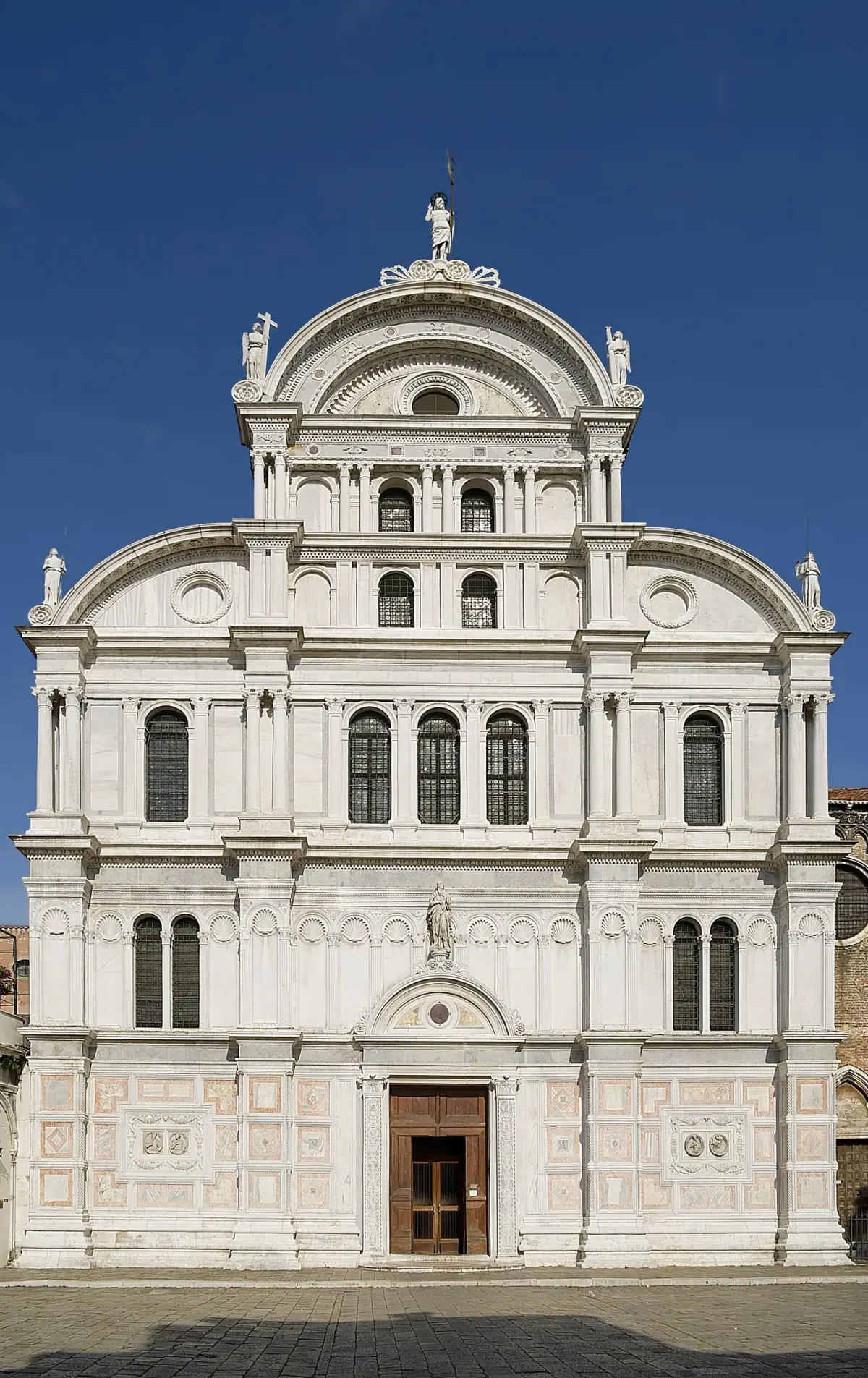

San Zaccaria is a stop for art and religious architecture as you head east from San Marco. Looking at the different character of its façade and interior makes it more than a quick photograph stop. Open sections and access to special areas may change, so do not assume every door is included in the same visit.
A focused, brief interior visit works well for families. Limit your time accordingly if continuing towards the Arsenal; Giovanni e Paolo is a different branch of the wider Castello route. Information source.
Why go? One of Giovanni Bellini’s finest paintings is here, but the real surprise is the medieval crypt, often flooded by rising water. Water reflected between the columns vividly expresses Venice’s relationship with its waters.
Visit summary
- Area: Castello and the eastern waterfront
- Highlight: The church’s painting and architectural layers
- Suggested visit length: About 30–45 minutes
- Type of visit: Indoors / exterior visit
- Admission: Church free; small charge for the flooded crypt.
- Nearby stops: Venetian Arsenal (Arsenale), Basilica of Santi Giovanni e Paolo
- Open map: Search for this place on Google Maps
Parco delle Rimembranze
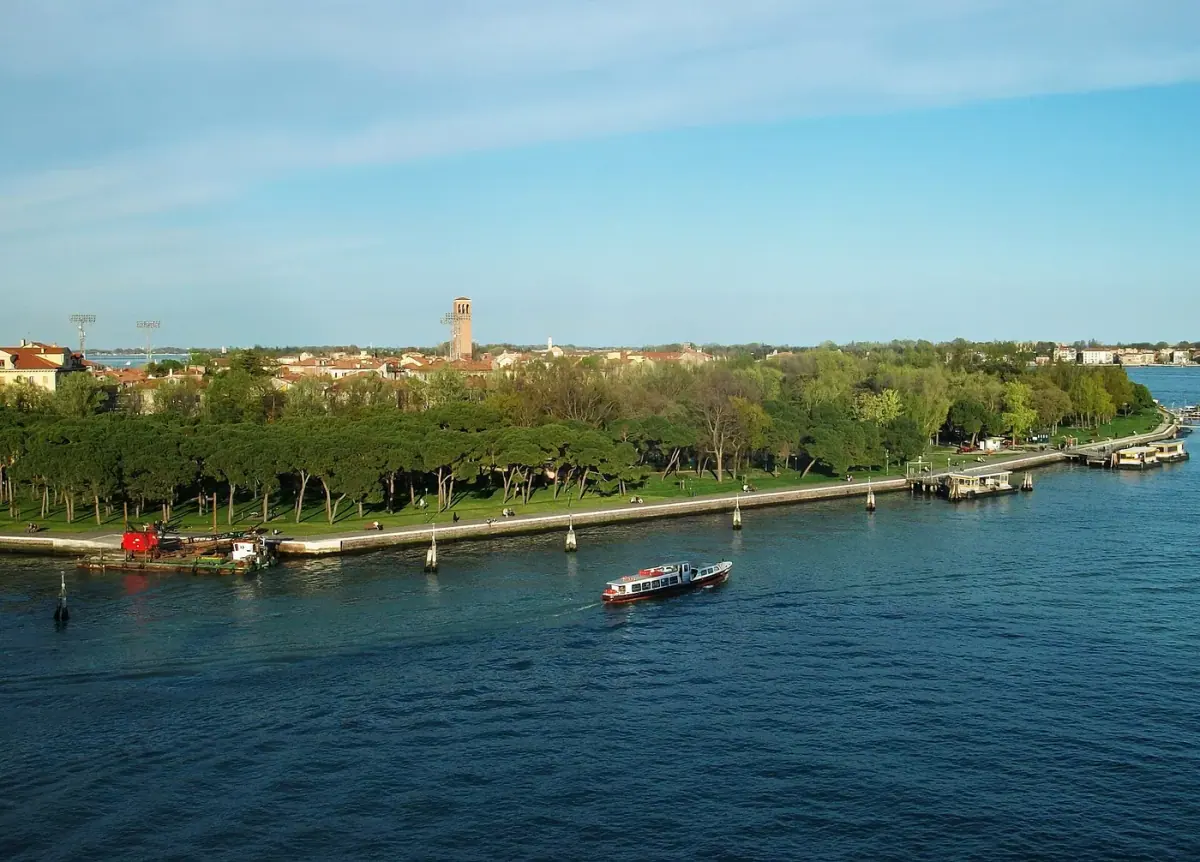

Rimembranze Park offers a more open outdoor space after the centre’s crowded streets and squares. Do not think of this marker as a small garden right beside San Marco; it is a separate walk extending along the eastern waterfront. Trees and the waterside setting offer a different pace from a museum day.
If a rest with children is your priority, choose it as an extension of the Arsenal route. After a long indoor visit in the centre, it is better left as a separate option than a final task to rush to. Information source.
Why go? One of the few green spaces in Venice where children can run around, with pine trees and a quiet waterfront overlooking the lagoon. Ideal for escaping the crowded centre and resting among local families.
Visit summary
- Area: Castello and the eastern waterfront
- Highlight: Green break at the eastern end
- Suggested visit length: About 45–60 minutes
- Type of visit: Outdoor walk
- Admission: Free (outdoors)
- Nearby stops: Venetian Arsenal (Arsenale), San Zaccaria Church
- Open map: Search for this place on Google Maps
Dorsoduro and the art museums
Campo Santa Margherita
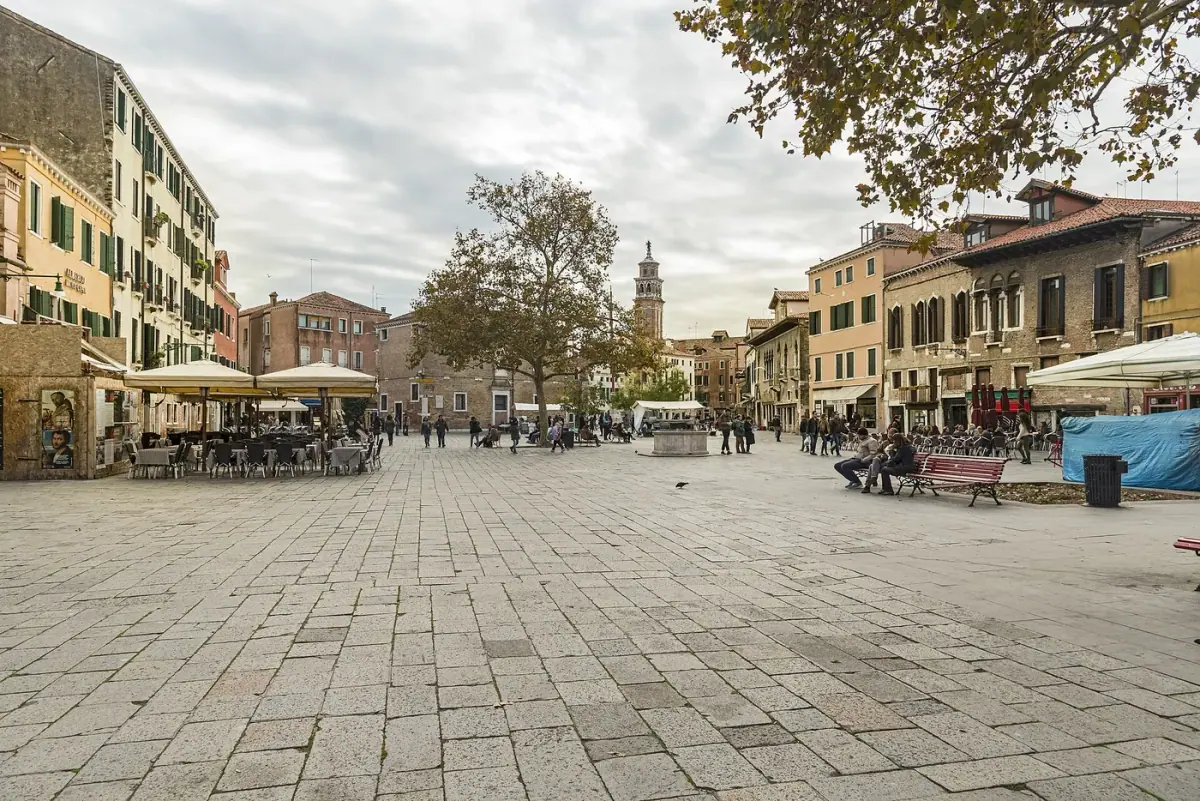

Campo Santa Margherita is a more everyday Venetian space than the grand monumental squares. Watching how the buildings relate to the open space and how streets converge here helps you understand the neighbourhood. This is a stop to observe city life, rather than a list of businesses.
Plan a short break here between indoor visits in Dorsoduro with children. San Pantalon and Ca’ Rezzonico are different branches of the same wider area; check bridge connections on the map as you go. Information source.
Why go? A lively square where students and locals meet and children play ball. One of the best places to see everyday Venice away from the tourist scene.
Visit summary
- Area: Dorsoduro and the art museums
- Highlight: Neighbourhood public life
- Suggested visit length: About 20–40 minutes
- Type of visit: Outdoor walk
- Admission: Free (outdoors)
- Nearby stops: San Pantalon Church, Ca’ Rezzonico
- Open map: Search for this place on Google Maps
San Trovaso Gondola Boatyard (Squero)
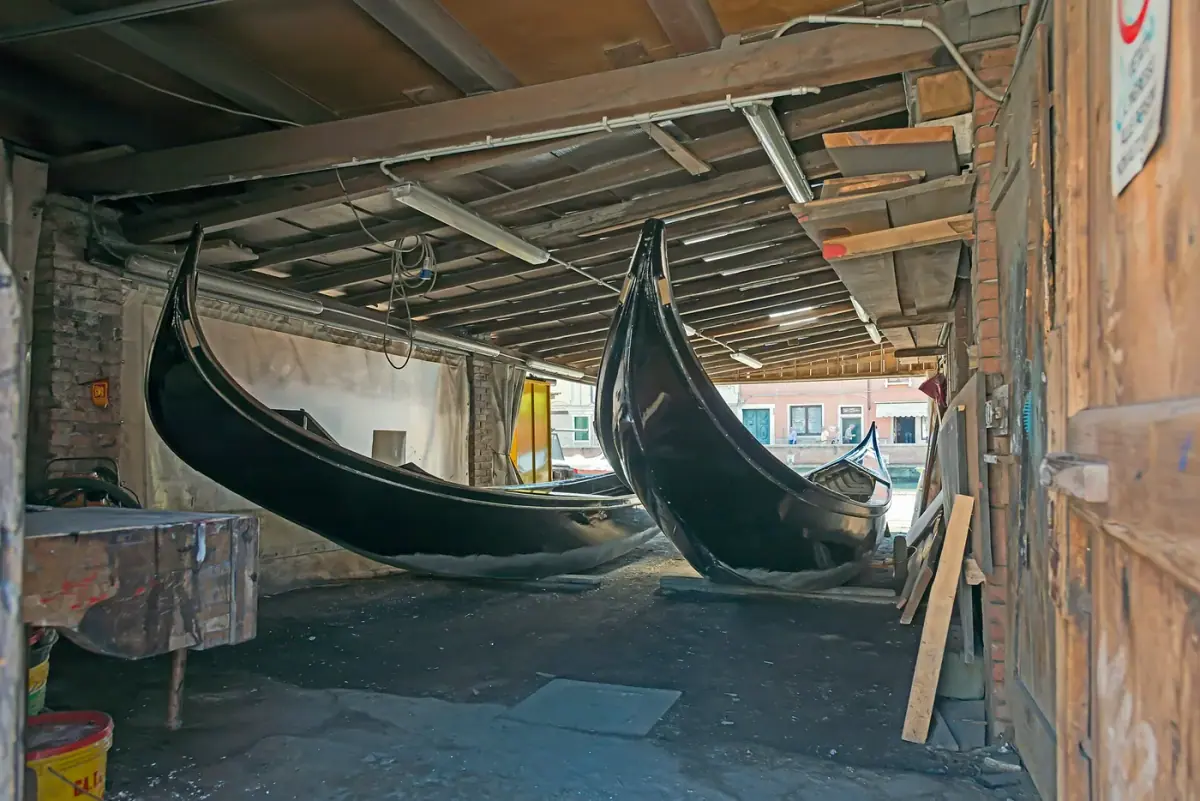

The squero at San Trovaso encourages you to see a gondola as a crafted object needing construction and maintenance, rather than simply a boat on the canal. The main way to visit is to view the workshop area from the opposite bank; do not assume you can enter the work area freely.
A tangible stop for talking with children about how a boat takes shape. We cannot guarantee that workers will always be active or that a particular demonstration will take place. Add it as a short detour from the Accademia walk. Information source.
Why go? Gondolas are still built and repaired by hand in this workshop resembling a wooden chalet. Watching the craftspeople from across the canal reveals how Venice’s symbol comes into being.
Visit summary
- Area: Dorsoduro and the art museums
- Highlight: Living craft of gondola building
- Suggested visit length: About 15–20 minutes
- Type of visit: Exterior visit
- Admission: Free (viewed from outside)
- Nearby stops: Accademia Bridge, Ca’ Rezzonico
- Open map: Search for this place on Google Maps
Accademia Bridge
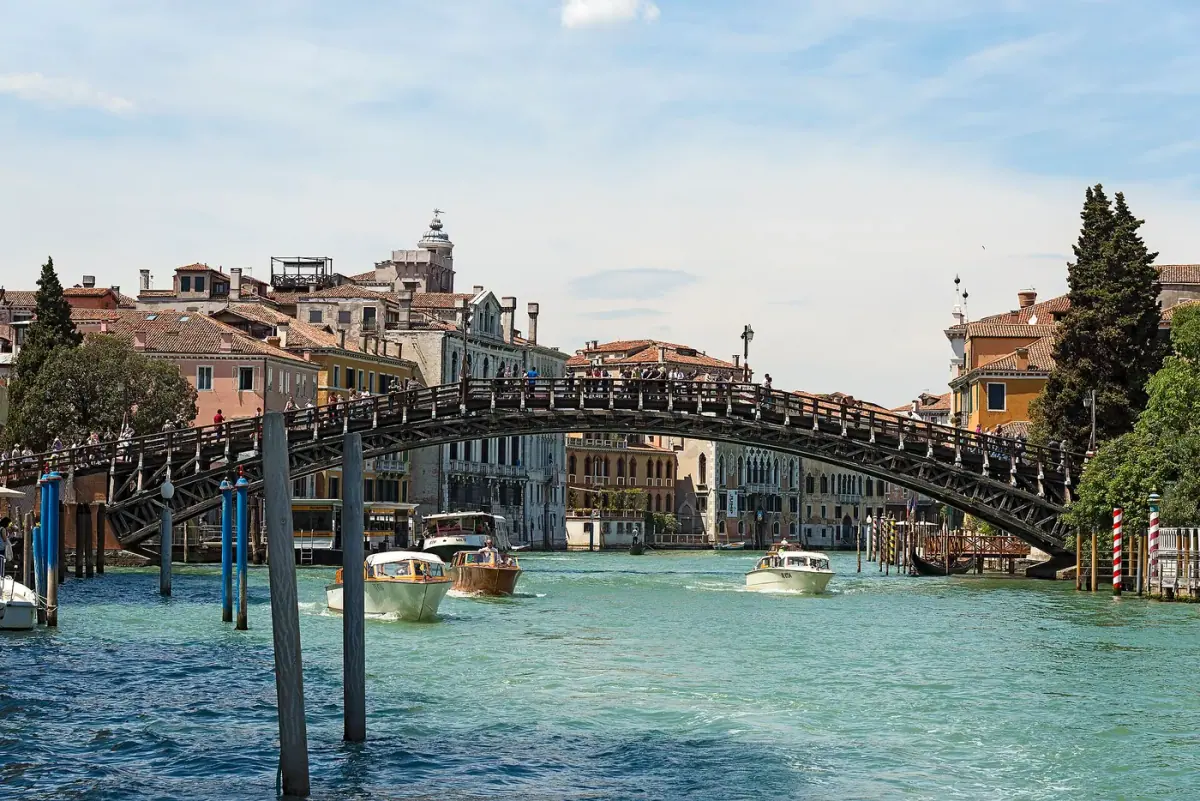

As well as connecting two banks, Accademia Bridge lets you see the Grand Canal’s buildings together. Here you look along the canal and its rows of buildings, rather than at a single façade. Using the crossing to group stops by bank reduces unnecessary backtracking.
Allow for the steps when using a stroller. If it is crowded, take a brief look from a suitable spot rather than stopping for a long photo session on the bridge. Salute and Peggy Guggenheim are on the Dorsoduro bank. Information source.
Why go? The view from this wooden bridge over the Grand Canal towards Santa Maria della Salute’s dome is one of Venice’s most photographed scenes. Standing on the bridge at sunset is a particular pleasure.
Visit summary
- Area: Dorsoduro and the art museums
- Highlight: Grand Canal views
- Suggested visit length: About 15–20 minutes
- Type of visit: Outdoors / bridge crossing
- Admission: Free (outdoors)
- Nearby stops: Peggy Guggenheim Collection, Ca’ Rezzonico
- Open map: Search for this place on Google Maps
San Pantalon Church
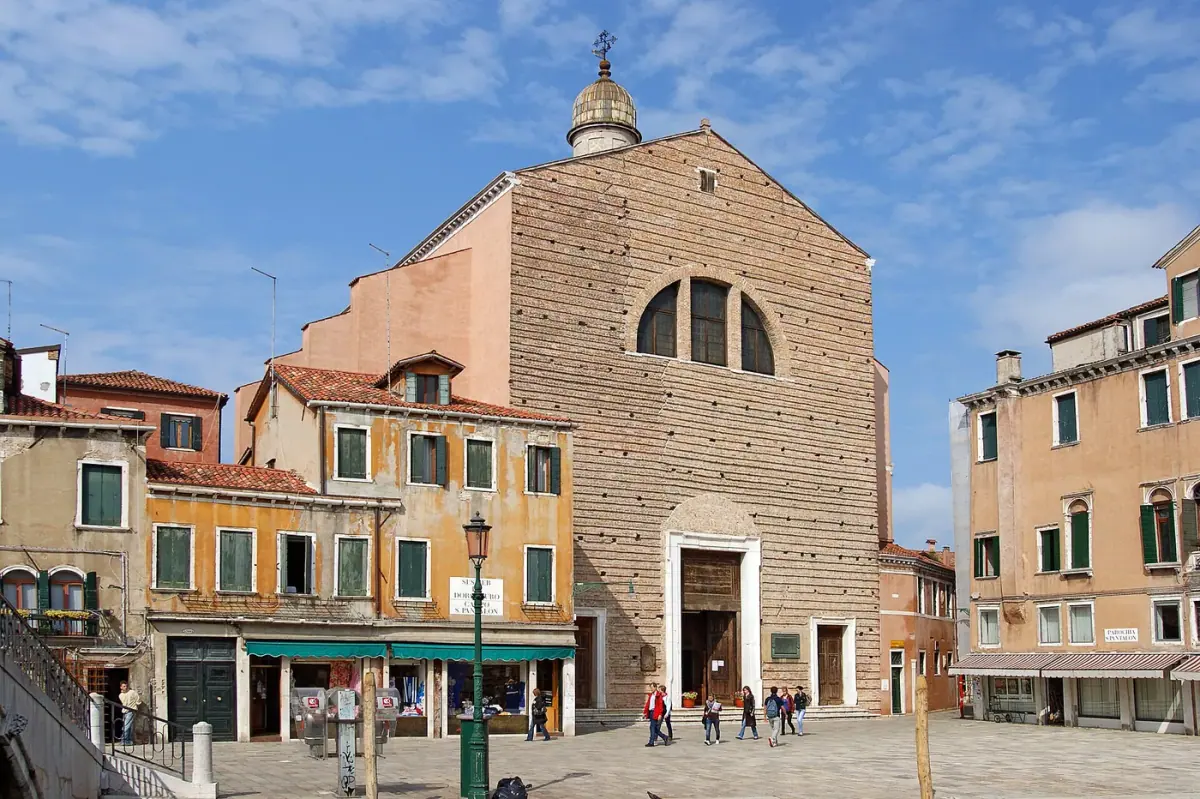

At San Pantalon, the focus is above you: Fumiani’s huge ceiling painting. Looking at its scenes and perspective rather than only towards the altar creates a different church experience. Instead of trying to grasp the whole surface at once, follow the groups of figures and architectural illusion.
A good choice for a short, focused art stop with children. Confirm opening times and worship arrangements through the church’s own channels; balance the visit with an outdoor walk around Campo Santa Margherita. Information source.
Why go? The plain-looking church has a ceiling covered by one of the world’s largest canvas paintings. The artist is said to have fallen from the scaffolding and died while completing it; looking up, the story is easy to believe.
Visit summary
- Area: Dorsoduro and the art museums
- Highlight: Fumiani’s huge ceiling painting
- Suggested visit length: About 20–30 minutes
- Type of visit: Indoors
- Admission: Free
- Nearby stops: Campo Santa Margherita, Ca’ Rezzonico
- Open map: Search for this place on Google Maps
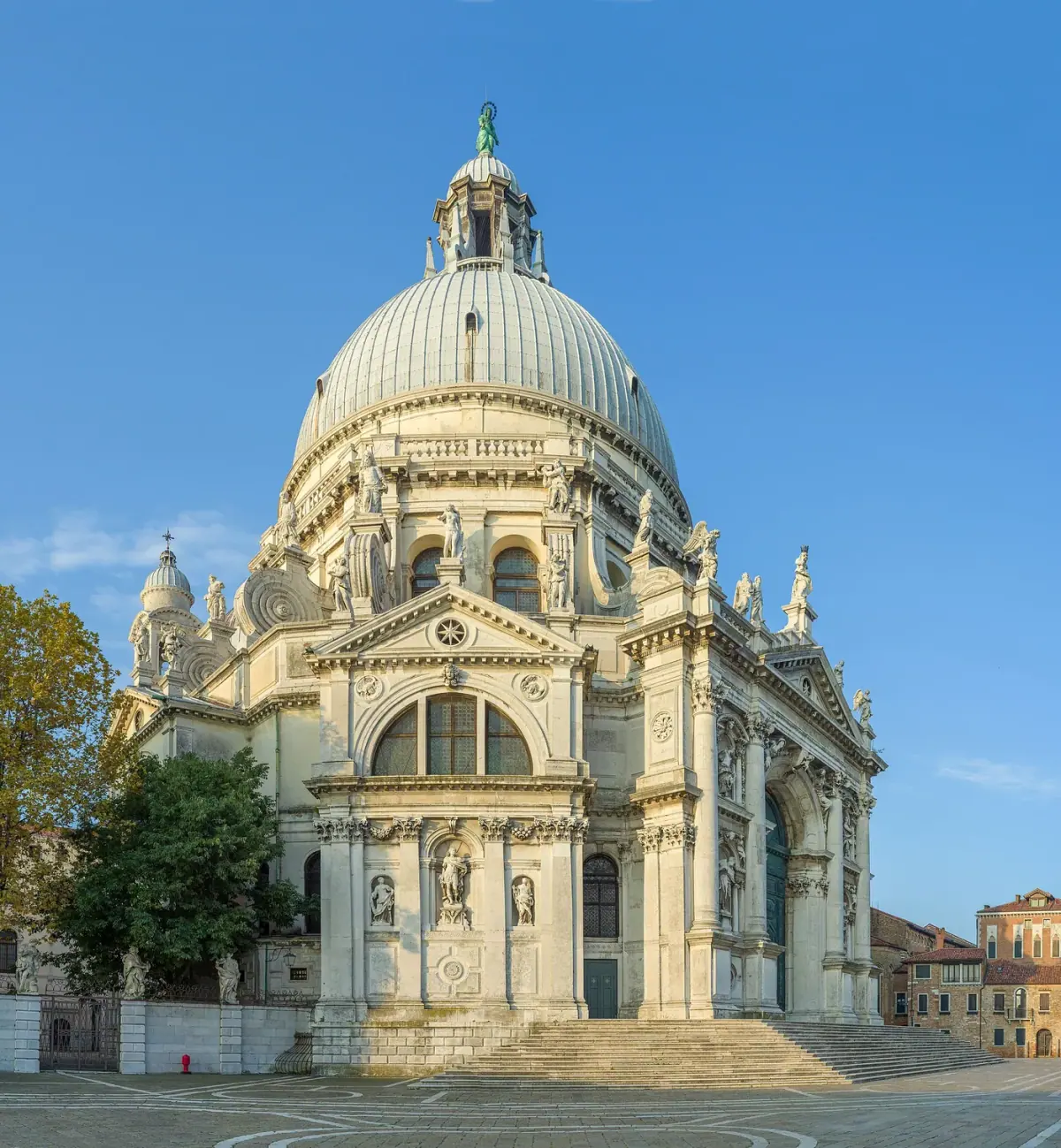
Basilica of Santa Maria della Salute
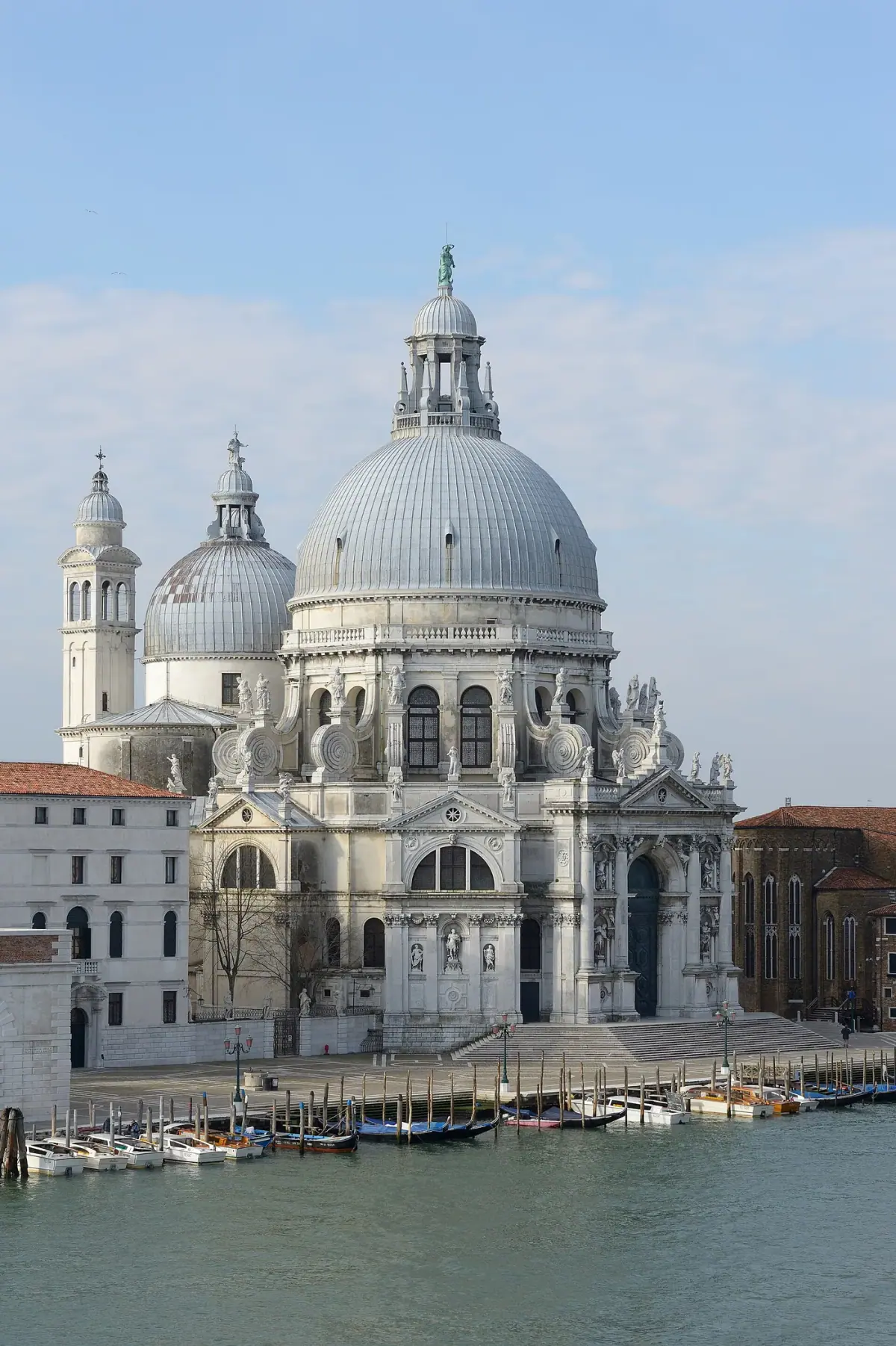

The map marker labelled Santa Maria Basilica has been identified by location as Salute. Its dome and waterside setting make it part of the skyline, as well as a church to visit inside. First take in the whole building from outside, then look at the interior if open.
Include it in the Accademia and Peggy Guggenheim route. With children, the surroundings and a short look inside may be enough, rather than a lengthy church visit. Check current conditions for special sections and tourist access. Information source.
Why go? Venetians dedicated this church as a vow for the end of the plague; its white dome welcomes the city at the entrance to the Grand Canal. A festival with a temporary bridge each November still keeps that vow alive.
Visit summary
- Area: Dorsoduro and the art museums
- Highlight: Domed architecture at the canal entrance
- Suggested visit length: About 30–45 minutes
- Type of visit: Indoors / exterior visit
- Admission: Basilica free; small charge for the sacristy.
- Nearby stops: Peggy Guggenheim Collection, Accademia Bridge
- Open map: Search for this place on Google Maps
Ca’ Rezzonico
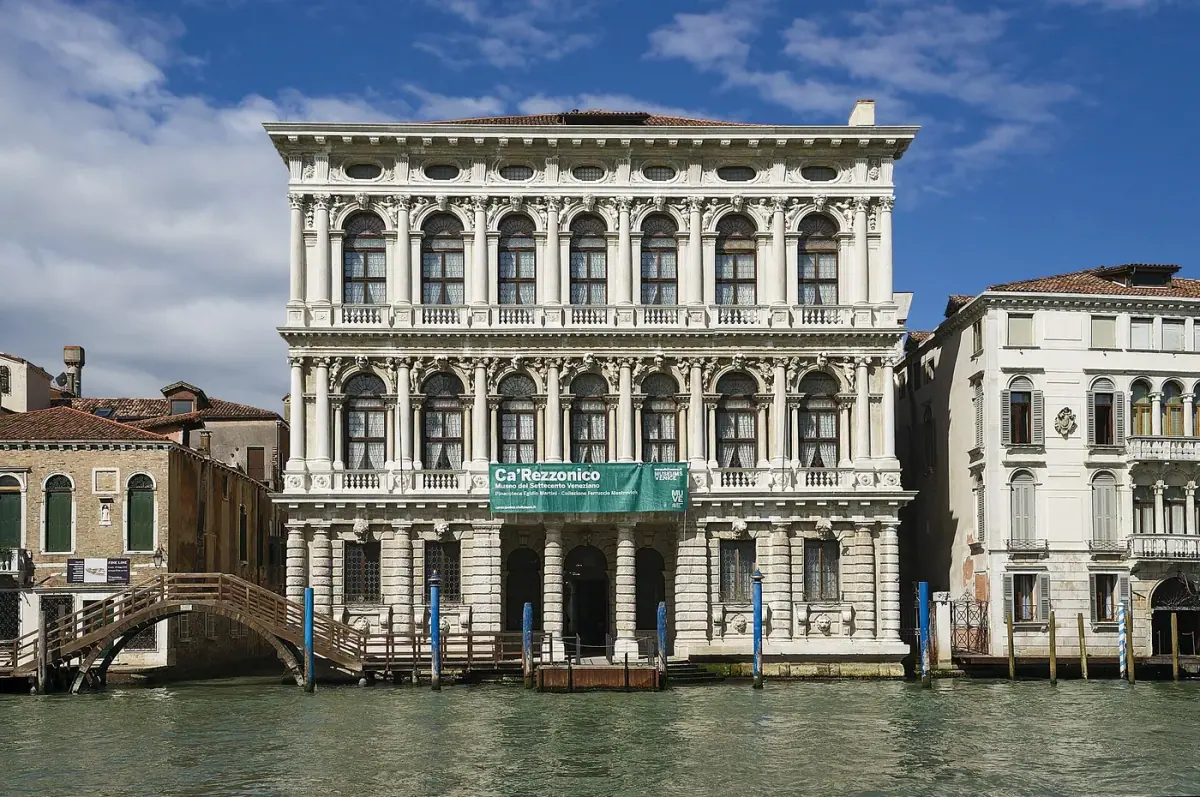

Ca’ Rezzonico offers a museum experience focused on 18th-century Venice inside a palace. Consider the scale and decoration of the rooms alongside the artworks; the interior itself is part of the story. Art offers a way to explore the city’s everyday and ceremonial life.
Choosing it as your family’s main art museum for the day may be enough. Do not expect the same kind of collection as Peggy Guggenheim; choose between a classical palace setting and modern art. Add an outdoor break at Campo Santa Margherita afterwards. Information source.
Why go? A museum revealing all the splendour of 18th-century Venetian palace life, with Tiepolo’s ceiling frescoes and period furniture. Its balconies overlooking the Grand Canal let you gaze at the city like a noble.
Visit summary
- Area: Dorsoduro and the art museums
- Highlight: Life in 18th-century Venice
- Suggested visit length: About 90–120 minutes
- Type of visit: Indoors
- Admission: Paid admission · adults approximately 15 €.
- Nearby stops: Accademia Bridge, Campo Santa Margherita
- Open map: Search for this place on Google Maps
Peggy Guggenheim Collection
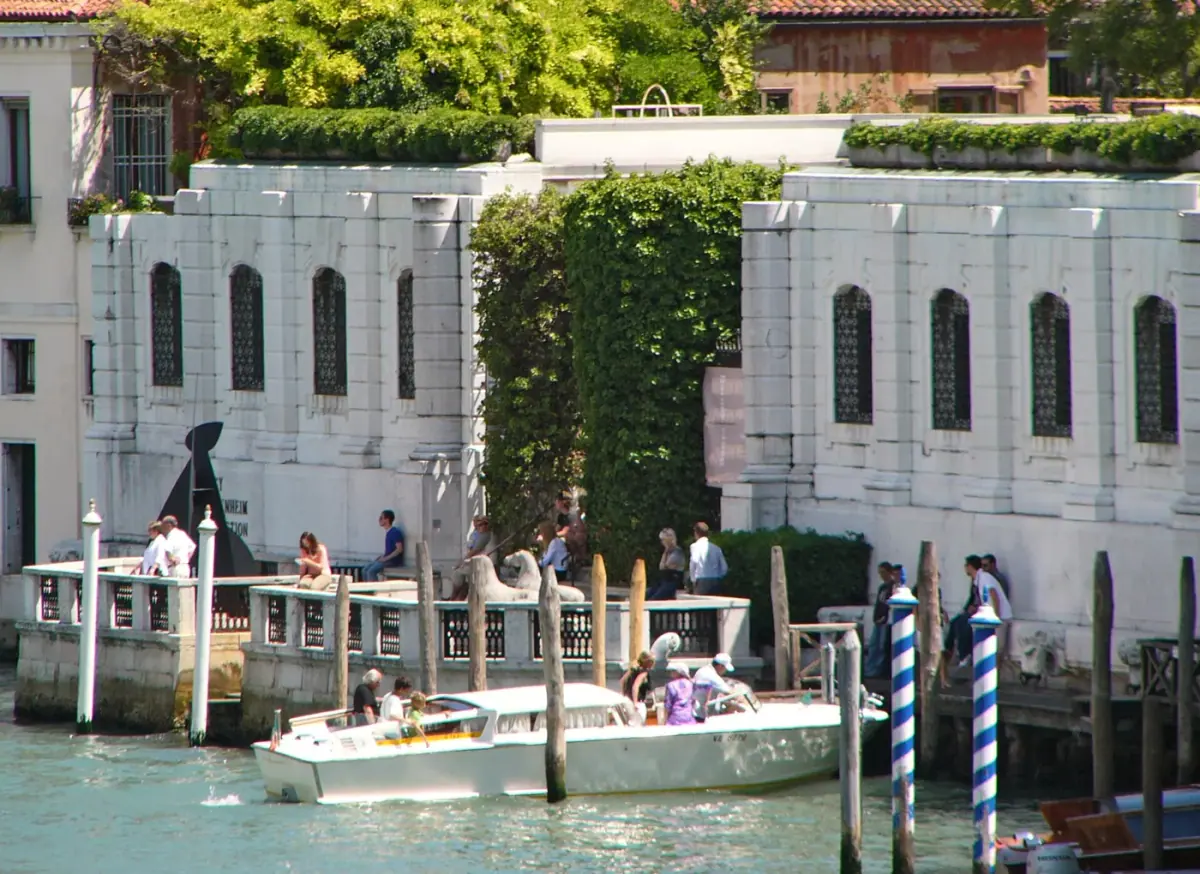

The Peggy Guggenheim Collection adds a modern-art dimension to a Venice trip dominated by palaces and churches. Abstract forms and different materials lend themselves to conversations with children beginning with “What does it look like?” You can explore relationships between shapes and colours rather than worrying about identifying every work correctly.
Choose it as the main museum in this area for your family. Prioritise this or Ca’ Rezzonico according to your interests rather than making two full visits on the same day. Check the official website for ticket coverage of outdoor areas and special exhibitions. Information source.
Why go? Works by Picasso, Pollock, Dalí and Kandinsky in the collector’s canalside home. With its garden and Grand Canal terrace, this unique museum combines modern art with Venice’s atmosphere.
Visit summary
- Area: Dorsoduro and the art museums
- Highlight: Modern art and a collector’s world
- Suggested visit length: About 90–120 minutes
- Type of visit: Indoors / outdoor areas
- Admission: Paid admission · adults approximately 18 €. Children free.
- Nearby stops: Accademia Bridge, Basilica of Santa Maria della Salute
- Open map: Search for this place on Google Maps
San Polo and Rialto
Frari Basilica
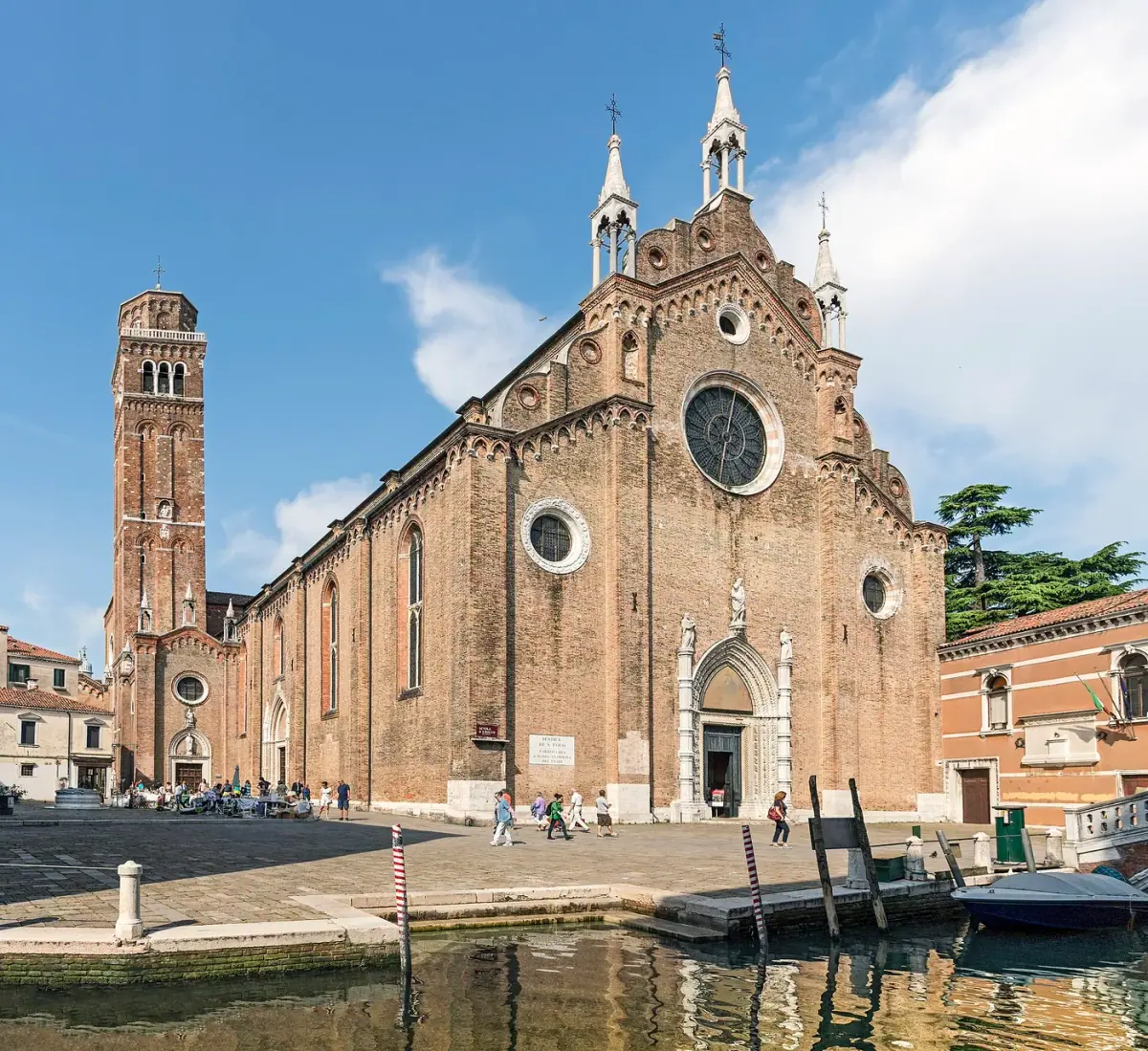

Frari offers the chance to see art in its original setting within a spacious Venetian church. Here it is more meaningful to consider paintings within the architecture and worship setting than as separate objects on museum walls. Choose a few works and architectural details to focus on.
If this will be a long family art visit, shorten your walk through San Polo. It forms a natural branch between Dorsoduro and Rialto, but do not estimate walking times in straight lines because of the canals. Information source.
Why go? Titian’s Assumption of the Virgin, full of brilliant reds, dazzles above the church’s altar. Titian himself is buried here too; this could be called the heart of Venetian painting.
Visit summary
- Area: San Polo and Rialto
- Highlight: Spacious church interior and Venetian art
- Suggested visit length: About 60–90 minutes
- Type of visit: Indoors
- Admission: Paid admission.
- Nearby stops: Rialto Market (Mercato di Rialto), San Giacomo di Rialto
- Open map: Search for this place on Google Maps
Rialto Bridge
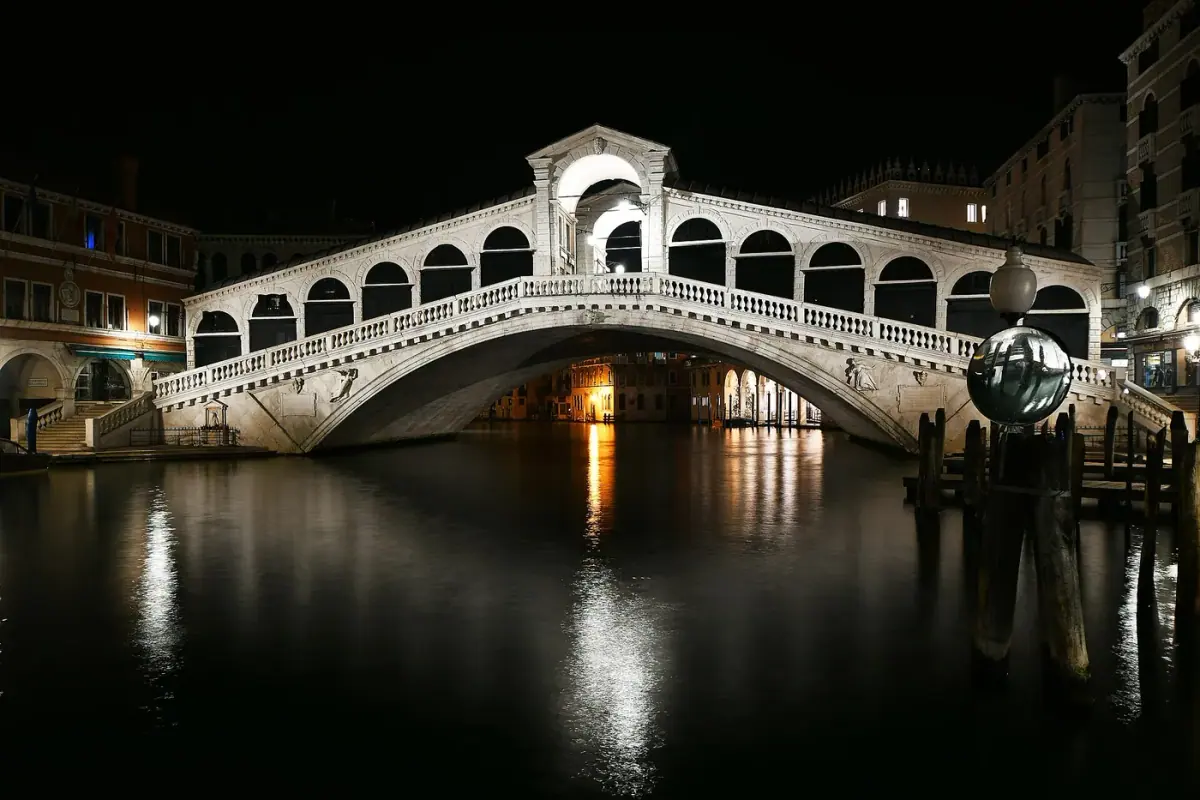

Rialto connects the banks of the Grand Canal and offers different angles on its rows of buildings. Look at the bridge’s shape from the waterfront as well as the view from its top. The crossing is a tangible example of how waterways shape Venice’s urban fabric.
If it is crowded, pause briefly in a suitable gap with children rather than waiting in one spot for a long time. Combine the market and San Giacomo markers on the same bank; shopping is not a requirement. Information source.
Why go? The Grand Canal’s oldest and most famous bridge has stood on its stone arch for more than four hundred years. Watching gondolas and vaporetti glide along the canal from the top is one of Venice’s liveliest views.
Visit summary
- Area: San Polo and Rialto
- Highlight: Historic crossing over the Grand Canal
- Suggested visit length: About 20–30 minutes
- Type of visit: Outdoors / bridge crossing
- Admission: Free (outdoors)
- Nearby stops: San Giacomo di Rialto, Rialto Market (Mercato di Rialto)
- Open map: Search for this place on Google Maps
Rialto Market (Mercato di Rialto)
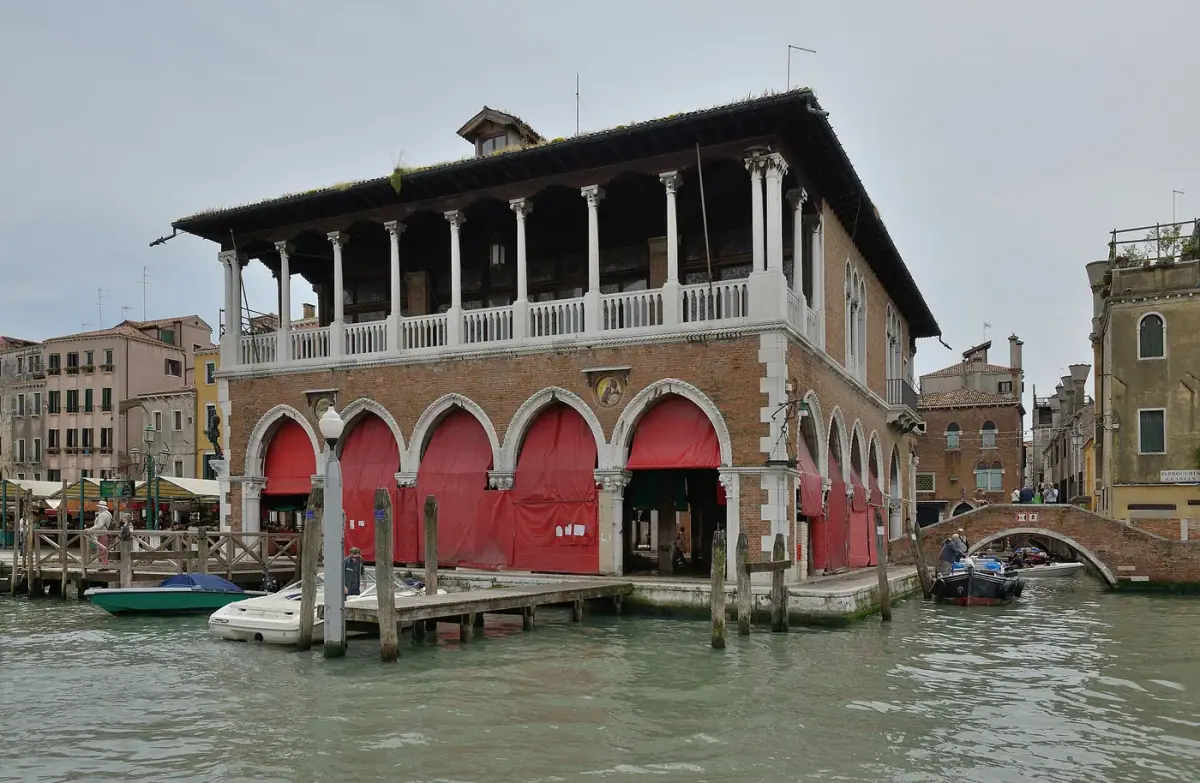

Rialto Market is a stop for seeing how everyday trade relates to waterways and public space. It looks different when the stalls are working and when they are not set up; do not expect the same bustle at every hour. We are not recommending specific traders or food here.
Combine it with Rialto Bridge and San Giacomo for a short walk in the same area. As a family, keep moving without blocking the working market’s passageways; shopping is optional. Information source.
Why go? At a market that has fed the city for a thousand years, fish from the lagoon and vegetables from the islands are sold each morning. Watching local Venetians shop is a reminder that this is a living city.
Visit summary
- Area: San Polo and Rialto
- Highlight: Trade within the urban fabric
- Suggested visit length: About 20–30 minutes
- Type of visit: Outdoors / market area
- Admission: Free (outdoors)
- Nearby stops: San Giacomo di Rialto, Rialto Bridge
- Open map: Search for this place on Google Maps
San Giacomo di Rialto
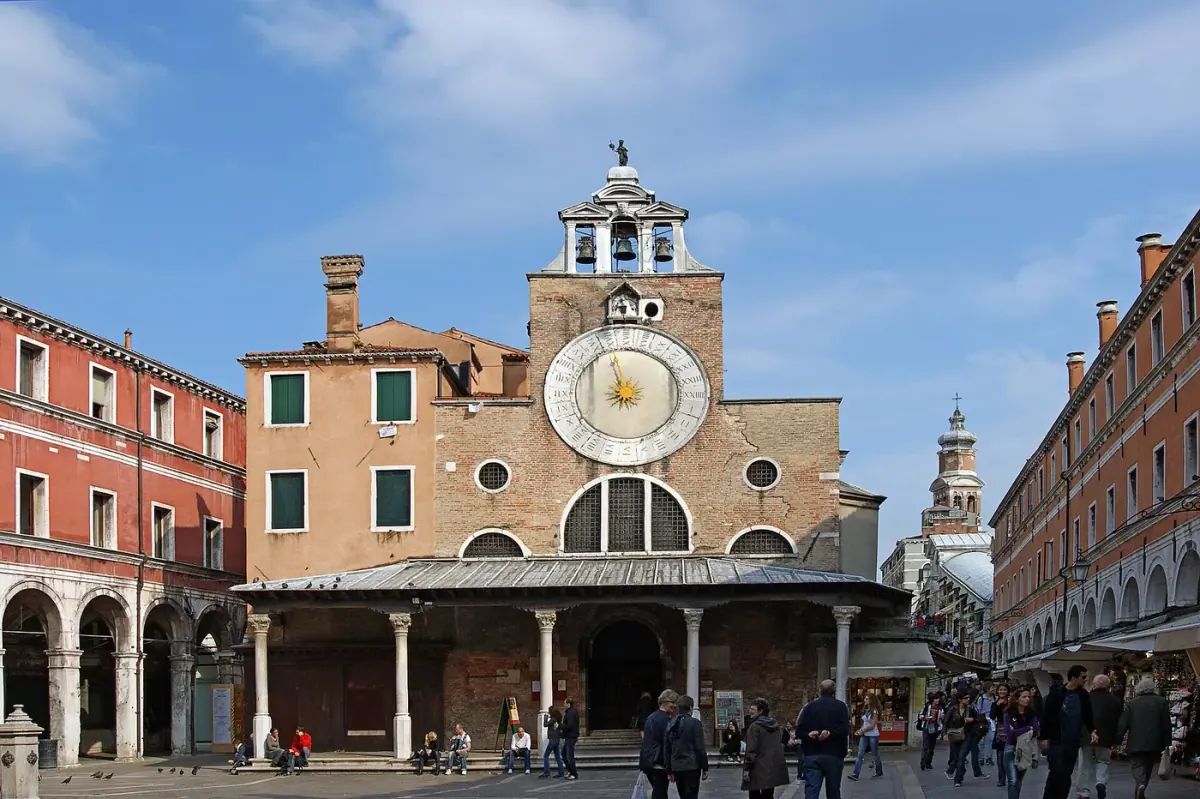

San Giacomo shows church life and everyday life side by side in Rialto’s trading area. Looking at the building in relation to the market and square is more revealing than treating it as an isolated monument. Make a short stop to examine the clock and façade.
If open, enter according to the arrangements for worship and visitors. There is no need for a separate distant route after Rialto Bridge; think of it as a short stop that rounds off the area with children. Information source.
Why go? Said to be Venice’s oldest church, this building with its huge clock and charming façade stands in the heart of the market. A church for market traders for a thousand years, it symbolises the city’s commercial heart.
Visit summary
- Area: San Polo and Rialto
- Highlight: Church in the market area
- Suggested visit length: About 15–30 minutes
- Type of visit: Exterior visit / indoors
- Admission: Free
- Nearby stops: Rialto Bridge, Rialto Market (Mercato di Rialto)
- Open map: Search for this place on Google Maps
Cannaregio
Venetian Ghetto (Ghetto Ebraico)
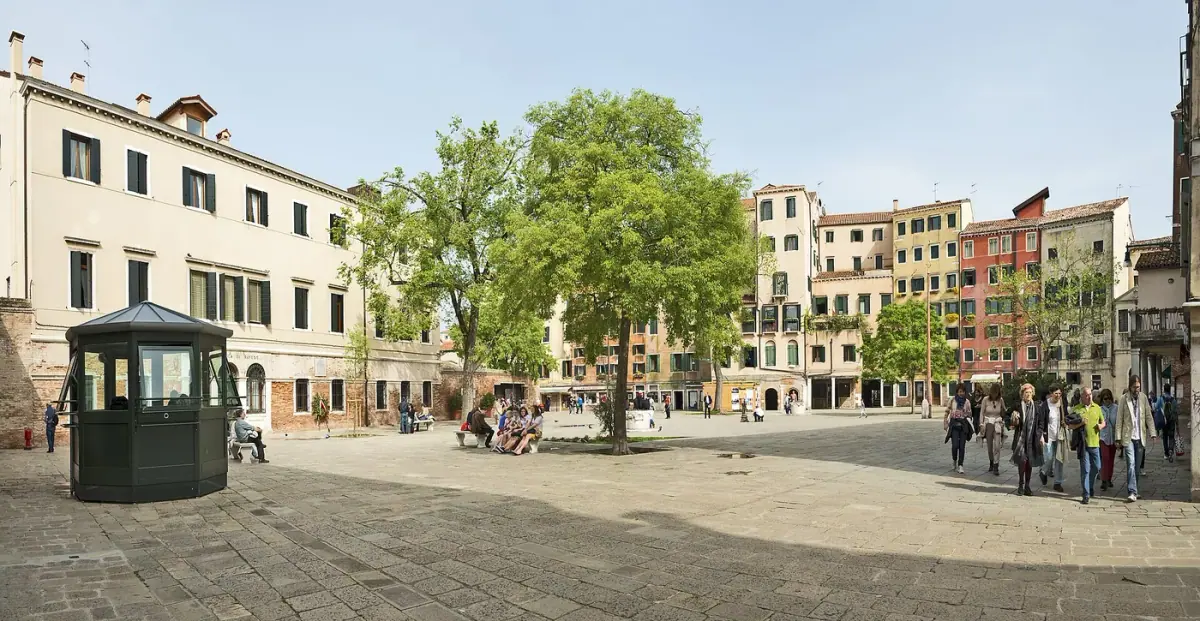

Visit the Ghetto to understand the history of Venice’s Jewish community, as well as to see its distinctive façades. Considering the squares and tall buildings in their historical context makes this more than an ordinary photo route. Walk respectfully through this living neighbourhood and its places of worship.
If planning a synagogue or museum visit, check current access and security arrangements. With children, a few age-appropriate ideas are enough to explain the subject. Allow a separate stretch of time for Cannaregio away from the centre. Information source.
Why go? In the neighbourhood where the word “ghetto” originated, lack of space led to the city’s tallest buildings. Its historic synagogues and quiet square reveal a profound and moving chapter in Venice’s history.
Visit summary
- Area: Cannaregio
- Highlight: History of the city’s Jewish community
- Suggested visit length: About 45–75 minutes
- Type of visit: Neighbourhood walk / selected interior visit
- Admission: Neighbourhood free; Jewish Museum and synagogue tours require tickets.
- Nearby stops: Former Teatro Italia Building (Despar), Ca’ d’Oro
- Open map: Search for this place on Google Maps
Former Teatro Italia Building (Despar)
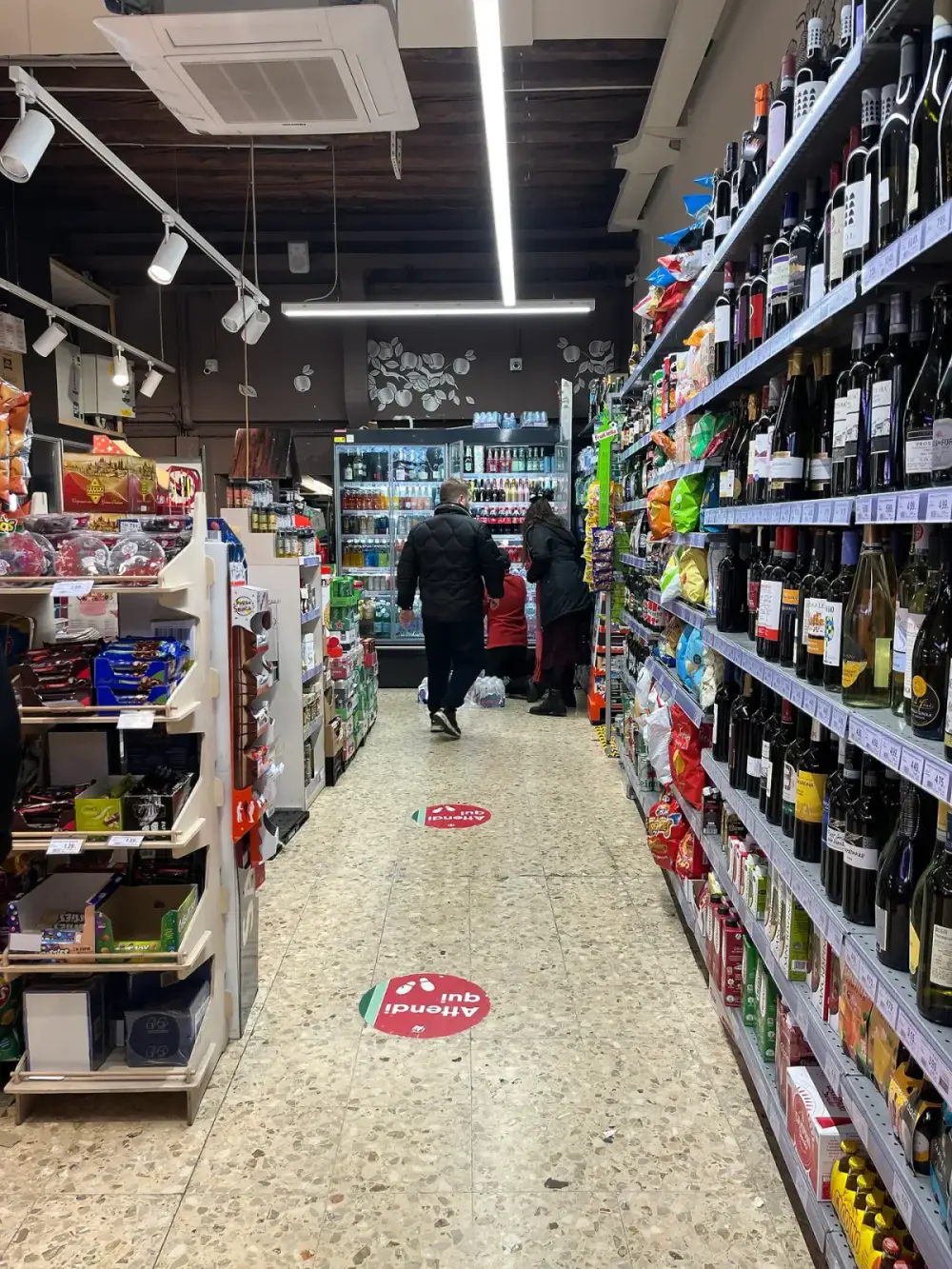

Although Despar Teatro Italia is a supermarket on the map, it remains an architectural stop because it reuses a historic theatre. The focus is on how the old hall works with its present function, rather than on products. Remember that this is a business and look only in open, accessible areas.
It offers a brief architectural visit different from a long museum programme with children. Do not assume unrestricted access to every corner. Add it to the Cannaregio and Ghetto route according to its location. Information source.
Why go? A Neo-Gothic theatre is now a supermarket; look up from the shelves and you see a frescoed ceiling. One of the most surprising examples of how Venice gives historic buildings a second life.
Visit summary
- Area: Cannaregio
- Highlight: Theatre converted to everyday use
- Suggested visit length: About 15–25 minutes
- Type of visit: Inside a business / exterior visit
- Admission: Free (now a supermarket).
- Nearby stops: Venetian Ghetto (Ghetto Ebraico), Ca’ d’Oro
- Open map: Search for this place on Google Maps
Ca’ d’Oro
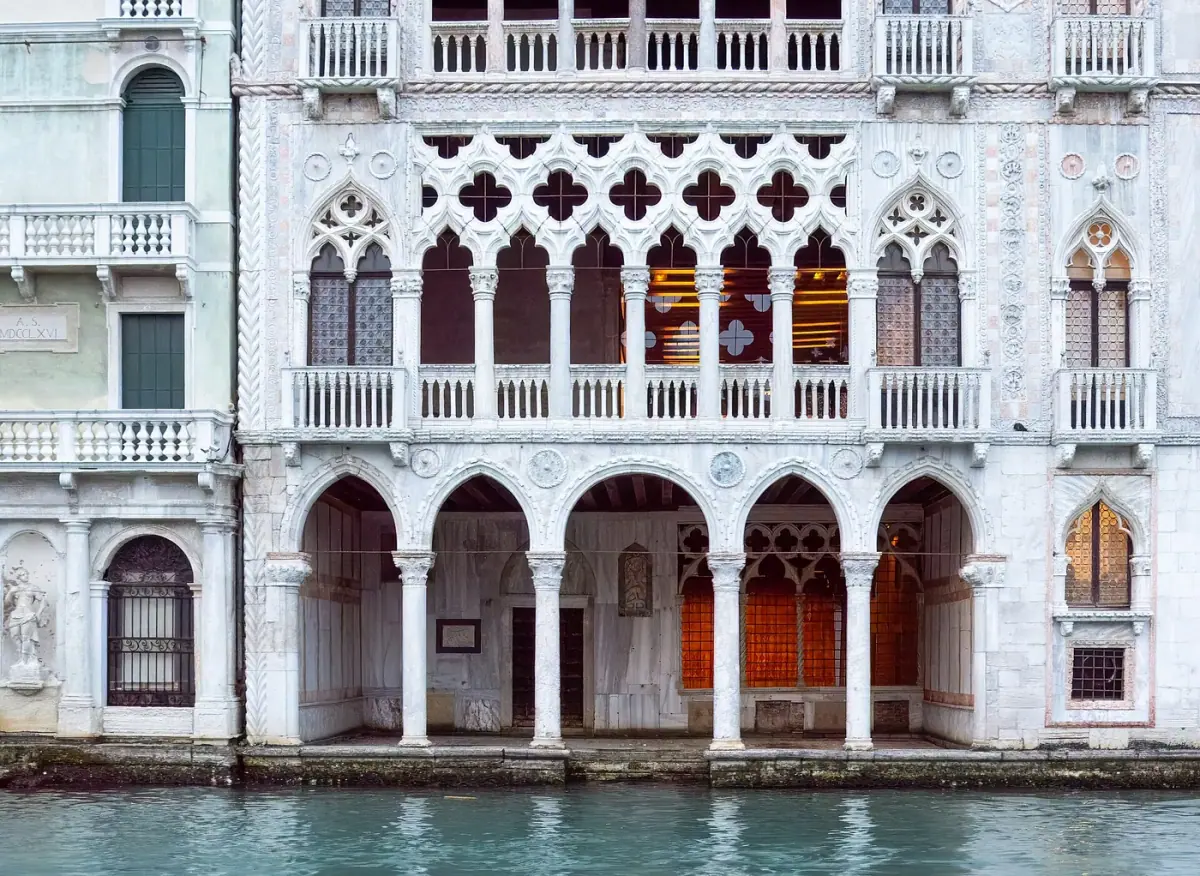

Ca’ d’Oro is an important landmark for understanding palace façades along the Grand Canal. Instead of interpreting its name only through its present colour, look at the arrangement of openings and stonework. Check separately which museum areas are currently open and how restoration affects access.
On a short family visit, seeing it from outside may be enough; if art is a strong interest, make the museum a main stop. Add it to Cannaregio, but do not plan as though you can walk straight across from the opposite bank of the canal. Information source.
Why go? Called the “Golden House” because its façade was once covered in gold leaf, this palace is the Grand Canal’s most elegant Gothic building. Its museum and loggia opening onto the water let you view Venice like a palace resident.
Visit summary
- Area: Cannaregio
- Highlight: Palace façade on the Grand Canal
- Suggested visit length: About 20 minutes outside; 60–90 minutes including the interior
- Type of visit: Exterior visit / museum
- Admission: Paid admission.
- Nearby stops: Former Teatro Italia Building (Despar), Venetian Ghetto (Ghetto Ebraico)
- Open map: Search for this place on Google Maps
Food and drink stops
This map has no restaurant, café or bar layer, so we have not added a food list that is not yours. Mercato di Rialto appears in the sightseeing section for its historic market setting, while Despar Teatro Italia is a separate architectural stop because of its former theatre building. If you share a map with a food layer, we can expand this section using the same location matching.
Other markers on the map
I have kept these points as part of the list too; distinguishing their functions from the sights makes the plan clearer.
- Libreria Acqua Alta: Libreria Acqua Alta is a bookshop, kept separate as a retail business. Book displays may change; check access with the business. Open map.
- Ca ‘Macana Atelier: Ca’ Macana is a mask workshop/shop, kept on the map as a traditional craft stop rather than a product recommendation. Confirm workshop activities with the business. Open map.
- I Vetri Costantini: I Vetri Costantini is a glass business, with its shop/workshop marker kept separate. No demonstration or event is guaranteed. Open map.
- T Fondaco Rooftop Terrace: Do not plan the Fondaco rooftop as a viewpoint guaranteed to be open. Current access could not be confirmed through official channels, so it is not a compulsory stop on the main route. Open map.
Sources and visitor information
Ticket and access conditions differ for St Mark’s Basilica, Ducale and the Clock Tower. The Clock Tower operates with restricted guided visits; check age requirements on its official page too. Bridge steps can make progress with a stroller difficult. Walking routes aim to reduce bridge crossings; no exact walking times are given. The map’s general “Biblioteca” marker has been matched by location to Marciana in San Marco; “Santa Maria Basilica” is at the Salute location.
The selection of stops comes from our personal My Maps map. Information sources appear in the relevant paragraphs. Individual location links are Google Maps searches using the place name. Nearby-stop pairings are based on map locations; check the actual walking route on the map.
- Personal Venice map
- Venice civic museums
- St Mark’s Basilica
- Peggy Guggenheim Collection
- Venice Municipality tourism platform
Where we stayed
We stayed for 2 nights at Residenza degli Angeli in the Santa Croce district of Venice.
Browse hotel and apartment options for Venice on Booking.com. When staying with children, we recommend looking for somewhere within walking distance of the centre, with a lift and family rooms.
Our travel map
Our personal map is the source of the stops in this guide. Toggle the layers to view the sights and any food and drink markers separately.